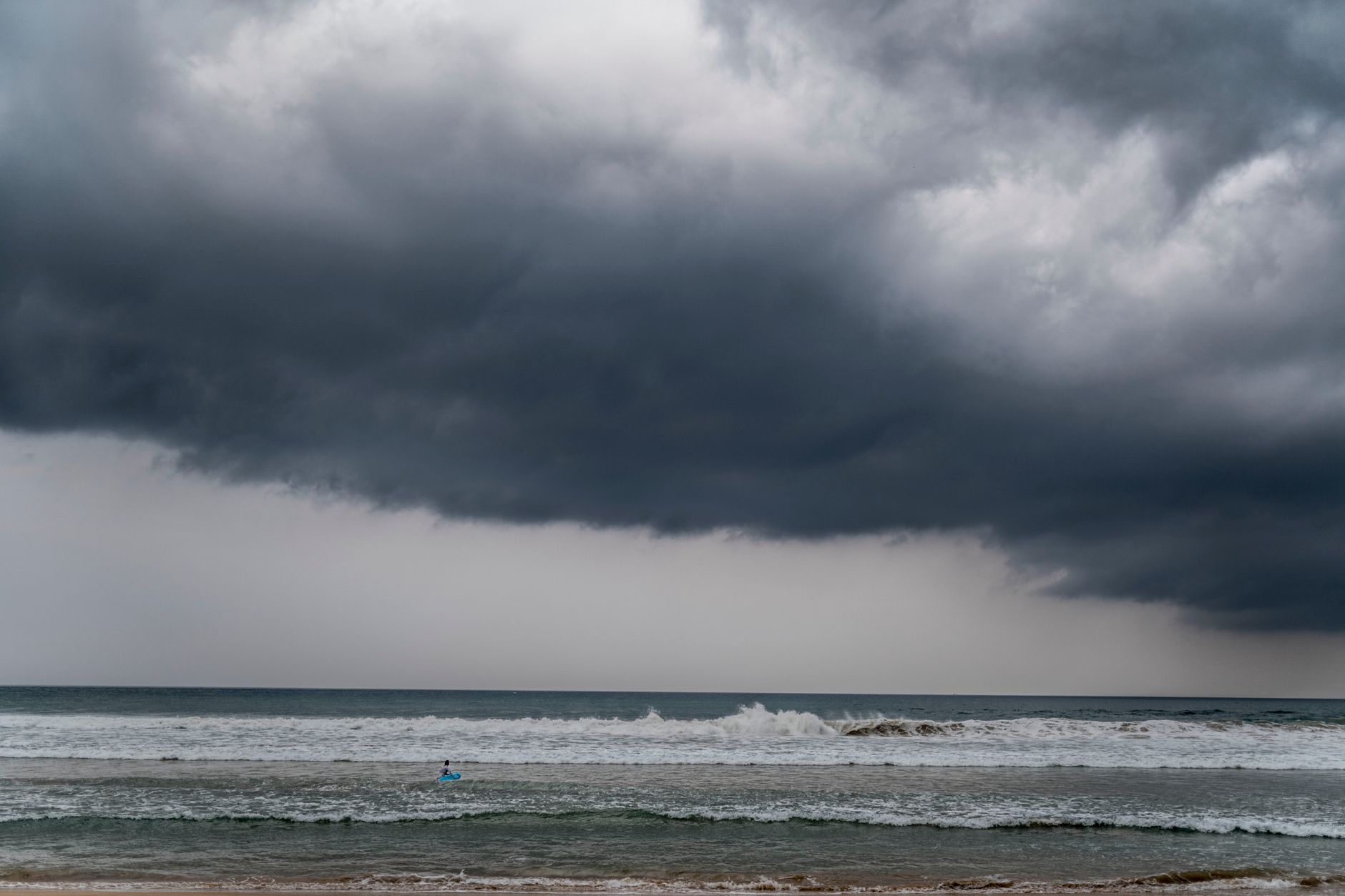
Ahangama is a working fishing village 10 km east of Mirissa, defined by its stilt fishermen, rolling swells, and genuine village character rather than holiday resort infrastructure. The beach faces open ocean with no reef protection—currents run strong, rip tides are real, and the surf is rarely calm. It appeals most to photographers, surfers, and travellers seeking unvarnished coastal life rather than traditional beach relaxation.
What makes Ahangama different from Mirissa?
Mirissa, 10 km west, is purpose-built tourism. Ahangama is a functioning village where fishing remains the primary livelihood. You'll see stilt fishermen working the shallows at dawn and dusk (October–April peak season). The beach lacks sun loungers, beach umbrellas, and the commercial polish of Mirissa's water sports operators. Accommodation is modest guesthouses rather than hotels. That authenticity attracts certain travellers; others find it less convenient.
When is the water actually swimmable?
November through March is the dry season on Sri Lanka's south coast. Waves are larger (1–2 metres regularly, 3+ metres possible), but the water is clearer and safer than during monsoon months. June to September brings the Southwest Monsoon: massive swells (3–4 metres+), chaotic currents, and genuinely dangerous conditions for non-experts.
Related: Jaffna with Family: What Works and What to Skip
Related: Is Marawila Worth Visiting? An Honest Take
Related: Focus Cabanas Arugambe Bay: Location, Rates & What to Expect
Even in the dry season, Ahangama is not a calm beach. It's suited to experienced swimmers, confident in strong currents and uneven seabed. Beginners or weak swimmers should stick to shorter, sheltered paddles close to shore—or consider Unawatuna, Mirissa's lagoon area, or the east coast instead.
Stilt fishing: What to expect and when
Stilt fishermen (locally called oruwa) sit on wooden structures fixed in the shallow reef, casting lines into the channels below. Peak activity is October–April (dry season); you'll see most activity at dawn (5:30–6:30 a.m.) and late afternoon (4:00–5:30 p.m.). They fish during slack tide and avoid rough swells, so timing varies daily.
If you're interested in photographing them, arrive early and observe from the beach—don't wade into their workspace. Many fishermen are accustomed to tourists and don't object to distant photography, but respect is mutual. Some guesthouses can arrange informal meetings or brief conversations if you ask the owner; a small donation or purchasing fish directly supports the community.
Visiting Ahangama: practical basics
Access: Ahangama is on the main A2 coastal road between Mirissa and Unawatuna. From Mirissa, it's a 15-minute tuk-tuk ride (roughly LKR 300–500 for two). From Galle, 25 km east, allow 40 minutes by tuk-tuk or minibus. There is no formal bus terminus, but south coast intercity buses stop near the main junction—ask the driver.
Where to stay: Accommodation is guesthouses and small homestays, not hotels. Expect basic but clean rooms, shared or private bathrooms, and Sri Lankan-cooked dinners if you ask. Rates range LKR 2,000–4,500 per night. Book ahead during peak season (December–February) or accept walk-in availability.
Eating and drinking: A few small cafés and beachfront shacks serve rice and curry, short eats (kottu, rolls), fresh fruit, and drinks. Evening meal is typically at your guesthouse. One or two small shops stock basic supplies and drinks. This is not a choice restaurant area; come with modest expectations and appreciation for simple food.
Facilities: No formal beach amenities. No lifeguards, no water sports hire, no sun loungers. A small medical clinic is in the village centre; serious injury would require transport to Galle Hospital (30 km). There is mobile phone coverage (Dialog, Airtel, Mobitel) and occasional Wi-Fi at guesthouses.
Surfing at Ahangama
Ahangama's reef break and consistent swells (especially July–September) attract experienced surfers. Conditions suit intermediate to advanced riders; beginners should learn elsewhere. The break works best on incoming tide with moderate swell (1.5–2.5 metres). Boards and lessons are not available locally—bring your own or hire from Mirissa (20-minute ride) and travel there daily.
Localise respect: the beach is a working space for fishermen. Coordinate with guesthouse owners about access and timing, and don't paddle during peak fishing hours (dawn and dusk).
Photography and landscape appeal
The stilt fishermen, golden light at sunrise, and weathered village character make Ahangama photogenic. Best light is 6:00–7:00 a.m. (sunrise, fishing activity) and 4:30–5:30 p.m. (evening, returning boats). Rough seas and dark rock formations create dramatic composition. If you're here for visual content, stay 2–3 nights to capture multiple dawn and dusk sessions.
What to do beyond the beach
Mirissa (10 km west): Calm lagoon, water sports, whale-watching boat tours (seasonal: November–April). A 45-minute walk connects the two along the coast, or tuk-tuk 15 minutes.
Unawatuna (8 km east): Sheltered bay, snorkelling reef, old Dutch fort, restaurants and shops. Quieter than Mirissa but more developed than Ahangama.
Galle (25 km east): Historic fort, museums, old town walks, proper supermarkets and restaurants. Day trip by tuk-tuk (50 minutes) or train.
Hiking: Local footpaths link villages inland. Ask your guesthouse owner for safe routes and current conditions; brigandage is rare but petty theft from unattended hikers occurs.
A realistic summary
Ahangama suits photographers, surfers, and travellers drawn to authentic coastal life. It's not a leisurely swim destination—currents are strong, visibility variable, and lifeguard cover absent. Comfort and dining choices are modest. But if you value genuine community interaction, visual richness, and a break from tourism infrastructure, Ahangama delivers. Spend 2–4 nights; longer stays risk boredom without organised activities. Best timing: November–February for dry weather and calm-enough seas.
FAQs
Is Ahangama safe for swimming? Only for experienced swimmers confident in strong currents and uneven seabed. The beach has no lifeguard. Novices should use Mirissa's lagoon or Unawatuna instead. Always check local conditions before entering the water.
Can I visit Ahangama as a day trip from Mirissa? Yes. A 45-minute coastal walk or 15-minute tuk-tuk connects them. You'll have time for breakfast, beach time, and stilt fishing photography, but won't experience the quieter dawn or dusk scenes that make Ahangama distinctive. 2–3 nights is worthwhile.
What's the best time to photograph stilt fishermen? October–April (dry season), dawn (5:30–6:30 a.m.) or late afternoon (4:00–5:30 p.m.). Activity depends on tides and sea conditions; ask your guesthouse host the night before for timing that day. Bring a zoom lens to respect distance and avoid disrupting work.
Do I need a hire car or tuk-tuk? Tuk-tuk is adequate. The village is small and walkable. For trips to Mirissa, Unawatuna, or Galle, tuk-tuk or minibus are standard. Hiring a car adds cost and complexity for a short stay; negotiate tuk-tuk rates in advance.