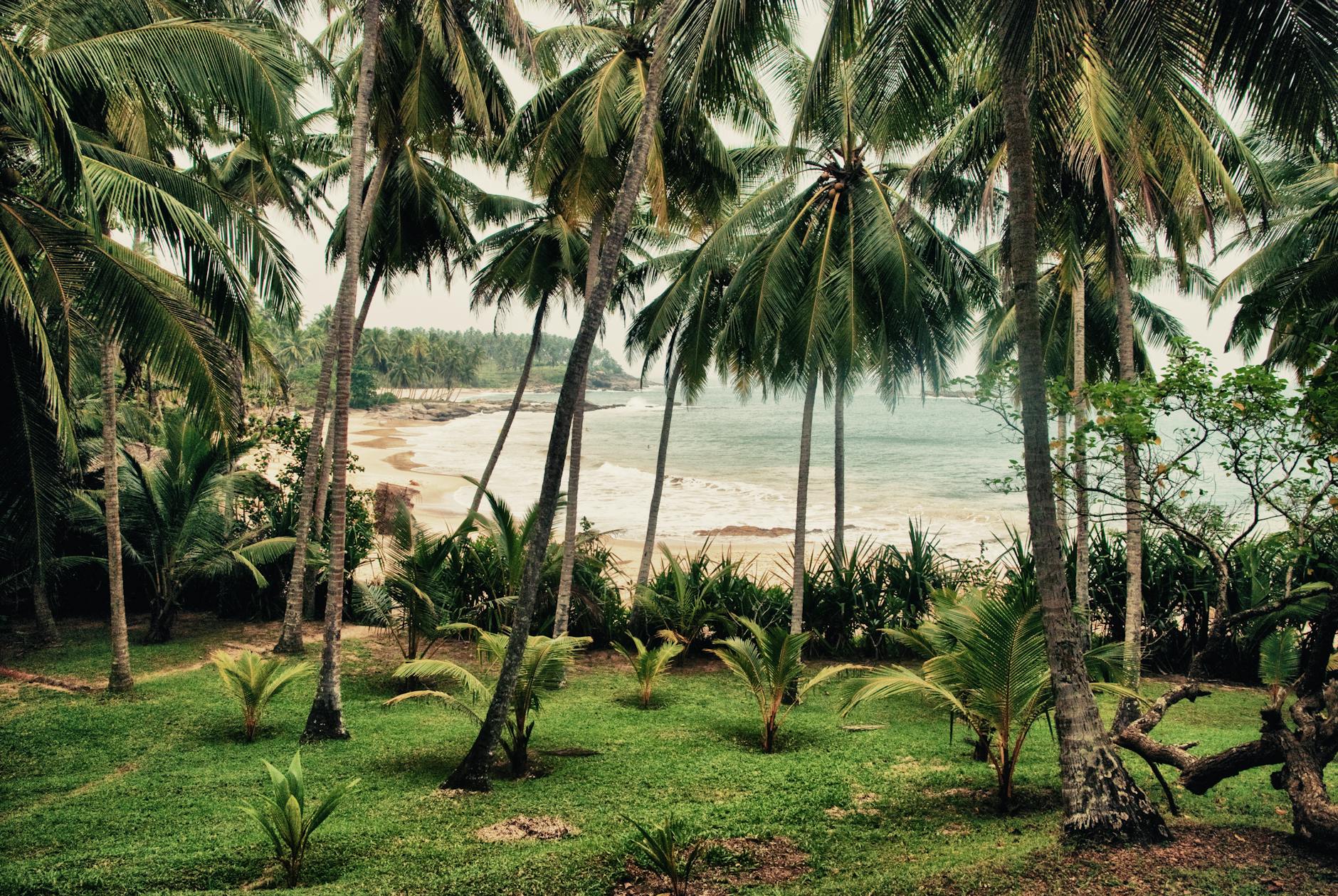
Ayurveda Retreat in Sri Lanka: Find Authentic Treatment & Wellness Centres
Sri Lanka's Ayurveda retreats offer real therapeutic value when you avoid tourist-focused centres and seek practitioners trained in rigorous, traditional methodologies. The best retreats combine proper diagnosis (pulse reading, tongue analysis), matched treatments, skilled technicians, and follow-up protocols. Most retreat packages run 7–21 days, with daily oil treatments, herbal medicines, dietary coaching, and yoga. Expect genuine healing to require commitment, not passive relaxation.
What makes an authentic Ayurveda retreat in Sri Lanka?
Authentic retreats centre on dosha assessment—determining whether your constitution is predominantly vata (air/space), pitta (fire/water), or kapha (earth/water)—and tailoring every aspect to your imbalance. A genuine practitioner will spend 45–60 minutes on your initial consultation, asking detailed questions about digestion, sleep, energy patterns, and emotional tendencies. They'll examine your tongue's coating and colour, palpate your pulse, and possibly review blood work before prescribing treatments.
Treatments diverge sharply from spa relaxation. Abhyanga (full-body oil massage) uses warm, medicated oil applied with specific pressure techniques to penetrate tissue layers and move toxins (ama) toward elimination channels. Shirodhara—oil poured continuously onto the forehead—targets the nervous system and is genuinely intense, often inducing deep relaxation or emotional release. Nasya (nasal oil therapy) clears the sinuses and opens energy channels. Panchakarma, the five-action detoxification protocol, involves induced sweating, purging, or enemas over 7–14 days and demands serious commitment.
Related: Nallur Kandaswamy Kovil: A Complete Guide
See also: Amaya Lake Hotel Dambulla: Location, Facilities & Booking Guide
See also: Nuwara Eliya with Family: What Works and What to Skip
Authentic centres employ Ayurvedic doctors (vaidyas) registered with Sri Lanka's Department of Ayurveda (some hold Indian qualifications from accredited colleges). They source herbs from established suppliers or grow them onsite. Facilities have treatment rooms with proper ventilation, heated oil warming systems, and follow hygiene protocols. Follow-up includes dietary guidance, herbal supplements tailored to your condition, and yoga or meditation adapted to your constitution.
Best regions for Ayurveda retreats
Southern coast (Mirissa, Unawatuna, Tangalle)
The warm, humid climate suits most treatments year-round. Retreats here often occupy converted colonial properties with ocean views, though quality varies widely. The area attracts international clients, meaning staff may speak English fluently. However, tourist density can dilute authenticity. A genuine retreat will still follow strict treatment schedules rather than flexible "whenever you feel like it" approaches.
Central highlands (Kandy, Nuwara Eliya)
Cooler temperatures mean fewer treatments November–February (vata season aggravates in cold). Retreats here tend to be smaller, family-run operations with less English-language support but deeper roots in traditional practice. Kandy, as Sri Lanka's spiritual heart, has serious practitioners, though book ahead—quality centres fill quickly.
East coast (Arugambe, Batticaloa)
Less developed than the south, but growing numbers of retreat operators. Generally quieter, less touristy, and lower-cost. Authenticity varies; visit first or get detailed references.
Types of Ayurveda retreat experience
Detoxification retreats (Panchakarma-focused)
These are intensive, 14–21 day programs designed to deep-cleanse and reset digestion. Expect three daily treatments, strict dietary limitation (usually kitchari—a simple rice and lentil dish—for weeks), and frequent bowel-moving protocols. Not for the squeamish or time-constrained, but effective for chronic inflammation, autoimmune conditions, or major life transitions. Results require strict adherence; deviations undermine the protocol.
Wellness and rejuvenation retreats
Shorter (7–10 days), gentler approach combining diagnostic treatments, daily massage, herbal medicines, and yoga. Suits those with busy schedules or seeking preventive care. Still requires discipline—late nights and alcohol sabotage results.
Condition-specific retreats
Some centres specialise in arthritis, respiratory issues, skin conditions, or stress-related disorders. Practitioners design the treatment menu specifically; outcomes improve with specialisation.
What to expect cost-wise
Authentic retreats cost £80–200 per night all-inclusive (treatment, meals, basic accommodation). Budget options exist but often skimp on treatment quality or practitioner experience. Premium retreats (£200–400/night) may offer better facilities or renowned practitioners, but price doesn't always equal authenticity. Research the practitioner's qualifications and retreat reviews from credible sources (not just resort websites).
How to choose a genuine retreat
Check practitioner credentials. Ask if the vaidya holds a degree from Sri Lanka's Institute of Indigenous Medicine, Colombo, or an accredited Indian college. Legitimate practitioners willingly provide this; evasion is a red flag.
Ask about the diagnostic process. Any centre offering "one treatment for everyone" or fast-tracked diagnoses is cutting corners. Real assessment takes time.
Review the treatment schedule. Authentic protocols follow logical sequences. Panchakarma, for example, begins with preparatory treatments (purvakarma), moves into five main actions, and concludes with rejuvenation (rasayana). Randomised treatments or emphasis on relaxation over therapeutics suggests tourism over medicine.
Request references. Speak with past clients, especially those with specific health conditions, not just "I felt great." Did symptoms improve? Did the practitioner provide follow-up support?
Evaluate onsite facilities. Visit if possible. Are treatment rooms clean, warm, and quiet? Is herbal medicine prepared fresh? Are meals cooked specifically for guests' constitutions, or is buffet standard?
Look for realistic promises. Authentic Ayurveda improves conditions; it doesn't cure everything. Practitioners should be honest about what's treatable and timelines for results.
Best time to visit
The southwest monsoon (May–September) means humidity and lower visibility, but also fewer tourists and cooler temperatures suited to certain conditions. Pitta-dominant or inflammatory conditions often improve during this period.
The northeast monsoon (December–February) is peak season: dry, warm, and crowded. Vata-dominant people find the cooler months (December–January) challenging; retreat staff understand this.
March–April is hot and humid; July–August brings heavy rain to central regions.
For serious Panchakarma, book during shoulder seasons (September–October, March–April) when weather is manageable but facilities less hectic.
Preparing before arrival
Arrive with realistic expectations. Ayurveda addresses chronic conditions gradually, not instantly. Treatments can initially intensify symptoms (part of detoxification) before improvement. Commit to the full retreat duration; truncated programs waste time and money. Inform your retreat of any medications or allergies before arrival. Avoid heavy exercise, alcohol, and stress during your stay—these interfere with treatment efficacy.
See our guide to wellness travel in Sri Lanka for complementary practices and accommodation tips.
FAQ
Is Ayurveda scientifically proven?
Ayurveda's underlying mechanisms (doshas, toxin mobilisation) aren't validated by Western medical standards, but specific treatments show measurable results in peer-reviewed studies: abhyanga reduces cortisol; shirodhara improves sleep quality; dietary protocols resolve digestive issues. It's best viewed as complementary medicine, not a replacement for conventional treatment of serious illness. Always inform your retreat if you're on pharmaceutical medications.
Can I do Ayurveda treatment at home after the retreat?
Yes, but inconsistently. Most retreats provide herbal formulas, dietary guidelines, and self-massage protocols (abhyanga at home is effective). However, professional treatments like shirodhara or panchakarma require trained technicians and controlled environments. Many clients return annually for intensive retreats and supplement with home practices.
Will I lose weight on an Ayurveda retreat?
Panchakarma often produces initial weight loss (mostly water and cleared digestion), but Ayurveda prioritises balance over weight. If your constitution supports weight loss, it may happen; if not, forced caloric restriction contradicts the system's principles. Discuss your goals with the practitioner.
How do I know if a retreat is safe?
Confirm the centre is registered with Sri Lanka's Department of Ayurveda. Check that practitioners hold recognised qualifications. Read independent reviews. If treatments feel wrong (excessive pain, allergic reactions, discomfort), speak up immediately—good practitioners adjust. Avoid centres pressuring you into extended stays or expensive follow-up purchases.