Batticaloa with Family: What Works and What to Skip

Batticaloa works for families wanting quiet beach time and gentle lagoon exploration, not for those seeking resort entertainment or nightlife. The lagoon boat trips suit children aged 5+, the beaches are safe and uncrowded, and locals are welcoming. However, infrastructure is basic, medical facilities are limited, and you'll need patience with slow service and occasional water outages. The east coast's monsoon season (October–January) brings rough seas and heavy rain—avoid it entirely with children.
What Works Well with Children

Batticaloa Lagoon Boat Trips
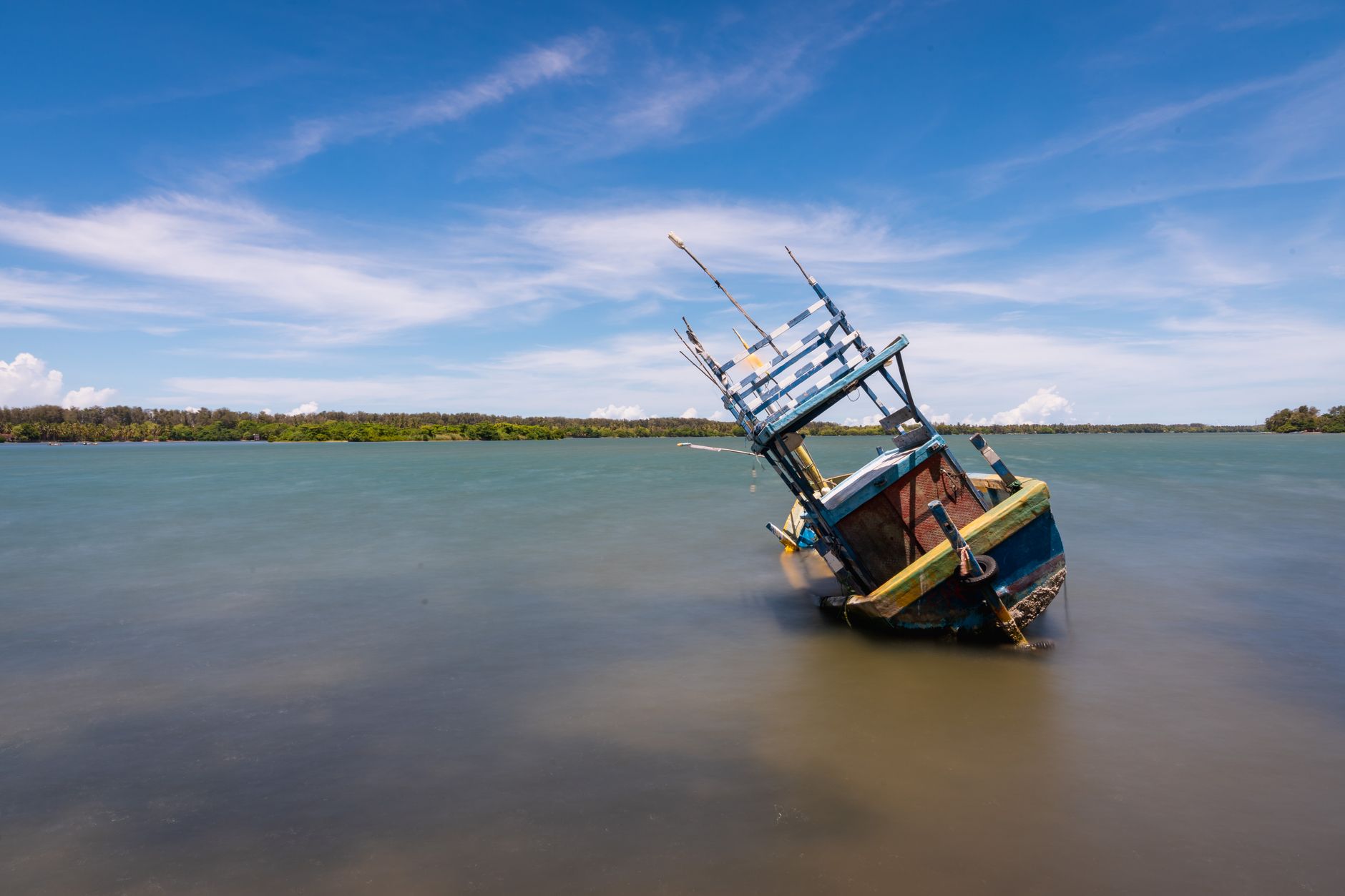
The lagoon is the main family draw. Half-day boat tours (typically 2–3 hours) wind through mangroves, past fishing villages, and across calm, protected waters. Children enjoy spotting herons, kingfishers, and occasionally fish farms. The water is sheltered, so boats sit low and stable—suitable for ages 4 and up who can sit still. Hire a boat through your accommodation or ask locally; expect to pay 2,000–4,000 LKR for a small private tour. Go early morning (6–8 a.m.) for better light, cooler air, and fewer insects.
Beaches for Families
Batticaloa's beaches are wide, quiet, and relatively clean, with soft sand and gentle shelving in many spots. Lagoon Beach (near the lagoon mouth) is protected and calm; Kallady Beach extends for miles with fewer people. Neither has formal lifeguards, so supervise closely and swim only when weather is clear. Undertow can develop after monsoon swells, even out of season—check locally before entering. These aren't tropical resort beaches with loungers and vendors; they're natural, which appeals to families wanting space and calm but requires self-sufficiency (bring your own shade, snacks, water).
Related: Best Hotels in Nuwara Eliya, Sri Lanka
Related: Anuradhapura with family: what works and what to skip
Related: Colombo with family: what works and what to skip
Cultural Sites (Low-Key)
The Batticaloa Fort ruins are a short walk from the lagoon. Older children (8+) enjoy exploring the crumbling ramparts and learning about Portuguese and Dutch history; younger ones may find it slow. No entrance fee, no crowds, no facilities—go midmorning or late afternoon to avoid heat. The Hindu temples and Catholic church in town are visually interesting but require respectful dress (covered shoulders and knees); brief visits work well for families keen on local culture without formal tours.
Local Food Markets
The early-morning fish market (around 6–7 a.m.) near the lagoon is lively, sensory, and brief. Older children find it fascinating; toddlers may be overwhelmed by noise and smell. It's free, and you'll often see unusual catch (stingrays, large trevally) that interest young naturalists. Kallar Bazaar (inland, near town centre) sells fruit, spices, and souvenirs in a busy but navigable setting.
What to Skip or Plan Carefully

Monsoon Season (October–January)
The east coast monsoon brings heavy rain, rough seas, and frequent flooding in low-lying areas. Boat trips are cancelled, beaches are unsafe, and daily activities grind to a halt. If you must visit during shoulder months (September or February), accept that plans will be flexible and outdoor time limited.
Accommodation with High Expectations
Batticaloa has no high-end family resorts or all-inclusive properties. Hotels are modest, and service is slower than in Colombo or Galle. Riviera Resort (2-star, 7.9/10) and Hotel East Lagoon (2-star, 7.7/10) offer reliable mid-range comfort with lagoon views and friendly staff, but expect occasional water interruptions, limited in-room entertainment, and no kids' clubs. Naval Beach Rest Inn (1-star, 8.4/10) and Naaval Hotel (2-star, 8.4/10) are budget-friendly and clean but basic. For families seeking premium comfort, Batticaloa will frustrate; consider it as a slow, cultural detour rather than a resort destination.
Crowded Holiday Peaks
During Sri Lankan school holidays (December–early January, April, July–August) and international holidays, even Batticaloa's quiet beaches and accommodation fill quickly. Local families visit; prices nudge up. Travel in May–June, September, or March for fewer crowds and easier booking.
Healthcare and Medical Emergencies
Batticaloa's main hospital is basic, with no paediatric specialists or advanced trauma care. For serious illness or injury, you'd need to travel 3–4 hours to Colombo. Bring a well-stocked first-aid kit, travel insurance that covers evacuation, and ensure children have routine vaccinations up to date. Dengue and chikungunya are present; use insect repellent consistently.
Long-Distance Exploration
Batticaloa is not a hub for multi-site family touring. The nearest significant attractions (Arugambe beach, Tangalle) are 3–4 hours away by car on poor roads. Day trips are possible but exhausting with young children. Use Batticaloa as a 2–3 night base for relaxation, not as a stepping stone to multiple destinations.
Accommodation Recommendations by Family Type
Budget families (self-catering preferred): Leena Holiday Home (9.8/10 on limited reviews) offers home-like space and kitchen access, ideal for managing meals and costs.
Families seeking comfort and reliability: Riviera Resort balances affordability, cleanliness, and lagoon access; staff are accustomed to families.
Small groups or extended stays: Hamsaam Villa (1-star, 8.1/10) provides villa-style accommodation, more privacy than hotels.
Avoid: Benni Beach Resort (5.4/10) has low ratings and limited reviews; unreliable for families.
Timing and Packing Tips
Best months: May–June and September (warm, dry, fewest crowds, but expect occasional showers). March–April is also good but warmer.
Essentials to pack:
- Insect repellent (25% DEET minimum) applied daily.
- Sun protection: high-SPF sunscreen, hats, UV-blocking clothing.
- First-aid kit: paracetamol, antihistamines, antiseptic, plasters, oral rehydration salts.
- Medications in original packaging with prescriptions.
- Swimwear and water shoes (coral and sharp rocks on some beaches).
- Lightweight layers: evenings are cooler; malaria-carrying mosquitoes are active after dusk.
- Snacks familiar to children (limited Western options in town).
Getting There and Distances
From Colombo: 270 km by road, 5–6 hours by car (A4/B77, often slow). From Trincomalee: 90 km, 2.5–3 hours. Direct flights aren't available; Batticaloa's airstrip is closed. Plan a multi-night stay (at least 2–3 nights) to justify travel time.
FAQ
Is the water safe for children to swim in? Generally yes, but currents and undertow vary seasonally. Always supervise closely, ask locals about conditions that day, and avoid swimming alone or after heavy rain. Beaches have no lifeguards.
What's the food like for picky eaters? Local cuisine is seafood and rice-heavy, often spiced. Pack familiar snacks for children. Major hotels can prepare mild curries or simple rice and fish on request. Fruit is fresh and available. Imported Western foods are rare and expensive.
Is it safe for families overall? Yes. Batticaloa is peaceful, locals are welcoming, and petty crime is rare. Standard precautions (don't flash cash, avoid isolated areas at night) apply. The main risks are health-related (dengue, water quality) and logistical (slow services, distance from advanced medical care).
Can we visit Batticaloa for a day trip from Trincomalee? Possible but tiring. It's 90 km (2.5–3 hours each way). One full day allows a lagoon boat trip and beach time but feels rushed with young children. An overnight or two-night stay is more relaxing.