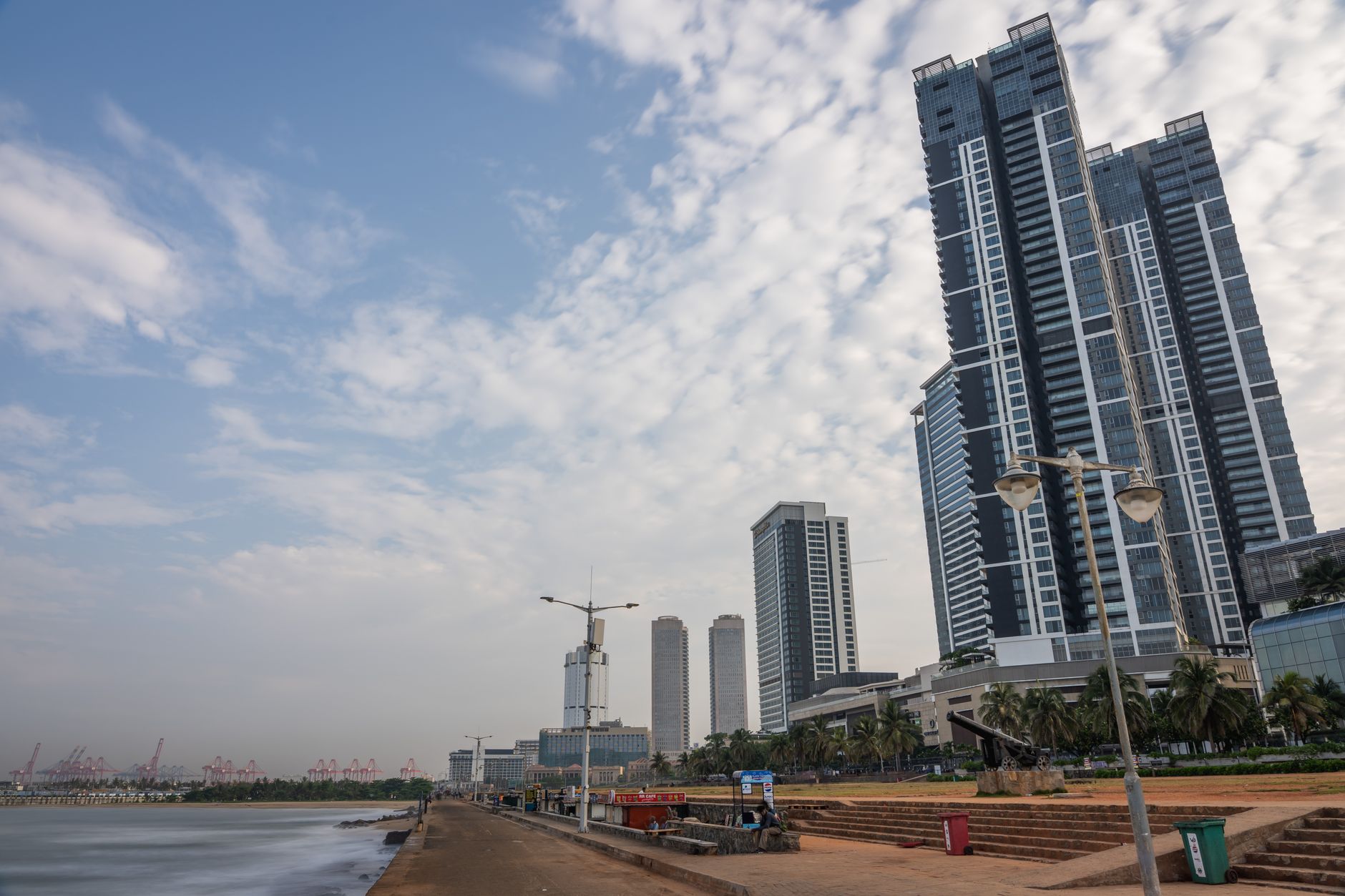
Colombo, Sri Lanka's bustling capital, can be visited year-round, but timing significantly shapes your experience of the city's weather, events and atmosphere. The best window runs from December to March, when northeast winds bring dry conditions, cooler temperatures in the low 30s°C, and lower humidity—making it comfortable for walking through colonial quarters, market districts and waterfront areas. If you prefer crowds and can navigate rain, the shoulder seasons of April and October-November offer fewer tourists and lower accommodation prices, though afternoon downpours are common. The May-to-September southwest monsoon brings heavy rainfall that occasionally disrupts plans, yet it reveals a quieter, greener city that many overlook.
What makes December to March the peak season?
These months coincide with the dry season in western Sri Lanka, where Colombo sits. The northeast monsoon brings stable, sunny days perfect for exploring the Galle Face Green promenade, wandering through Pettah's chaotic bazaar, or visiting the National Museum. Humidity remains moderate compared to other seasons, making afternoons genuinely pleasant rather than draining. Equally important, December-February captures the Colombo season when travellers move in from cooler climates, cultural events multiply—including New Year celebrations and smaller temple festivities—and restaurants and tour operators operate at full capacity. Accommodation books up weeks ahead and prices peak, sometimes doubling compared to shoulder months. If you're sensitive to crowds and don't mind paying premium rates, aim for early December or late February when the absolute rush thins slightly.
Is April worth visiting, and what changes in October-November?
April occupies an awkward middle ground: the northeast monsoon ends, the southwest hasn't fully arrived, and afternoon thunderstorms punctuate otherwise clear mornings. Humidity climbs noticeably, and many hotels drop rates by 20–30% knowing fewer tourists book. If you're flexible and don't mind unpredictable rain, April rewards you with intimate café moments, shorter queues at attractions, and a chance to experience Colombo as locals do. The same applies to October-November, when the southwest monsoon winds down and the northeast hasn't kicked in. These weeks feel fresher than April, with occasional rain but longer dry spells, and prices remain reasonable. Both periods suit independent travellers, budget-conscious visitors and those seeking a less packaged experience.
Related: Best Ayurveda Cure in Sri Lanka: Where to Go and What to Expect
Related: Passara with Family: What Works and What to Skip
Related: Araliya Green Hills: A Practical Guide to Sri Lanka's Highland Retreat
What about the monsoon season (May-September)?
The southwest monsoon batters the western coast where Colombo sits, bringing consistent, sometimes torrential rainfall, especially June through August. Many overseas travellers avoid these months entirely, assuming the city becomes impossible to navigate. In reality, mornings often stay dry, and only afternoons unleash heavy showers. Hotels offer discounts of 40–50%, restaurants feel genuinely local rather than tourist-focused, and cultural institutions run quieter. If you're comfortable carrying an umbrella, enjoy atmospheric monsoon light for photography, and don't have strict itineraries, these months reveal Colombo's working character—street vendors huddle under awnings, the smell of rain on hot pavement permeates the air, and the city's rhythm feels less performative. That said, some outdoor plans (boat trips, beachside dining) become unreliable, and occasional flooding can block certain roads for hours.
Comparing weather across the year
Temperatures in Colombo vary less dramatically than humidity and rainfall. December through February runs 26–31°C with 60–70% humidity, making evening walks genuinely enjoyable. March warms to 32–33°C as the monsoon approaches, but afternoon showers remain rare. April and May push above 33°C with climbing humidity, making even short walks feel taxing without air conditioning. June-August drop slightly to 27–30°C but feel more humid due to rain; the air feels thick and waterlogged rather than stuffy-hot. September-October warm again to 31–32°C, with October's humidity dropping noticeably. If heat tolerance is your main concern, December-February and October-November are gentlest; if you embrace humidity and rain, May-September hold surprising appeal.
Which festivals and events shape your visit?
Colombo's calendar influences when certain experiences matter. December brings festive energy—Christmas markets, New Year parties, illuminated streets—appealing to those celebrating the season. January hosts the Duruthu Full Moon Poya festival, when many temples hold early-morning alms-giving ceremonies worth witnessing. February-March occasionally overlap with Maha Shivaratri celebrations (dates vary yearly) and smaller temple festivals. May marks Vesak Full Moon, a nationwide Buddhist celebration with temple decorations and street fairs across Colombo, though it coincides with monsoon rain. If religious festivals or holiday atmosphere matter, December-February and May are most vibrant; if you prefer fewer ceremonies and simpler sightseeing, October-November offer quieter alternatives.
Practical recommendations based on your priorities
For predictable weather and comfort: Visit December to early February. Pack light cotton clothing, sunscreen, and sunglasses; bring a light rain jacket as an afterthought rather than necessity.
For budget consciousness: Consider October-November or April, when prices drop significantly. Expect afternoon rain but shorter walks between shelter.
For authentic local experience: Visit May-September, especially July-August, when tourists thin dramatically. Embrace rain as part of the atmosphere; negotiate slower travel plans.
For families or inflexible schedules: Stick to December-March when weather predictability reduces stress and accommodation supply is abundant, though at higher cost.
Colombo rewards patient observation regardless of season—the city's character emerges in monsoon-season street markets as readily as in peak-season festivals. Choose your window based on weather tolerance and what kind of traveller you are rather than assuming one season suits everyone.
FAQ
Can I visit Colombo during the monsoon without problems? Yes, though with caveats. Mornings are usually dry, and rain typically arrives afternoons. Some outdoor activities (boat tours, beachside meals) become unreliable. Hotels, restaurants and museums remain open, and you'll experience far fewer tourists. Pack an umbrella and build flexible plans.
What's the coldest Colombo gets? During peak season (December-February), early mornings and evenings drop to around 24–26°C. This rarely feels cold by tropical standards—light sleepwear suffices—but feels refreshing after daytime heat.
Is June a good month to visit? June brings heavy monsoon rain and isn't ideal for sightseeing comfort, though it's extremely quiet and prices are low. Visit if you're rain-tolerant and seek solitude; avoid if predictable weather matters.
How far ahead should I book accommodation in peak season? Book 6–8 weeks ahead for December-February, especially mid-December through early January and late February. Earlier bookings secure better rates. Off-season bookings can happen 2–3 weeks ahead without penalty.