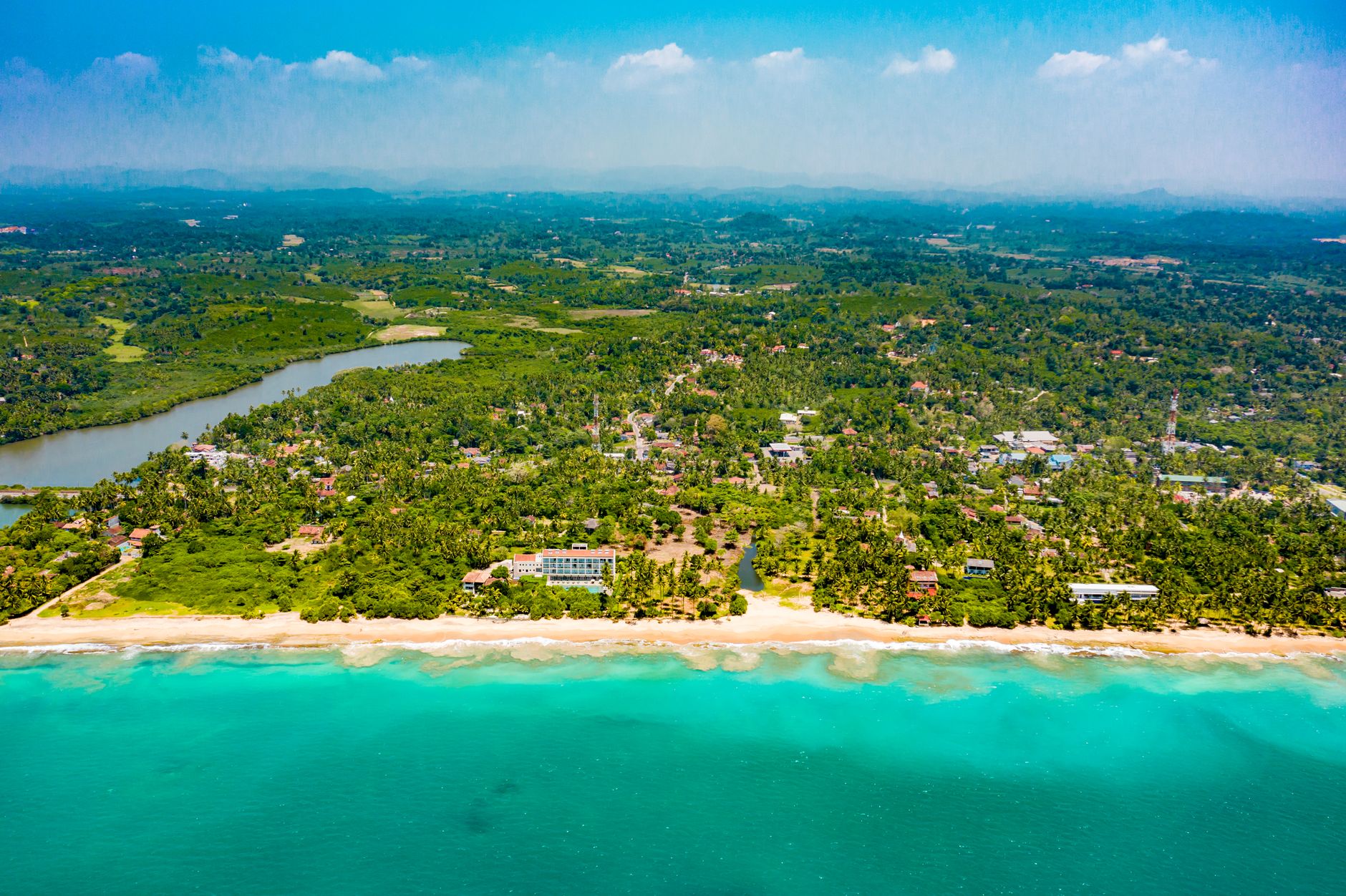
Elpitiya is a quiet, manageable destination for solo travellers seeking a less-touristed slice of Sri Lanka's south coast. The town itself poses minimal safety concerns; locals are accustomed to independent visitors, transport is straightforward, and mid-range guesthouses cater well to single guests. Plan around monsoon season, budget modestly, and lean on simple logistics.
Is Elpitiya safe for solo travellers?

Yes. Elpitiya is a small, predominantly Muslim fishing town with a relaxed rhythm and virtually no reports of crime targeting tourists. Unlike Colombo or Kandy, there's little hassle culture here—tuk-tuks don't swarm you, vendors aren't aggressive, and you won't face the persistent gem-shop pitches common in busier areas. Solo female travellers report feeling secure walking through town during daylight; evenings are quieter and less populated, so stick to main streets after dark or arrange a tuk-tuk ride for 200–300 LKR. Police presence is minimal but not absent. The real risks are universal travel ones: petty pickpocketing in crowded transport (rare here), sunburn, and occasional stomach upset from unfamiliar food—not town-specific threats.
Stay aware of the monsoon reality: the southwest monsoon runs May to September, bringing heavy seas and occasional flooding. Road washouts can strand travellers briefly, but local authorities keep routes passable. Register with your embassy if travelling during October or November (monsoon tail-end) when conditions are less predictable.
Related: Polonnaruwa for Solo Travellers: Safety and Practical Tips
Related: Rathnapura for Solo Travellers: Safety and Practical Tips
Related: Colombo for Solo Travellers: Safety and Practical Tips
Getting to and around Elpitiya alone

Elpitiya sits on the southern coast, 140 km south of Colombo and roughly 50 km west of Galle. Most solo travellers arrive via Colombo.
From Colombo: Take an intercity bus from Colombo Fort railway station or Galle Road bus stand. Buses run hourly; the journey takes 3–4 hours depending on stops. Fares are 300–500 LKR. Alternatively, book a private driver through your guesthouse (2,500–4,500 LKR for the journey) if you prefer comfort and direct drop-off—worth the cost for solo first-timers.
From Galle: Galle is better connected to the backpacker trail and only 50 km east. Buses take 1–1.5 hours (200 LKR). If you're island-hopping, Galle is a logical stepping stone.
Within town: Elpitiya is walkable. The main street, where shops and guesthouses cluster, takes 15 minutes to traverse on foot. For beach visits or outlying villages, tuk-tuks are cheap (50–100 LKR for short hops). Negotiate fares before boarding; English-speaking drivers are scarce but friendly. If you're hiring a tuk-tuk for a full day exploring mangrove areas or nearby attractions, expect 1,500–2,500 LKR.
Hiring a bicycle or motorbike: Guesthouses sometimes rent bicycles (500–800 LKR/day) for exploring quieter coastal roads. Motorbikes are available but require an international licence and are risky on unfamiliar roads—skip it unless experienced.
Where solo travellers stay
Elpitiya's accommodation is modest and affordable. Most are family-run guesthouses clustered near the main road or seafront. Expect clean rooms, basic amenities, and owners who can help with onward bookings and local advice.
Mid-range options: Red Mangrove offers solid beachfront positioning ideal for solo guests wanting to meet other travellers or enjoy sunsets alone. Green house is a reliable mid-range choice with friendly staff who arrange local tours and are used to independent visitors. Rates typically run 2,500–5,000 LKR for a single room with fan or air-con.
Budget guesthouses: Nildiya Cottages and other family-run spots (1,500–2,500 LKR) are perfectly safe and often the best place to gather local knowledge. Solo travellers often book communal areas, eat breakfast with the family, and exchange tips with other guests. The lack of tourist infrastructure is actually a feature—you're not performatively "experiencing" Sri Lanka; you're living it quietly.
Book ahead during December–February (peak season) and July–August (school holidays). In shoulder months (March–April, September–November), rooms are plentiful and cheaper. Avoid May–June and September if possible; roads can flood and supplies run short.
Daily costs and budgeting
Elpitiya is one of Sri Lanka's least expensive regions for solo travel. Budget modestly:
- Accommodation: 2,000–5,000 LKR/night (£5–13)
- Meals: 300–800 LKR per meal at local eateries; rice, curry, and seafood are cheap and fresh. A "short eats" breakfast costs 150–300 LKR. Tourist restaurants (rare here) may charge 1,500–2,500 LKR.
- Transport: Tuk-tuks, 50–200 LKR per journey. Buses to other towns, 200–500 LKR.
- Activities: Beach walks are free. Guided mangrove tours (popular solo activity; see below) cost 1,500–3,000 LKR per person.
- Total daily budget: 4,000–8,000 LKR (£11–21) if you eat locally and avoid tourist traps.
Elpitiya has ATMs (Bank of Ceylon on main street) but bring cash from Colombo or Galle as a buffer. Mobile money (Dialog or Airtel) works for small vendors; most guesthouses accept cash only.
What to do solo: practical activities
Mangrove kayaking or boat tours: The Maduganga Sanctuary, a protected lagoon 20 minutes east by tuk-tuk, is Elpitiya's main draw. Solo travellers can join a group tour (1,500–2,500 LKR for 2–3 hours) or book a private guide. Dawn departures (5:30–6:00 am) are best for spotting fishing eagles, kingfishers, and monitor lizards. Boats are stable and safe; guides speak basic English and are used to solo visitors.
Fishing village walks: Ask your guesthouse owner to introduce you to a local fisherman. Early morning (5:00–7:00 am), watch nets being cast and boats returning. This is free, meditative, and far less touristy than organised "fishing tours." Your presence as a solo visitor often sparks curiosity and conversation.
Beach time: Elpitiya's beach is rocky and functional rather than postcard-pretty, but it's nearly empty. Swim during daylight between November and April (safest for sea conditions). Bring reef shoes; sea urchins are present.
Nearby Sinharaja rainforest: A 1–1.5-hour drive inland from Elpitiya lies one of Sri Lanka's richest biodiversity zones. Solo travellers often base themselves in Elpitiya and take a day trip with a driver or join a group trek. The Secret Garden at Mist of Sinharaja or Ududola Rainforest Cottages offer multi-day stays if you prefer deeper immersion. Early morning walks reveal leopard pugmarks, endemic birds (Sri Lanka wood pigeon, drab seedeater), and monkeys. This is Sri Lanka's most pristine interior and worth the detour.
Food, water, and health
Eating solo: Restaurant culture isn't strong in Elpitiya; most solo travellers eat at guesthouses or small "short eats" shops. Food is safe and cheap. Seafood curries are local specialities—fresh prawns and fish arrive daily from the harbour. Avoid tap water; drink bottled water (30–50 LKR) or boiled water from guesthouses.
Pharmacies: A small pharmacy sits on the main street. Staff speak limited English but recognise common ailments. For serious issues, Galle (50 km) has a larger hospital.
Sun and insects: Sunscreen is essential; the reflection off the sea intensifies UV exposure. Mosquitoes are active at dawn and dusk—bring repellent and light, long sleeves for evening meals. Dengue fever occurs but is rare in Elpitiya itself.
Practical tips for solo travel
-
Arrive mid-morning. Buses from Colombo or Galle reach Elpitiya between 10:00 and 13:00. Arrive before dark on your first day; settling into a guesthouse and eating a meal locally eases the transition.
-
Learn a few Sinhala phrases. "Ayubowan" (hello), "Shukriya" (thank you), "Eka kawada?" (how much?) unlock surprising warmth from locals who rarely see foreign travellers.
-
Book activities through your guesthouse. Owners have trusted guides, fix transport, and negotiate fairer prices than you would alone. Trust their recommendations.
-
Carry small bills. Change is often hard to get; paying for a 300 LKR meal with a 1,000 LKR note may leave you short. Break notes at the ATM or a shop.
-
Join other guests or locals for meals. Most guesthouses serve communal breakfasts. Solo travel doesn't mean eating alone; shared meals often lead to friendships or tips.
-
Plan your onward move. Buses from Elpitiya to other coastal towns (Mirissa, Unawatuna, Matara) run until late afternoon. Decide your next stop a day ahead to avoid rushed mornings.
FAQ
Is there WiFi in Elpitiya? Most guesthouses offer WiFi; speed is slow (1–3 Mbps) and can drop during rain. Sim cards from Dialog or Airtel (sold at any small shop for 100 LKR) give you mobile data backup. Budget 300–500 LKR/week for reasonable mobile data.
Can I visit Elpitiya year-round? Technically yes, but May to September brings heavy monsoon rain and rough seas. November to April is dry and warm. October is unpredictable. June–August are quietest and cheapest if weather risk is acceptable.
Do I need a guide for the mangrove tour? No, but it's advisable. Guides identify birds and animals you'd miss alone, share local history, and prevent you paddling into restricted areas. Cost is modest (1,500–2,500 LKR) and shared among a small group, so solo travellers often split expenses.
What should I pack for Elpitiya? Lightweight, breathable clothes; reef shoes for rocky beaches; sunscreen; insect repellent; a light rain jacket; and a sturdy bag for day trips. Pharmacies stock basics, so don't overpack. Leave valuables in the guesthouse safe; petty theft is rare but possible on public transport.
Elpitiya rewards solo travellers who embrace its quiet tempo. The fishing boats, monsoon rhythms, and unhurried interactions with locals offer something uncommon in tourist-heavy Sri Lanka: genuine solitude without loneliness.