Gal Oya Valley Cottages: What to Expect and Where to Stay
Gal Oya Valley cottages range from £25 to £80 per night depending on comfort level. Most are simple jungle huts with shared or private bathrooms, no air conditioning, and limited electricity (generators or solar). Booking is done directly with owners, through local safari operators, or via online booking sites. The valley has no high-street hotels or resort chains—accommodation is deliberately basic.
What are typical Gal Oya Valley cottage prices?
Budget huts run £25–40/night. These are wooden or concrete structures with basic beds, pit or squat toilets, and minimal furnishings. Mid-range bungalows cost £45–80/night and add en-suite bathrooms, solar power, and sometimes fans. Meals (breakfast, lunch, dinner) cost an additional £8–15/person/day if provided by your host.
Single rooms are rare; most cottages operate as family units rented whole. A two-bedroom cottage for four people costs roughly £50–100/night total, so £12.50–25/person.
Related: Kandy with Family: What Works and What to Skip
See also: Polonnaruwa with family: what works and what to skip
Related: Granbell Hotel Colombo: Design, Location & What to Expect
How do you book Gal Oya Valley cottages?
There's no centralised booking platform. Options:
Direct contact: Walk into the Gal Oya Valley area (near Inginiyagala or Ampara district) and ask local guides or the Gal Oya National Park office. This is slow but often yields the cheapest rates (negotiate 10–20% off posted prices).
Safari operators: Companies offering wildlife tours often manage cottages or have partnerships. They handle logistics, meals, and guided activities. Expect to pay 15–25% markup, but transport and meals are bundled.
Online platforms: Airbnb and Booking.com list some Gal Oya properties, though availability is patchy and prices inflated for foreign travellers. Expect 30–50% premium over direct booking.
Local guesthouses: Stay in Ampara town (10 km away) and day-trip into the valley. Cheaper (£15–30/night) but you lose the immersion and must hire transport daily (£20–30 per jeep).
What amenities and conditions should you expect?
Electricity is unreliable. Solar systems charge 0600–1800 only; generators run evenings and early morning. Torches and power banks are essential.
Water comes from wells or collected rainwater. Cold bucket showers are standard. Hot water requires asking your host to boil it (usually £1–2 extra).
Wi-Fi: Don't expect it. Mobile signal (Dialog or Mobitel) works near the main access road but drops in remote huts. Plan for 48–72-hour offline periods.
Food is basic: rice, curry, dhal, coconut milk, occasional fish. Vegetarian options are available if requested in advance. Canned goods and bottled water are overpriced (40% above Ampara town rates).
Toilets range from en-suite Western models (mid-range) to shared pit latrines (budget). Squat toilets are standard in valley huts. No toilet paper; bring your own or use water (common in rural Sri Lanka).
Gal Oya Valley vs. other eastern region bases
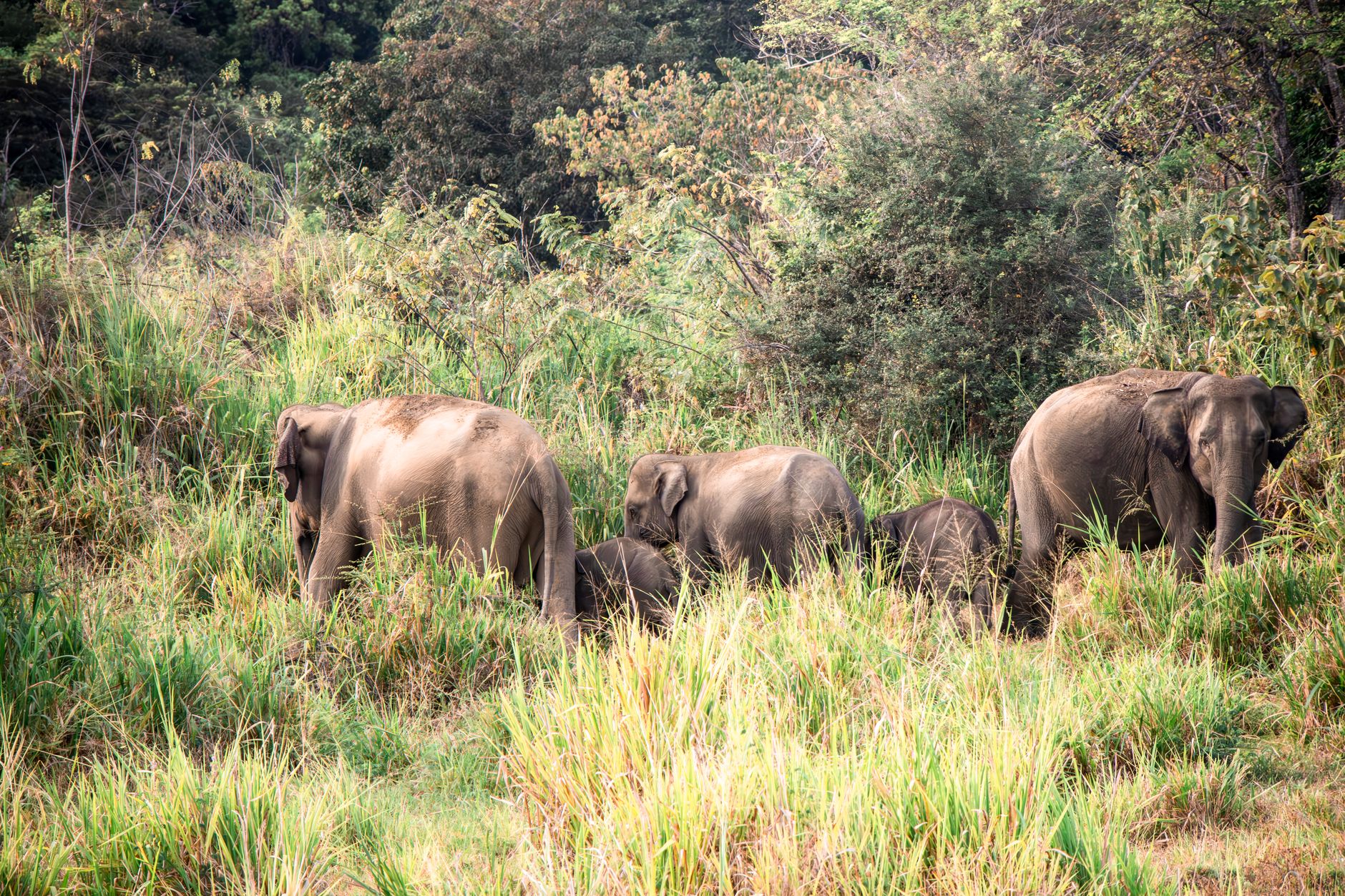
Gal Oya Valley: Cheapest accommodation (£25–80/night), best wildlife viewing (leopard, sloth bear, elephants), no crowds, very basic infrastructure. Best for: wildlife enthusiasts, budget travellers, experienced jungle-goers.
Arugambe Beach (60 km south): £30–100/night, beach access, better restaurants and shops, more tourists. Better for: surfers, social travellers, comfort-seekers.
Batticaloa Town (45 km south): £20–50/night, urban amenities, lagoon wildlife, easier logistics. Better for: families, those with limited mobility, cultural interest.
Trincomalee (140 km north): £40–150/night, beaches, diving, more tourism infrastructure. Better for: divers, resort-style comfort.
Gal Oya is the only location offering this level of jungle isolation and wildlife density at these prices.
When should you visit Gal Oya Valley?
Best seasons: May–September (wet, fewer tourists, lush). October–April (dry, animals concentrate near water, peak viewing). December–January is busiest and most expensive.
Rainy season (May–September) makes roads muddy and cottage access harder, but wildlife is more active and prices drop 20–30%. Dry season (October–April) means better access, drier huts, and higher prices.
What activities and tours are included or available?
Most cottage operators arrange:
- Jeep safaris: £20–40/person for 3–4 hours, typically 0600–0900 or 1600–1900
- Boat safaris on Gal Oya Lake: £15–30/person for 2 hours
- Birdwatching walks: £10–20/person for guided morning walks
- Fishing: £30–50/person if your host has equipment and permits
Guides vary in quality. Ask for references or book through established safari operators (usually £5–10/person premium) for reliability.
Safety and practical considerations
Gal Oya Valley is safe for tourists. No major crime. Infrastructure risks:
- Roads are unmaintained; 4WD is essential in wet season
- Medical facilities are 30+ km away (Ampara General Hospital)
- Malaria risk exists; prophylaxis recommended (consult a doctor)
- Snakes and large animals are present but attacks on humans are rare; heed local warnings
- Petrol/diesel availability is limited; fill up in Ampara before entering the valley
Contacts and resources
Gal Oya National Park office (near Inginiyagala): +94 (0)63 2 245 506 (limited English). Opens 0800–1600, closed Mondays.
Ampara District: 45 km south via A4 road. Base for supplies, fuel, and medical care.
Nearest airport: Colombo (220 km, 5 hours by road via A6/A4).
FAQs
Can you turn up and find a cottage without booking? Yes, during low season (May–September, March–April). Walk-in rates are often 10–20% cheaper than pre-booked prices. In peak season (December–January), expect 70–80% of cottages to be full. Book 2–4 weeks ahead for December–January.
Is it possible to stay in Gal Oya Valley on £20/night or less? Sometimes. Hiring a local's spare room or asking lodge owners for discounts can yield £15–20/night rates, especially for stays of 5+ nights. However, expect very basic facilities (no private bathroom, minimal electricity). Budget £25/night as a realistic floor.
Do cottage operators provide meals? Most do, but not always included in the room rate. Clarify when booking. If you cook for yourself, few cottages have kitchens; you'll need to buy supplies in Ampara and negotiate meal preparation with your host (usually £3–5/meal for labour, plus ingredient costs).
Is it worth staying in the valley vs. day-tripping from Ampara? Yes, if you stay 2+ nights. Day-tripping costs £20–30/day in transport alone, and you miss dawn/dusk wildlife activity (best viewing times). A 2-night stay (£50–160 total) plus jeep safari (£30–60) costs less than 3 day-trips (£90) and offers far better wildlife encounters.