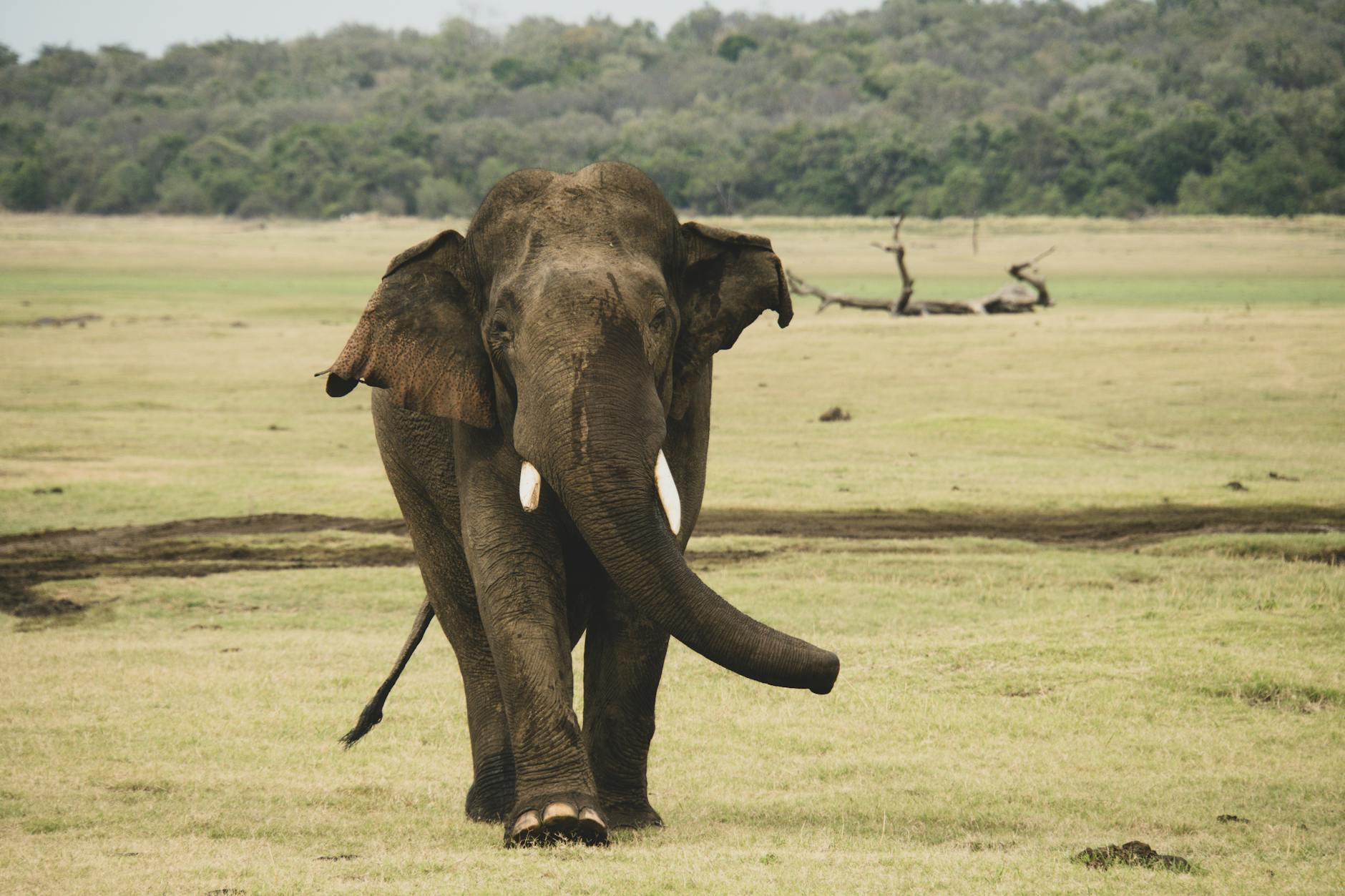
Yala National Park demands an early start, so staying nearby is essential. Most visitors base themselves in Tissamaharama, the closest town, or smaller villages like Kataragama and Kirinda, each offering different rhythms and price points for your safari experience.
Which area offers the best location for Yala safaris?
Tissamaharama sits roughly 15 kilometres from the park's main entrance and serves as the de facto hub for wildlife tourism in the region. The town has grown considerably in the past decade, with accommodation ranging from budget guesthouses to mid-range hotels catering specifically to safari visitors. Your jeep will pick you up directly from your hotel before dawn, typically between 4:30 and 5:30 a.m., so proximity to the park matters less than readiness for an early departure.
Kataragama, about 30 kilometres from the main gate, sits along a pilgrimage route sacred to Buddhists, Hindus, and Muslims alike. The spiritual energy here differs markedly from Tissamaharama's tourism-focused atmosphere, and you'll find more local travellers than international ones. Hotels tend to be simpler and significantly cheaper, though your safari jeep will collect you at the same pre-dawn hour.
Related: Padukka for Solo Travellers: Safety and Practical Tips
Related: Hotels in Yala National Park Sri Lanka: Where to Stay
Related: Passara with Family: What Works and What to Skip
Kirinda, a fishing village on the coast, sits closer to the southern boundary of the park and offers the quietest option. Accommodation here is minimal and basic, suited only to independent travellers comfortable with very modest facilities and limited dining choices. The drive to the park entrance takes longer, making it less practical for most visitors.
What should you expect in Tissamaharama?
Tissamaharama functions almost entirely for safari tourism now. Hotels cluster along the main road and around the town centre, and you'll find tour operators' offices on every corner. The town has several decent restaurants serving both Sri Lankan and international food—essential if you're spending two or three nights here. Most hotels arrange safari jeeps directly or recommend operators they trust, and negotiating rates becomes possible if you book multi-day safaris.
Accommodation in Tissamaharama spans a wide spectrum. Budget guesthouses occupy simple concrete buildings with basic rooms, fans rather than air conditioning, and shared or basic private bathrooms—perfectly adequate and costing as little as $20–40 per night. Mid-range hotels offer air conditioning, decent bathrooms, and sometimes a small garden or pool where you can rest between safari drives. Better establishments include buffet dinners and packed lunches for safari days, reducing the stress of finding food.
Stay at least one night, ideally two. Your first safari begins before sunrise the following morning, so arriving in the late afternoon gives you time to settle, eat dinner, and get to bed early. Two nights allows a second safari drive on your second day—morning and afternoon safaris give you twice the chance of spotting leopards, sloth bears, and elephants.
How does accommodation near the park compare to other Sri Lankan regions?
Unlike beach towns such as Mirissa or cultural centres like Kandy, accommodation near Yala prioritises function over aesthetics. Hotels here exist to serve safari tourists, not leisure travellers, so don't expect colonial charm, infinity pools, or elaborate gardens. What you gain instead is genuine local hospitality and the practical efficiency of a place geared entirely towards getting you into the park at the right time.
Prices reflect this purpose. A mid-range room near Yala costs roughly the same as one in Kandy or Ella, but without the tourist infrastructure of those towns. Restaurants serve solid Sri Lankan curries and rice plates rather than fusion menus; staff speak functional English rather than multiple languages. This directness appeals strongly to wildlife-focused visitors but may frustrate those seeking resort-style comfort.
Compare this to beach accommodation in the south: Mirissa and Unawatuna offer more choice, better views, and lower prices overall, but they require a two-hour drive to reach Yala's entrance, making early-morning safaris exhaustingly difficult. For serious wildlife watching, staying near the park justifies the trade-off.
What practical considerations should influence your choice?
Book accommodation well in advance during peak season (December through March). During these months, hotels fill quickly, and some tour operators reserve entire wings of hotels for their clients, limiting independent bookings. The shoulder seasons (August–September and April–May) offer better availability, fewer jeeps in the park, and lower prices.
Confirm that your hotel arranges safari transport or provides reliable operator recommendations. Booking your jeep through your hotel ensures punctual pickup and usually fair pricing; arranging transport independently on arrival risks poor quality or inflated tourist rates. Ask about safari guides' experience—some have worked in Yala for decades and offer exceptional knowledge; others are merely licensed drivers.
Dining is important. Few hotels offer quality evening meals, so eating at restaurants in town stretches your budget. Mid-range hotels including breakfast and dinner simplify logistics significantly. Packed lunches for safari days are essential; ask your hotel to prepare these, or buy supplies at the small supermarket in Tissamaharama town centre the evening before.
Electricity can be unreliable during low season and monsoon months; budget hotels without generators may experience outages. Air conditioning and fans rely on power, so clarify backup arrangements. Water supply is generally reliable, but it's sensible to carry bottled water anyway.
The climate is hot and humid year-round, with temperatures regularly exceeding 30°C. Safari drives happen in open-sided jeeps, so sunscreen and a wide-brimmed hat are non-negotiable. Many hotels rent or provide umbrellas for afternoon rain during monsoon season (May–September).
Should you stay longer than two nights?
Three days and two nights remains optimal for most visitors. You'll complete two full safaris, experience both morning and afternoon light conditions, and recover from early starts without excessive downtime. Longer stays suit only serious birdwatchers or wildlife photographers who want multiple drives in varying weather and seasons.
If you're combining Yala with other regions, consider the travel logistics. Yala sits roughly 300 kilometres from Colombo (5–6 hours), 250 kilometres from Kandy (5–6 hours), and 180 kilometres from Mirissa (3–4 hours). Building in a night near Yala on the way to or from other destinations makes sense; building in three or four nights doesn't, unless wildlife watching is your sole purpose.
The park itself covers over 140,000 hectares and remains fundamentally wild—you could spend weeks here and never see the same landscape twice. But for most travellers, two concentrated days of early starts and focused observation yields the wildlife encounters and memories worth the effort.
FAQs
When is the best time to stay near Yala for safaris? December through March offers the most reliable wildlife viewing, particularly for leopards and sloth bears, as animals congregate around water sources during the dry season. Book accommodation several months ahead. August through October sees fewer tourists, better availability, and lower prices, though afternoon rains are common.
Can you do Yala as a day trip from Colombo or Mirissa? Technically yes, but impractically. You'd need to wake around 2 a.m. to reach the park for a 5:30 a.m. safari start. You'd miss the optimal early-morning game-viewing period and arrive exhausted. Staying overnight near Yala is genuinely worthwhile, not just convenient.
What's the difference between budget and mid-range hotels near Yala? Budget hotels offer basic rooms with fans, simple bathrooms, and minimal services but solid value for money ($20–50 per night). Mid-range establishments add air conditioning, better bathrooms, breakfast, dinner, and often arrange safari logistics directly. They cost roughly double but eliminate logistical stress and provide better comfort after long safari days.
Is it worth hiring a private guide separate from your jeep driver? If you're genuinely interested in wildlife identification and behaviour, yes—dedicated guides offer far deeper knowledge than jeep drivers alone. This typically adds $30–60 to your safari cost but transforms your experience, particularly for bird and reptile observation. Casual visitors find the driver's basic commentary sufficient.