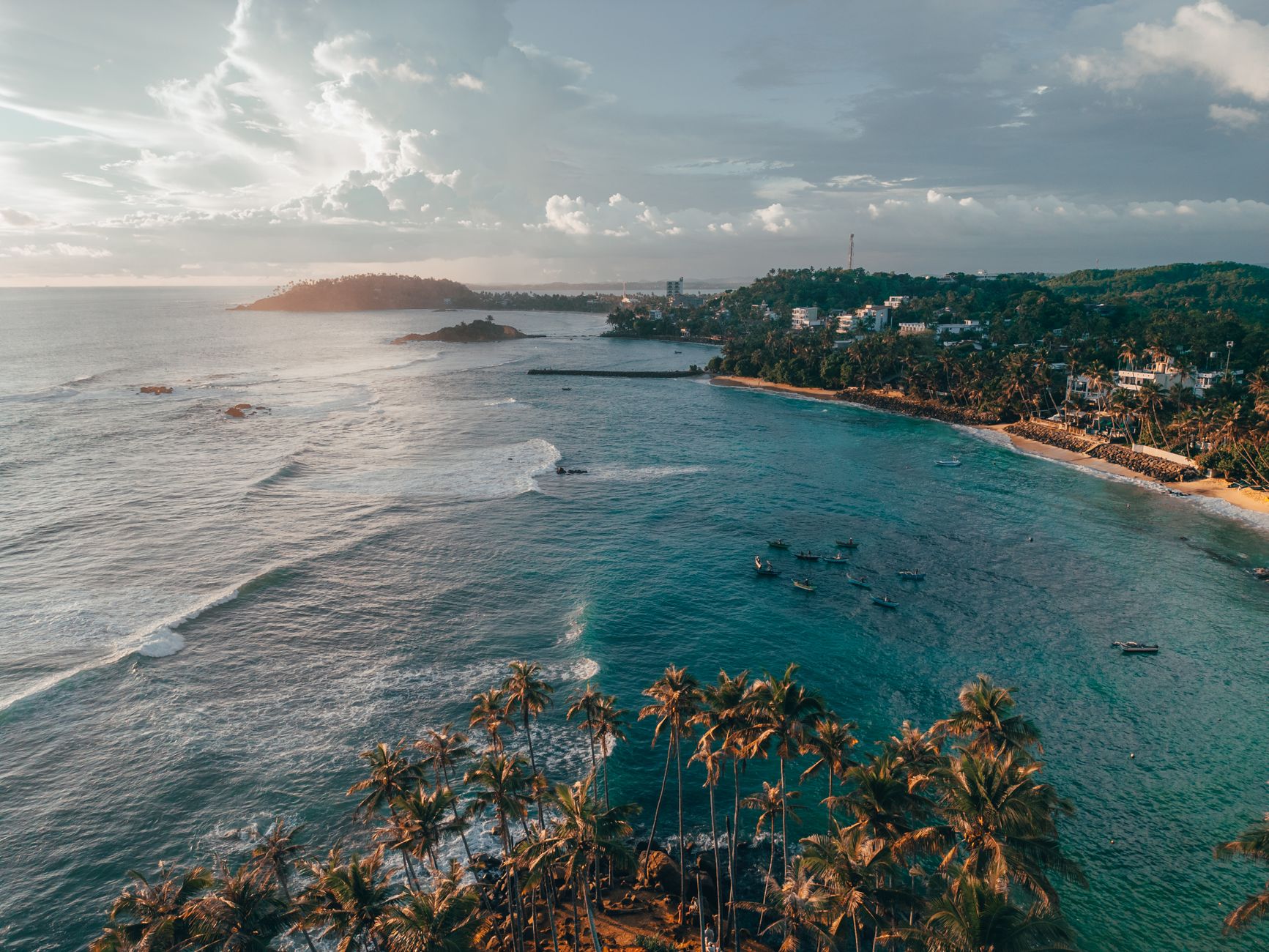
Ambalantota isn't a headline destination, but it rewards travellers seeking something quieter than the south coast crowds. The real draw: Kalametiya Sanctuary's wading birds, working fishing villages where you'll actually see nets being cast, and a pace that lets you breathe. Best for nature spotters and those avoiding tourist bustle. Most beach-focused visitors skip it—and that's exactly why you might want to stay.
What actually draws people to Ambalantota?
Ambalantota sits 40 km east of Matara on Sri Lanka's south coast, at the mouth of the Nilwella Lagoon. It's not Mirissa or Unawatuna—there's no nightlife, no rows of beach bars, no reliable surf breaks. What you get instead:
Kalametiya Sanctuary. This 16 sq km lagoon–marsh system hosts wading birds year-round: painted storks (September–May, peak March–April), black-headed ibis, Asian openbill storks, and if you're lucky, spotbills. The light at dawn is sharp and clean; visibility is best in the dry season (November–March). A four-hour boat tour costs around 3,000–5,000 LKR per person (negotiate at the lagoon entrance). You'll see genuinely wild behaviour—birds hunting, roosting, diving—not captive displays. This alone justifies a stop if you're into birds or photography.
Related: Nuwara Eliya with Family: What Works and What to Skip
Related: Habarana with Family: What Works and What to Skip
Related: Best Hotel in Kandy Sri Lanka: What Actually Matters
Fishing villages. The beaches near Ambalantota village remain working fishing grounds. You'll see outrigger boats (oruwa) being launched at dawn, nets spread on the sand to dry, and catches being sorted by hand. It's tactile and real, not staged. Visit early morning (5–7 a.m.) to see the actual work.
Quiet beaches. The sand is darker, the crowds are sparse, and the water is warm year-round. Not the finest swimming (the beach shelves steeply and there are currents), but peaceful for walks or sunsets.
Cost. Accommodation and food are significantly cheaper than Mirissa, 40 km west. A three-star room costs 4,000–7,000 LKR; a meal, 400–1,000 LKR.
When should you actually go?
Ambalantota's weather follows two cycles.
Best time: November–March (dry season). Kalametiya birds are abundant; the lagoon is accessible without rough conditions. March–April peaks for painted storks. Light is clear and sharp. Temperatures hover around 25–27 °C. This overlaps the main south coast season but before the heavy rush.
Shoulder season: September–October and April–May. Still pleasant; bird populations are mixed but present. Hotels are quieter and cheaper.
Avoid: May–September (southwest monsoon). Heavy rain, rough lagoon conditions, and many bird species disperse. The beach can be unsafe for swimming.
Is it worth the detour?
That depends entirely on what you're chasing.
Worth it if you:
- Care about birdwatching or wildlife. Kalametiya is legitimate—not a zoo, not a curated spot, but a functioning wetland where you see natural behaviour.
- Want to slow down. There's no pressure to do anything except sit, walk, or watch.
- Are interested in fishing communities and how the work happens in real time.
- Are budget-conscious and want south coast comfort without Mirissa prices.
- Are photographing Sri Lanka and want genuinely quiet light and genuine subjects.
Skip it if you:
- Expect developed beach infrastructure (water sports, restaurants on sand, nightlife).
- Have limited time and want maximum box-ticking.
- Prefer comfort; even the best hotels here are smaller and less slick than Galle or Mirissa resorts.
- Are only interested in beaches and swimming; the water and sand are adequate but not exceptional.
Where should you stay?
Malala Retreat (4-star, 9.6/10) is the standout: small, thoughtfully run, set back from the road with quiet gardens. Guests praise the service and attention to detail. It's pricier than other options in Ambalantota (expect 15,000–20,000 LKR for a double), but the reviews reflect genuine quality.
For a mid-range balance, Amawin Resort (4-star, 8.2/10) offers better value—beachfront location, simple comfort, and a good restaurant. Around 10,000–15,000 LKR per night.
If you're budget-stretching, Sarada Lagoon View Cabana (3-star, 9.6/10) is tiny but highly rated, offering lagoon views at around 6,000–9,000 LKR.
For luxury, Shangri-La Hambantota (5-star, 8.7/10) is 15 km away in Hambantota proper—a full resort with multiple pools, restaurants, and facilities. Much busier and more commercial than Ambalantota village itself.
The honest verdict
Ambalantota is worth a night or two if you're moving east along the south coast and want to step off the main track. It's not a destination in itself unless you're specifically interested in birds or fishing villages. But for a traveller piecing together a south coast itinerary—say, two nights in Galle, a night in Mirissa, a night here—it adds texture and genuine quiet that the busier spots can't offer.
The real test: if you hear 'quiet lagoon at dawn with wading birds and no tourists' and your first thought is relief rather than boredom, go. If you need nightlife, crowds, or Instagram-ready beaches, save the time and stay in Mirissa.
FAQ
What's the best way to reach Ambalantota? From Matara, it's a 45-minute drive east (40 km) on the main coast road. Tuk-tuks and private hire are easiest; public buses run hourly but are slower. If you're coming from Galle (70 km west), allow 90 minutes.
Can I visit Kalametiya without staying overnight? Yes—a day visit from Mirissa or Matara is possible. The boat tour takes 4 hours, plus 1.5–2 hours travel each way. It's feasible but tiring as a day trip; staying overnight makes more sense for a genuine early-morning experience.
Is Ambalantota safe? Yes. It's a quiet fishing town with very little tourism crime. Standard precautions apply (don't flash valuables, avoid walking alone very late at night), but it's safer and quieter than busier tourist zones.
What else is nearby? Mirissa is 40 km west (whale watching, nightlife, beaches). Matara and Galle are 40–70 km west (forts, colonial architecture). Bundala National Park is 30 km east (more birds, more wild). Most travellers use Ambalantota as a waypoint rather than a base for day excursions.