Chilaw is a working fishing town on Sri Lanka's west coast—not a resort destination, but genuinely worthwhile if you want to experience local life, eat exceptional seafood, and escape the busier tourist circuits. It works best as a day trip or overnight stop rather as a week-long base, and whether it suits you depends almost entirely on what you're after.
What makes Chilaw worth your time?

The honest appeal of Chilaw lies in its unglamorous authenticity. This is a functional fishing port where the economy still revolves around the sea, not tourism. That means the fish market opens early with genuine activity—wooden boats unloading the night's catch, vendors sorting prawns and kingfish by size, the smell of salt and ice and the ocean. If you arrive before 7 a.m., you'll see something most tourists never do: the actual working heart of a coastal town.
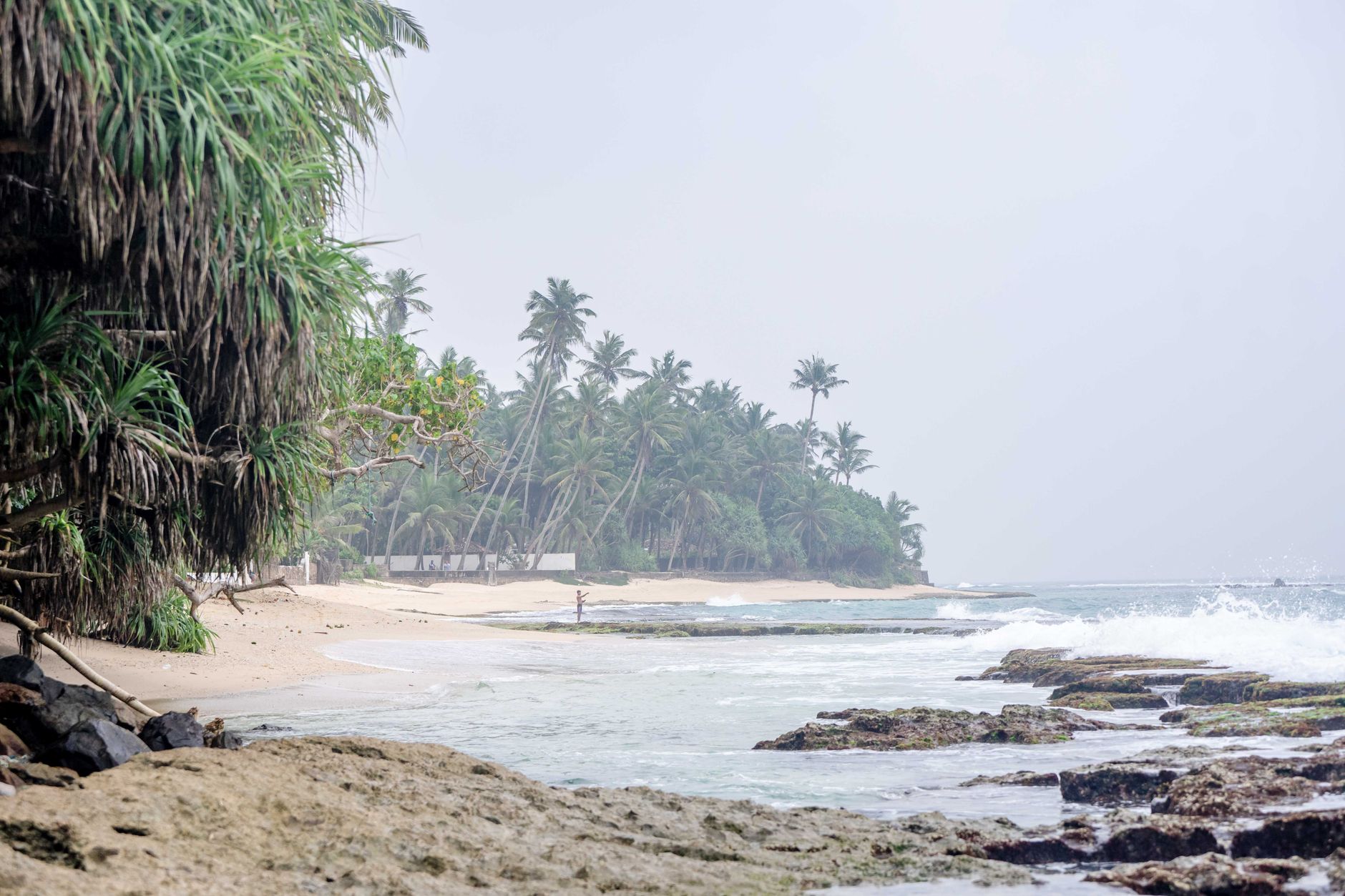
The beaches here are not postcard-perfect. The sand is darker, the water less turquoise than the southern coast, and there are often seaweed lines and local fishermen mending nets. But that's precisely why they feel real. You can walk for stretches without encountering another visitor, and the few guesthouses and hotels blend into the town rather than looming over it.
Related: Satin Doll Hotel Sri Lanka: Guide to This Boutique Property
Related: The Yard Hiriketiya: Beach Hostel Guide & What to Expect
Related: Dambulla for Solo Travellers: Safety and Practical Tips
Food is genuinely excellent if you know where to eat. The restaurants along the main road and near the lagoon serve fish that was in the sea that morning—cured, fried, grilled, or in curry. Portions are generous, prices are low, and the quality reflects the town's direct access to supply. Local curries made with fresh prawns, squid, and white fish are notably better here than in more touristy spots, because they're cooked for locals first.
Chilaw also has real cultural landmarks without the shrine-shop atmosphere of busier pilgrim sites. The Munneswaram Temple sits on a rocky outcrop nearby, and the 17th-century Portuguese fort ruins remain quietly visible along the coast. These are worth visiting partly because you'll often be alone, and partly because they tell genuine stories about the town's history rather than serving as backdrops for photographs.
What Chilaw is not
If you're after palm-fringed beaches, infinity pools, spa treatments, or nightlife, Chilaw will disappoint you. There's no boutique restaurant scene, no craft cocktail bar, no beach club with house music. The accommodation is modest—small family-run hotels and basic guesthouses, not luxury resorts. The town feels quiet in the evenings, sometimes to the point of feeling sleepy, particularly outside the peak fishing season.
The lagoon that runs parallel to the coast is scenic but not swimmable in the main town area, and it can smell of stagnant water in places. Some visitors also find the slight industrial edge (boat repair yards, fish processing, nets drying everywhere) less picturesque than they'd hoped.
Weather can be an issue too. The southwest monsoon brings rain and rough seas from May through September, which affects both the appeal of the beaches and the vibrancy of the fishing trade. The town is quieter and damper during these months, though it's rarely completely empty.
When to visit and how long to stay
November through March is the sensible window, when the weather is drier, the sea calmer, and the fishing season productive (meaning more boats, more energy, fresher seafood). December and January can feel slightly crowded by Chilaw standards, though crowded here means perhaps a handful of other visitors in town rather than queues.
One night is realistic if you're passing between Colombo and the north. You get the fishing market in the morning, a beach walk, a meal, and a sense of place without overstaying. Two nights allows for a more leisurely pace—a morning market visit, an afternoon at the temple or exploring the lagoon's edges, and time to sit without rushing. A full week would be testing unless you're genuinely content reading and observing; the town has limited attractions for sustained tourism.
Where to stay
Twin Waters Resort is the most established option, a 3-star property with good local reviews (9.3/10) that sits on the lagoon and understands the town's rhythms. It's the kind of place run by people who know Chilaw rather than try to transform it.
Lotus Vibe Resort is the more upmarket choice at 5 stars, though with limited reviews it's harder to judge how well it fits the town's character. Coco Village Hotel Chilaw is simpler and more budget-conscious, with a 7.1/10 rating from a small sample.
Bird View Resort Anawilundava offers a countryside alternative just outside town if you want slightly more separation from the main harbour area, though it's a very small property with minimal reviews.
Avoid expecting resort standards from any of these—comfort yes, luxury amenities no—but that's exactly what makes them appropriate to the place. They're places to stay in Chilaw, not escapes from it.
The honest verdict
Chilaw is worth visiting if you want to see a functioning Sri Lankan fishing town, eat exceptional fresh seafood, and experience a less curated version of the coast. It's also worth the detour if you're already travelling between Colombo and the north and want to break the journey meaningfully. It's not worth planning a week-long holiday around unless you're genuinely seeking isolation and simplicity.
The best way to think about it: Chilaw doesn't cater to tourism, so it remains interesting. You'll see real life rather than a performance of it. That has genuine value if you're the sort of traveller who finds authentic detail more rewarding than architectural ambition or carefully designed experiences.
For context on nearby destinations and travel patterns, you might find it helpful to read about the best time to visit Sri Lanka and how Chilaw fits into broader west-coast travel plans.
FAQ
Is Chilaw safe for tourists? Yes. It's a working town with normal petty-theft precautions (don't leave valuables unattended), but it's not a crime hotspot and locals are generally welcoming to visitors. Tourist numbers are low enough that you're not a target.
Can I swim at Chilaw's beaches? Yes, though the water isn't as clear or warm-feeling as the south coast. Stick to designated areas near the main beach, ask your hotel about current conditions, and avoid the monsoon months (May–September) when the sea is rough.
What's the best meal to eat in Chilaw? Fresh grilled or curry fish caught that day, with local rice and sambol (a spiced condiment). Ask your hotel where locals eat rather than seeking tourist-oriented restaurants; you'll get better food and better value.
How do I get to Chilaw? It's roughly 90 minutes north of Colombo by bus or private transport on the A3 highway. Buses are frequent and inexpensive. If you're driving, the road is straightforward but busy in places.