Is Dambulla Worth Visiting? An Honest Take
Dambulla's Golden Temple and five ancient cave sanctuaries draw thousands daily. It's genuinely worth a half-day visit if you're in the Cultural Triangle, but expect crowds, touristy hawking, and limited nightlife. Best visited early morning or as part of a larger itinerary that includes Sigiriya.
What makes Dambulla actually worth visiting?
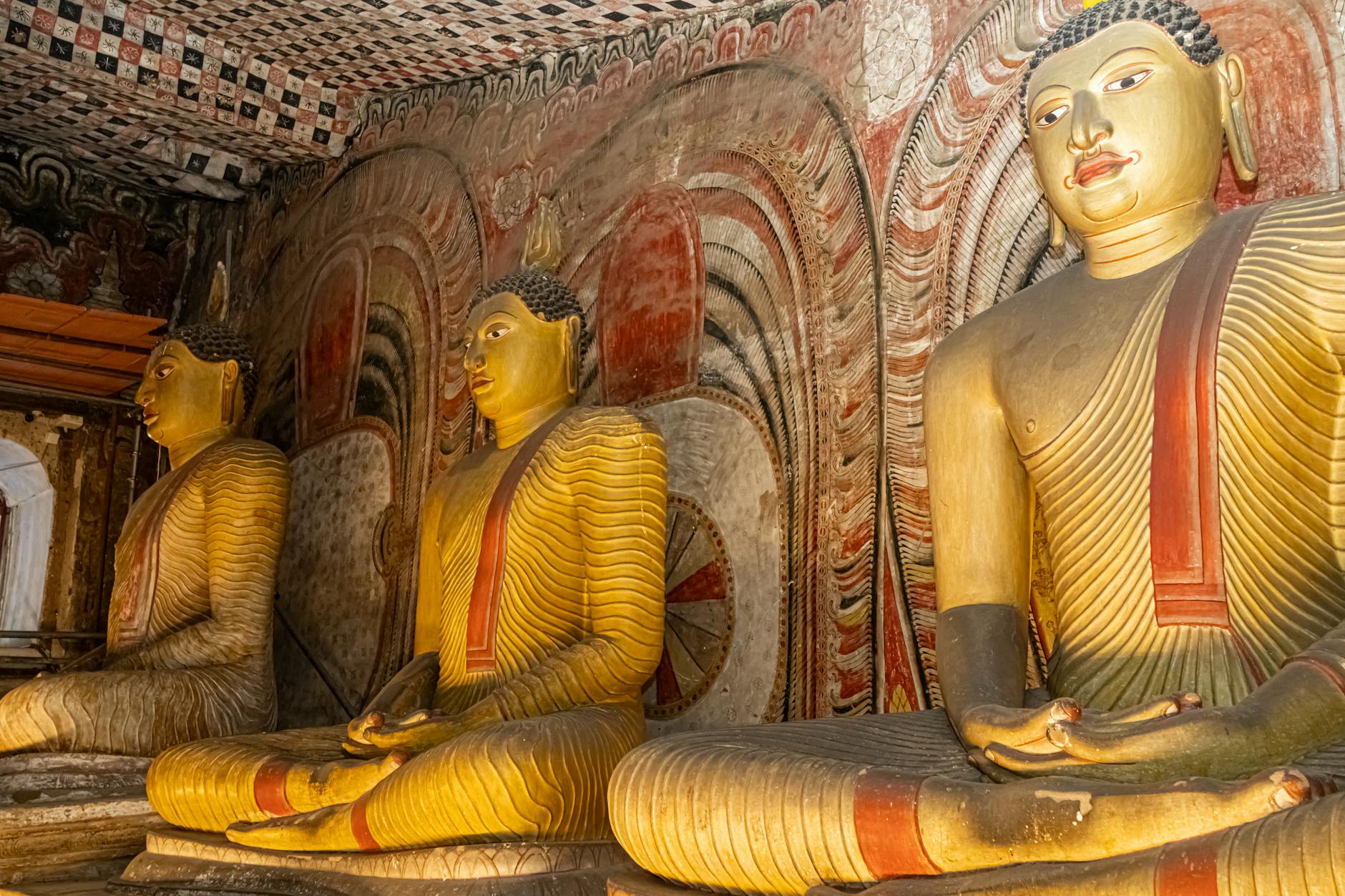
The cave temples—carved into rock over 2,000 years ago—are legitimately remarkable. The Golden Temple (Rangiri Dambulla Vihara) is the centrepiece: a gleaming seated Buddha added in the 1980s dominates the approach, and the older caves behind it contain original frescoes, reclining Buddhas, and dripping water features that feel genuinely atmospheric in low light. If you care about Buddhist archaeology or want to understand pre-colonial Sri Lankan craftsmanship, this justifies the trip.
The caves themselves span five levels. Entry costs 1,500 LKR (roughly £4). You'll spend 60–90 minutes walking up and around the site, which involves stone steps and some cramped passages. The views across the Matale District are decent but not dramatic—Sigiriya's rock outcrop, visible from here, is far more striking.
Related: Hotels in Sri Lanka: Complete Guide to Accommodation Types and Value
Related: Ella for Solo Travellers: Safety and Practical Tips
Related: Budget Hotels in Sri Lanka: What to Expect and How to Choose
Dambulla also sits centrally in the Cultural Triangle. If you're already visiting Sigiriya, Polonnaruwa, and Kandy, stopping here adds only 45 minutes to a morning and breaks the driving.
The honest downsides
Crowds. Peak hours (9:00–14:00) bring coach tours by the dozen. Narrow cave passages become bottlenecks. If solitude matters to you, arrive by 7:30 or aim for 15:00+, though late-afternoon light in the caves is less forgiving.
Touristy hustle. Hawkers at the base sell overpriced jewellery, textiles, and trinkets. The town itself—a ribbon of vehicle repair shops, petrol stations, and basic restaurants—has minimal charm. Don't expect to spend an evening here; you'll eat and sleep, nothing more.
Limited narrative depth unless you speak Sinhala or hire a guide. Without context, the caves read as old rooms with statues. A good guide (book through your hotel or pay 2,500–3,500 LKR for 90 minutes) transforms this into storytelling about successive dynasties and ritual practice.
Accessibility. The steps are steep and often slippery. If you have knee or joint issues, the climb becomes painful. There's no wheelchair access beyond the temple plaza.
Should you visit Dambulla—and when?
Yes, if: You're in the Cultural Triangle and enjoy Buddhist heritage sites; you have 3–4 hours to spare; or you're interested in how cave temples function in Sri Lankan monastic life.
Skip if: You're short on time; you've already visited Dambulla on a previous trip; or you prefer less crowded, off-route destinations like Ella or the southern coast.
Best timing: July–September (monsoon) brings fewer tourists, though paths are slippery. December–February is dry but heaving with visitors. Mid-morning (10:00–11:30) is actually less congested than early dawn if you don't mind crowds—many day-trippers move on by noon.
Where to stay: realistic options
If you're basing yourself in Dambulla proper, expect limited choice. Hotel Eden Garden (3 stars, 7.2/10 rating) and Gimanhala Hotel (3 stars, 7.6/10 rating) are budget options with basic comfort. Elysia Sigiriya Hotel (4 stars, 8.1/10) offers better facilities if you need a midrange base.
Honestly, most visitors stay in nearby Sigiriya (30 minutes away) instead, where the hotel range is superior. Jetwing Lake (5 stars, 9.3/10) and Heritance Kandalama (5 stars, 8.9/10) are both exceptional and closer to Sigiriya's rock. If you want somewhere on Dambulla's outskirts with better amenities, Amaya Lake Dambulla (5 stars, 8.7/10) is worth the extra cost for lakeside calm.
How to fit Dambulla into a realistic itinerary
Most travellers experience Dambulla as a stop, not a destination:
- Day 1 (Kandy): Arrive, visit Temple of the Tooth, explore the city.
- Day 2 (Cultural Triangle): Sigiriya rock climb in the morning (2 hours), lunch, Dambulla caves mid-afternoon (90 minutes), drive to Polonnaruwa if you're keen.
- Day 3 (return): Head south or north depending on your onward route.
This pacing is sustainable and lets you see Dambulla without overselling it.
FAQ
How fit do you need to be? The cave ascent is 30–40 minutes uphill on steps. If you can climb 4–5 flights of stairs without stopping, you're fine. Knee pain from impact is the main complaint.
Is early morning worth it? Yes, genuinely. 7:00–8:00 arrival avoids 90% of tour groups and lets you photograph caves with soft light. Accept one hour of solitude instead of three hours of shuffling.
Can I see everything in one visit? All five caves are open to the public, but most visitors thoroughly explore 2–3 and glance at the others. Two hours is thorough; 90 minutes is rushed.
Is a guide necessary? Not essential, but valuable. Audio guides aren't available; a human guide (booked locally) adds context about iconography and dating that transforms passive looking into learning.