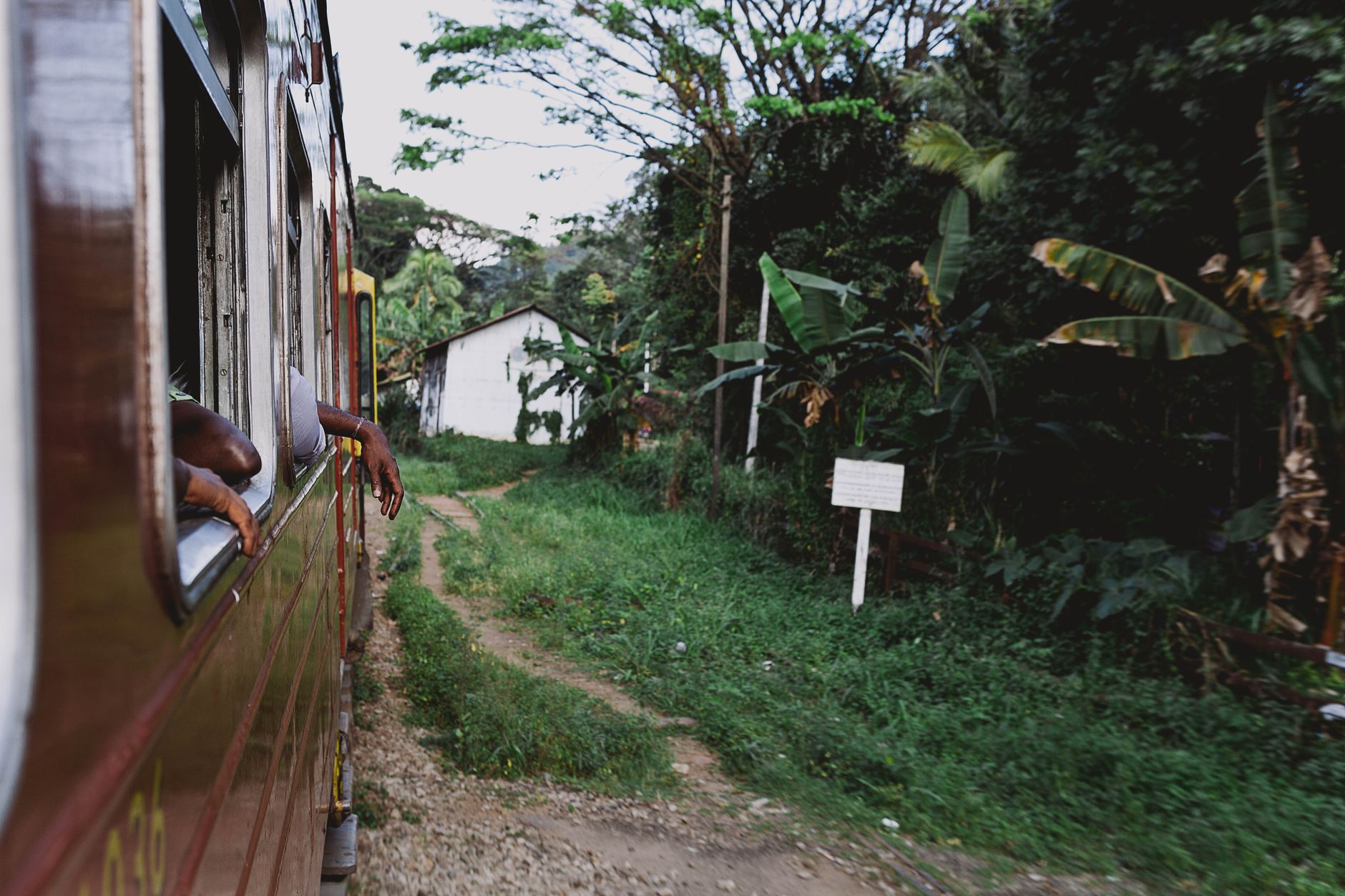
Kalawana is a modest hill-country village that functions primarily as a gateway to Sinharaja rainforest. It's worth visiting if you're committed to rainforest wildlife or tea estate trekking, but not if you're seeking temples, crowds, or obvious attractions. The village itself offers little; its value lies in what surrounds it.
What actually is Kalawana?

Kalawana sits at roughly 1,000 metres elevation in the southwestern hill country, about 40 kilometres inland from Matara. It's not a destination unto itself—there's no major temple, no viewpoint, no market that draws tourists. Instead, it's a collection of scattered houses, tea processing facilities, and small shops clustered along narrow roads. What makes it relevant to travellers is proximity: it's the closest village settlement to the Sinharaja Forest Reserve's Deniyaya entrance and tea estate trekking routes.
The village has no distinct tourism infrastructure. You won't find a tourist office, organised tour operators, or souvenir shops. What you will find is quiet, working tea country where locals manage estates and smallholdings.
Related: Best Hotels in Nuwara Eliya, Sri Lanka
Related: Heritance Tea Factory: Complete Visitor's Guide
Related: Dunes Unawatuna Hotel: Location, Rates & What to Expect
When visiting makes sense

For Sinharaja rainforest access: If you're planning a serious rainforest hike—particularly the Deniyaya sector—Kalawana cuts your approach time by 45 minutes compared to starting from further down the valley. The entrance at Deniyaya is genuinely excellent for endemic bird spotting and forest ecology, especially if you hire a knowledgeable guide.
Best months are December to April (drier season). May to September brings heavy monsoon rains; the forest is lush but trails become slippery and leeches proliferate. November and October are transitional—unpredictable but often quieter.
For tea estate walks: If you have genuine interest in how Ceylon tea is grown and processed—not Instagram tea-picking, but actual estate management—Kalawana's surrounding plantations offer that. Several estates allow guided walks. Early morning (6–8am) is when you'll see workers harvesting two leaves and a bud; the air is coolest and visibility best.
For genuine quiet: If you're retreating from busier hill-country towns like Kandy or Ella, Kalawana delivers isolation. There are no crowds, no tour buses, no hawkers. Expect very basic cafés and a single small supermarket.
What Kalawana is not

It's not a cultural hub. There are no noteworthy temples, museums, or historical sites within the village itself. It's not a scenic viewpoint destination—the landscape is pleasant, tree-covered hill country but without dramatic vistas. It's not a food or craft centre. It's not convenient if you're on a tight schedule bouncing between major towns.
Honest accommodation reality
Kalawana and its immediate surroundings have limited options, and most require advance booking:
River's Edge Resort Sinharaja is the most established proper hotel—a 5-star property positioned as a rainforest retreat. It has electricity, hot water, and decent meals. It's also the most expensive option and geared toward groups and nature-focused tours.
Sueen Nature Resort is another 5-star option in the broader area, though similarly positioned for pre-arranged stays.
Handunkanda Nature Escape (3-star, rated 9.6/10) and Denawaka Planters Bungalow (rated 9.6/10) offer smaller-scale, guesthouse-style stays with authentic colonial or rustic character. These are more genuinely local experiences.
XANADU 1 and Hotel SUMMORA are 3–4 star options, though recent guest feedback is limited.
There is no backpacker hostel in Kalawana proper. If you're independent and flexible, small unregistered guesthouses exist but aren't bookable online—you'd need to ask locally.
Transport reality
Kalawana is not on a main highway. Getting there requires either your own transport or a three-leg minibus journey (Matara → Deniyaya → Kalawana, roughly 2.5 hours total). If you're not staying overnight, budget half a day just for arrival and departure.
The honest verdict
Visit Kalawana if:
- You're doing a multi-day Sinharaja rainforest trek and want to base yourself close to a major entrance
- You're genuinely interested in tea cultivation and estate processes
- You value silence, zero tourism infrastructure, and working landscape over attractions
- You have your own transport or are willing to invest time in minibus journeys
Skip Kalawana if:
- You're visiting Sri Lanka for the first time and have limited days—spend them in Ella, Kandy, or the coast instead
- You expect temples, viewpoints, or visible cultural sites
- You dislike lack of choice in food, accommodation, or activities
- You need reliable public transport
- You're on a tight budget and need cheap guesthouses (the few available are basic and unbooked)
Comparison with alternatives
If you want rainforest access, Ella is 90 minutes away by minibus, has far better accommodation, restaurants, and social infrastructure, yet is still hill-country based. If you want authentic tea country, Nuwara Eliya's estates are more extensive and better-visited.
Kalawana's niche is specific: you're choosing it because you want Sinharaja badly, or because you want hill-country isolation without the tourist machinery of Ella or Kandy.
Practical logistics
Bring enough cash—there's one small supermarket and no ATM. Mobile signal is spotty. Hire a guide if doing rainforest walks; the forest is dense and an English-speaking local naturalist transforms the experience from a walk into genuine wildlife encounters (Sri Lanka's endemic birds, frogs, and insects are remarkable but need expert eyes).
Food is simple: curry, rice, string hoppers, fruit. Most accommodation provides meals; eat at your lodge rather than hunting the village.
Temperature is cool (12–20°C at night, 18–25°C by day year-round). Bring a sweater and waterproof. Leeches in wet months are serious—salt and leech socks are essential if you're walking rainforest trails.
FAQ
How long should I spend in Kalawana? One to two nights maximum, unless you're doing a 2–3 day rainforest trek. A day visit is barely worth the transport effort.
Can I visit Sinharaja without staying in Kalawana? Yes. Other entrances (at Kudawa, further east) are accessible from other bases, though Deniyaya via Kalawana is genuinely good for wildlife.
Is Kalawana safe? Completely. It's a quiet, working village with no crime issues tourists encounter. The only genuine risk is getting lost on unmarked forest trails—hire a guide.
What's the nearest bigger town? Deniyaya is 15 minutes away (small market town). Matara is 45 minutes by minibus and has hotels, restaurants, and transport links if you need a fallback.