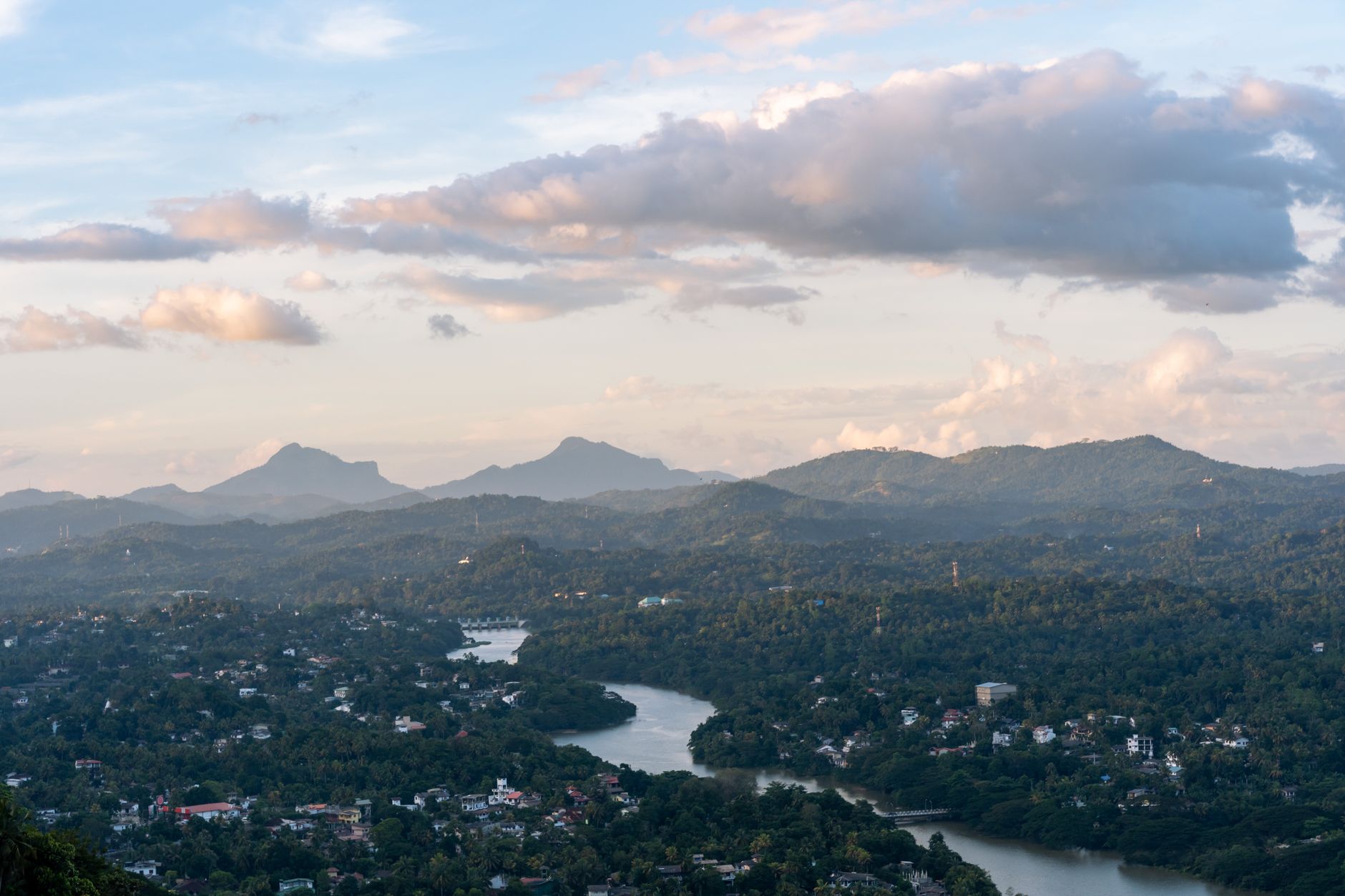
Kurunegala won't deliver the postcard-perfect moments of coastal resorts, but it offers something often missed in Sri Lanka travel: genuine local rhythm, working temples, a functioning market town atmosphere, and affordable stays with real personality. Whether it's worth your time depends on what you're actually seeking.
Kurunegala sits in Sri Lanka's North Western Province, roughly two hours from Colombo and positioned between the cultural triangle to the east and the west coast to the south. It's a working town first—not designed with tourist convenience in mind—which is precisely why some travellers find it rewarding and others find it underwhelming. The honest answer: Kurunegala works best as a base for exploring the region rather than as a destination in itself.
What actually makes Kurunegala interesting?

The town centres on a sacred relationship with water and Buddhism. Four ancient tanks (reservoirs) ring the town—Anotatta, Nalanda, Somawathie, and Athwelukanda—built centuries ago and still functioning as focal points for local life. These aren't manicured park spaces but living landscapes where locals fish, walk, and gather, particularly in early morning and late afternoon light when the quality feels genuinely peaceful rather than constructed for visitors.
Related: Is Bentota Worth Visiting? An Honest Take
Related: Bentota with Family: What Works and What to Skip
Related: Budget Hotels in Weligama: Value Stays on Sri Lanka's South Coast
The Kurunegala Raja Maha Vihara sits prominently on a hillock overlooking the town, visible from most directions. The temple draws pilgrims and locals for puja rather than tour groups, which means you'll experience its rhythms authentically: the smell of incense, the sound of chanting at specific times, devotees leaving offerings. This is working spiritual life, not heritage tourism.
The town's bazaar—particularly the fruit and vegetable markets near the centre—thrums with local commerce. If you're interested in how ordinary Sri Lankan towns actually function, how prices are negotiated, what seasonal produce looks like at source, this is where that happens. You'll see varieties and preparations you won't find in tourist-focused areas.
How does Kurunegala compare to other central Sri Lankan towns?

Kandy, two hours east, offers comparable cultural significance but with far better tourist infrastructure, more refined heritage sites, and considerably more visitors. You'll find better hotels, more dining variety, and clearer narratives for what to see and when.
Matara to the south provides coastal appeal alongside history. Anuradhapura, further east, presents grander Buddhist archaeology and the ancient capital's significance, though it requires more time and planning to appreciate properly.
Kurunegala sits between these poles: less developed than Kandy, less dramatic than Anuradhapura, without Matara's seaside appeal, but cheaper, quieter, and more genuinely local. It's the choice if you want to experience Sri Lankan provincial life rather than curated cultural sites.
Is the accommodation adequate?

Options remain modest. Rivendell Twisted Tree stands out as the most established choice, a 4-star property with genuine guest reviews and reliable standards. For budget stays, White House family stay and The Oasis By Lucky offer basic comfort at modest rates, though service consistency varies.
Unlike Kandy or Colombo, you won't find luxury heritage hotels or design-focused boutiques. Accommodation here is functional rather than experiential—which suits the town's character. If your holiday depends entirely on room aesthetics and service rituals, Kurunegala will disappoint.
What's actually worth doing here?
Walking or cycling around the tanks in early morning, when the light is softer and locals are moving through their routines, creates the kind of unstructured observation that often feels like genuine travel. Stop for kottu roti at a proper local spot (the strands of roti hand-chopped with vegetables and meat right in front of you), sit in a tea shop, listen to how people move through their day.
Visiting the temple during puja times—usually morning and late afternoon—offers insight into how Buddhism functions as daily practice rather than historical monument. You'll observe offerings, chanting, and devotion without the staged feeling of sites mobbed by tour groups.
The nearby Deduru Oya reservoir and surrounding countryside provide walks that locals actually use rather than trails built for tourism. You'll see genuine rural Sri Lanka: agricultural patterns, water management, local economies that don't depend on visitors.
The town's role as a regional commercial hub means you'll encounter Sri Lankan life without the translation layer that tourism often provides.
When should you actually go?
Dec-Feb offers the driest window and most comfortable walking conditions. Visit our Kurunegala best-time-to-visit guide for more detailed seasonal context. Avoid Oct-Nov when humidity peaks and rain arrives regularly.
The honest verdict
Kurunegala is worth visiting if you're genuinely interested in how Sri Lankan towns function beyond tourism, if you want affordability without compromising on authenticity, and if you're comfortable with basic rather than luxury accommodation and dining. It's worth it as a base for exploring the wider region—Dambadeniya temple, Yapahuwa rock fortress, and the tank system are all within reach.
It's not worth visiting if you need reliable English-language information, extensive dining variety, seamless tourist services, or entertainment beyond walking and observing. It's not the destination for your Instagram aesthetic or for ticking off heritage sites with historical narratives spelled out clearly.
Most usefully: consider Kurunegala as part of a broader journey through the North Western Province and cultural triangle, spending two or three days using it as a base for exploring the region rather than expecting the town itself to provide constant engagement. The value lies in the texture of authentic Sri Lankan provincial life—and that's either precisely what you're after, or it's not what your trip needs.
Practical considerations
Bus connections link Kurunegala to Colombo, Kandy, and coastal towns reliably, though journey times can be unpredictable. The railway station connects to Colombo and Kandy with timetables that warrant checking in advance rather than assuming—Sri Lankan rail runs to its own logic. Tuk-tuks are inexpensive and abundant; negotiate fares beforehand if you're not confident.
Food outside established restaurants can be excellent and genuinely cheap, but standards and hygiene vary significantly—eat where locals eat, observe cleanliness yourself, and let your stomach acclimatise gradually to street food. Drinking water should be bottled; most guesthouses provide it.
Cash remains essential; ATMs exist but aren't always reliable, and not all smaller establishments accept cards.
FAQ
Is Kurunegala better than Kandy? No—Kandy offers superior heritage sites, better services, and more developed tourism infrastructure. Kurunegala suits travellers wanting authenticity over convenience; choose based on whether you prefer curated experience or unstructured observation.
How long should I spend in Kurunegala? Two to three days is optimal: enough time to walk the tanks, visit the temple, experience the bazaar, and use the town as a base for nearby sites without things feeling repetitive. A single day works only as a transit stop.
Is it safe? Yes, with standard precautions: avoid displaying valuables, stay aware of surroundings in the bazaar during crowded hours, and use registered tuk-tuks. Kurunegala sees few tourists, so attention from vendors and touts is minimal compared to major destinations.
What's the food situation? Excellent local cuisine at budget prices: kottu roti, lamprais, curry-and-rice combinations, short eats. Tourist restaurants are few; eating where locals eat is both cheaper and more interesting, though hygiene standards vary.