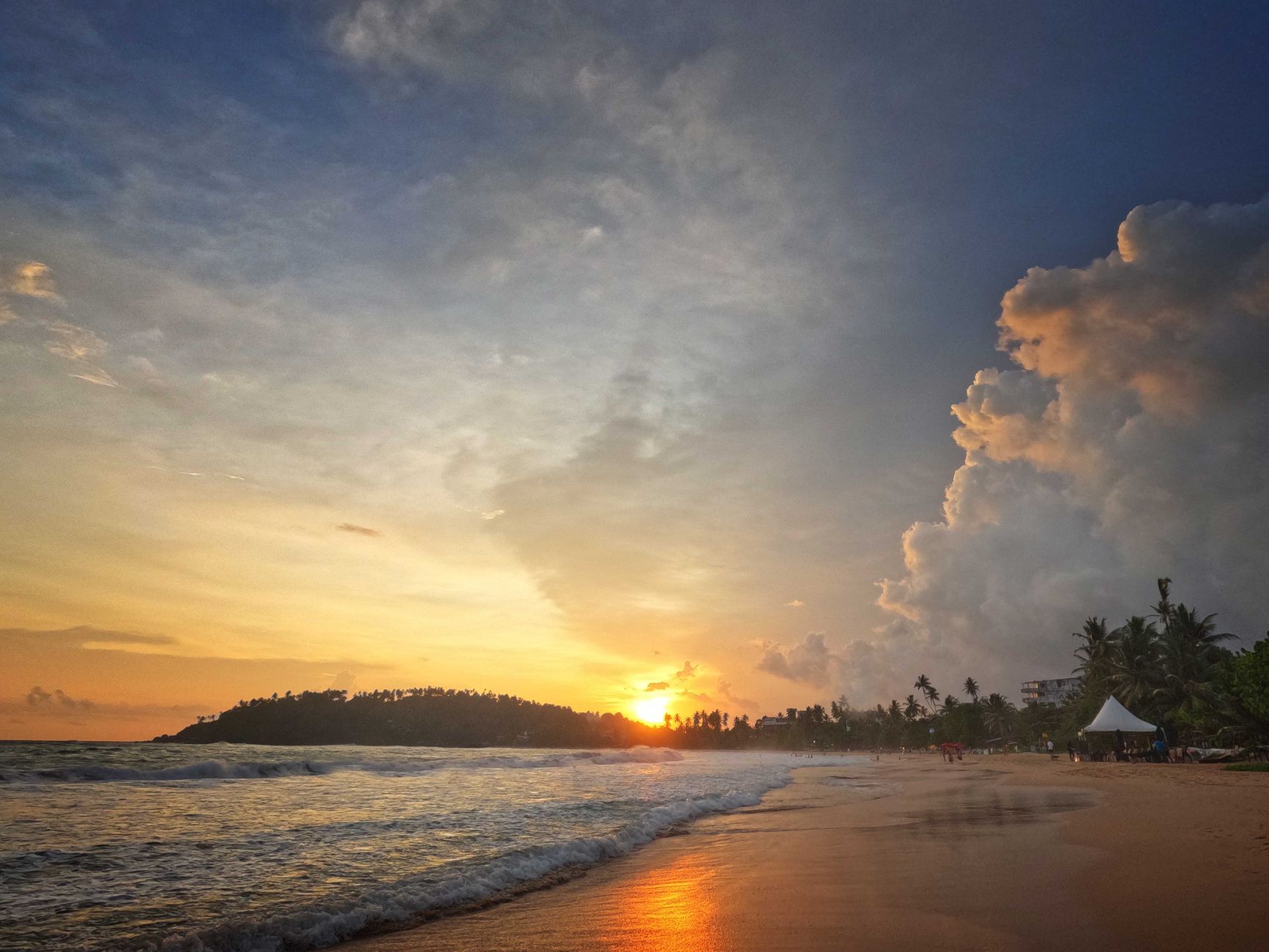
Mirissa is worth visiting if whale watching is your priority. It's Sri Lanka's premier spot for blue whales (November to April) and sperm whales (May to October). The beach itself is small, crowded, and touristy. Prices are inflated compared to other southern towns. Three nights is the sensible limit before the novelty wears thin.
What makes Mirissa genuinely good?
Whale watching is the draw. Boats depart daily at 6 a.m. Trips cost £40–60 per person and last 5–6 hours. Success rates are high in season—around 80% November–April. You'll see humpback whales, sperm whales, and dolphins. It's a legitimate wildlife experience, not a gimmick.
The beach itself is functional. Golden sand, calm water, safe for swimming. But it's narrow and packed with tourists, boat operators, and hawkers. Don't expect solitude or peace.
Related: Galle with family: what works and what to skip
See also: Arugam Bay for Solo Travellers: Safety and Practical Tips
See also: Bentota for Solo Travellers: Safety and Practical Tips
Accommodation ranges from budget to luxury. Bon Accord Mirissa Hotel (2 stars, 9.6/10 rating) offers excellent value at around £25–35 per night. Peacock Villa (3 stars, 9.4/10) is £40–55 and feels more upmarket. For luxury, IMAGINE Villa Hotel (4 stars, 9.2/10) runs £80–120 and justifies the cost with design and service. Mandara Resort Mirissa (5 stars, 7.4/10) is pricier but the rating suggests it doesn't deliver proportionally.
Food is tourist-oriented and marked up. A beach restaurant meal costs £8–12. Local warungs outside the beach area are £3–5. Cook it yourself if your hotel has kitchen access.
What's the honest downside?
Crowds are relentless. December to February sees package-tour overflow. The beach becomes a conveyor belt of sunbathers and sellers. If you're seeking quiet, come May–June (wet season, fewer tourists, lower prices, good whale watching).
Prices are inflated across the board. Boat operators know demand is high and charge accordingly. There's little haggling room. A beer costs £2.50 in Mirissa, £1.50 in Unawatuna 30 km away.
The beach isn't remarkable. It's functional but narrow, backed by a cluttered strip of cafés and shops. It's not Arugambe, it's not Polhena. It's transactional.
Rainfall is heavy May to September. Whale watching still works, but the sea gets choppy. Plan accordingly.
Is three nights reasonable?
Yes. Allocate one full day for a whale-watching trip. Spend a second day on the beach and exploring nearby Polhena or Mirissa Point (rocky outcrop with views). Use the third for recovery or leave early. By day four, you'll have exhausted Mirissa's offerings.
How does Mirissa compare to alternatives?
If whale watching isn't essential, skip it. Unawatuna (30 km north) has a better beach, lower prices, fewer crowds, and still offers whale tours (less reliable but viable). Polhena (5 km west) is quieter, has good snorkelling, and costs less. Matara is a proper working town with local flavour, not a tourist bubble.
For true relaxation without crowds, Talalla Retreat (3 stars, 8.2/10) near Mirissa offers a quieter alternative just outside the main strip.
If whale watching is firm on your itinerary, Mirissa is non-negotiable. It's Sri Lanka's most reliable spot. If it's optional, weigh the hassle and cost against quieter beaches to the west or north.
Timing matters significantly
November to April: peak whale season, peak tourist season, inflated prices, crowded beach.
May to October: wet season, fewer tourists, better prices, still decent whale watching (sperm whales peak July–September), less crowded.
June is underrated. It's wet but whale sightings are solid, prices drop 20–30%, and the beach is manageable. Handagedara Resort (2 stars, 8.6/10) and Hotel Vacanza - Mirissa (2 stars, 8.7/10) offer reliable budget options year-round.
What should you actually do?
Book a whale trip 1–2 days in advance. Prices are fixed; negotiation is pointless. Bring seasickness tablets. The boat ride is rough. Expect 5–6 hours on water. Sunscreen is essential.
Eat dinner in town, away from the beach. Cheaper and better quality. The seafood at beachside spots isn't worth triple the price.
If accommodation feels overpriced, Wavelength (3 stars, 8.2/10) offers mid-range comfort without the premium. Triple O Six (4 stars, 8.9/10) is solid for higher budgets and genuinely good value.
Visit Mirissa Point at sunset if weather allows. Small hike, sea views, fewer tourists than the beach.
The final verdict
Mirissa is worth two to three nights if whale watching appeals to you and you're comfortable with tourist crowds. It's reliable, organised, and delivers on marine life. It's not worth visiting for the beach alone—you'll find better elsewhere. Budget £120–180 for whale trip, accommodation, and meals for two nights. Go in shoulder season (May–June or September–October) for fewer crowds and better value. Don't stay longer than three nights; you'll be bored by day four.
Its primary function is efficient wildlife tourism, not relaxation. Judge it on that basis, not as a beach destination.
FAQ
What's the best time to visit Mirissa? November to April for whale watching reliability. May to June for fewer crowds and still-decent sightings. Avoid August–September for rough seas and July for peak humidity.
How much does a whale-watching trip cost? £40–60 per person. Most tours include boat, guide, and tea. Breakfast sometimes included. Book through your hotel or a tour operator; prices are standardised.
Is the beach worth staying for without whale watching? No. It's narrow, crowded, and lacks character. If you're not doing a whale trip, go to Unawatuna or Polhena instead. Better value, better vibe.
What's the best budget hotel in Mirissa? Bon Accord Mirissa Hotel (9.6/10 rating, around £25–35). Hotel Vacanza - Mirissa (8.7/10, £20–30) is slightly cheaper but slightly lower-rated. Both are solid.