Is Nuwara Eliya Worth Visiting? An honest take
Nuwara Eliya is worth visiting if you want accessible highland scenery, colonial atmosphere, and easy access to tea estates—but only if you accept high prices, tourist crowds, and limited wildness. The 6,000-foot elevation delivers genuine cool-air relief and walkable town charm that few other Sri Lankan destinations match. However, it's not a wilderness retreat, and better value exists elsewhere in the hills.
What actually makes Nuwara Eliya special?
The town sits in a genuine temperate pocket. Walking the main streets early morning, you'll feel actual cool air—a rare sensation in Sri Lanka—and see mist clinging to the golf course edges. The British colonial architecture is real heritage, not fabricated nostalgia: the Post Office (1896), the Grand Hotel's red-brick facade, and tree-lined avenues reflect genuine 19th-century town planning.
Proximity to working tea estates is the strongest draw. From town, you reach Tamil tea-pickers' villages, factory tours, and viewpoints across undulating plantations within 20–40 minutes. Heritance Tea Factory, a repurposed 1920s factory now a 5-star hotel (8.6/10 rating), sits directly amid tea gardens and offers the most immersive stay—you wake to genuine estate soundscapes, not tourist theatre.
Related: Hotels in Hikkaduwa, Sri Lanka: Where to Stay in This Beach Town
See also: Arugam Bay for Solo Travellers: Safety and Practical Tips
Related: The Sanctuary at Tissawewa Colonial Hotel: What to Expect
Hikeable terrain exists: Piduruthalagala (2,524m) offers a steep two-hour scramble with views across the central highlands, and Gregory Lake's 4km loop is a forgiving early-morning walk. The town itself rewards 90 minutes of wandering—the market, colonial mansions, and Victoria Park create a surprisingly coherent atmosphere.
Where Nuwara Eliya falls short
Cost is the first honest problem. Accommodation averages 30–50% higher than towns like Kandy or Ella at equivalent quality. Budget guesthouses run 4,000–6,000 LKR ($15–20 USD); mid-range hotels 12,000–20,000 LKR ($40–65 USD). Meals at tourist restaurants cost 1,500–3,000 LKR per dish—more than elsewhere. A three-night stay (accommodation + food + one guided tea-estate tour) easily exceeds $250 for two people, making it expensive relative to experiences offered.
Crowds and commercialisation are real. The main bazaar and Post Office square fill with tour groups by 10am, especially weekends and holiday periods (May–August, December–January). The town caters heavily to package tourists; local independent travellers often find it feels sanitised.
Wildlife and wilderness are limited. Unlike Yala or Sinharaja, Nuwara Eliya doesn't deliver animals. Birdwatching is possible (Sri Lanka's endemic black eagle occasionally appears at altitude), but you'll see far more birds hiking Ella or Kandy's outskirts. The surrounding landscape is cultivated—tea, vegetable farms, pine forests—rather than untamed.
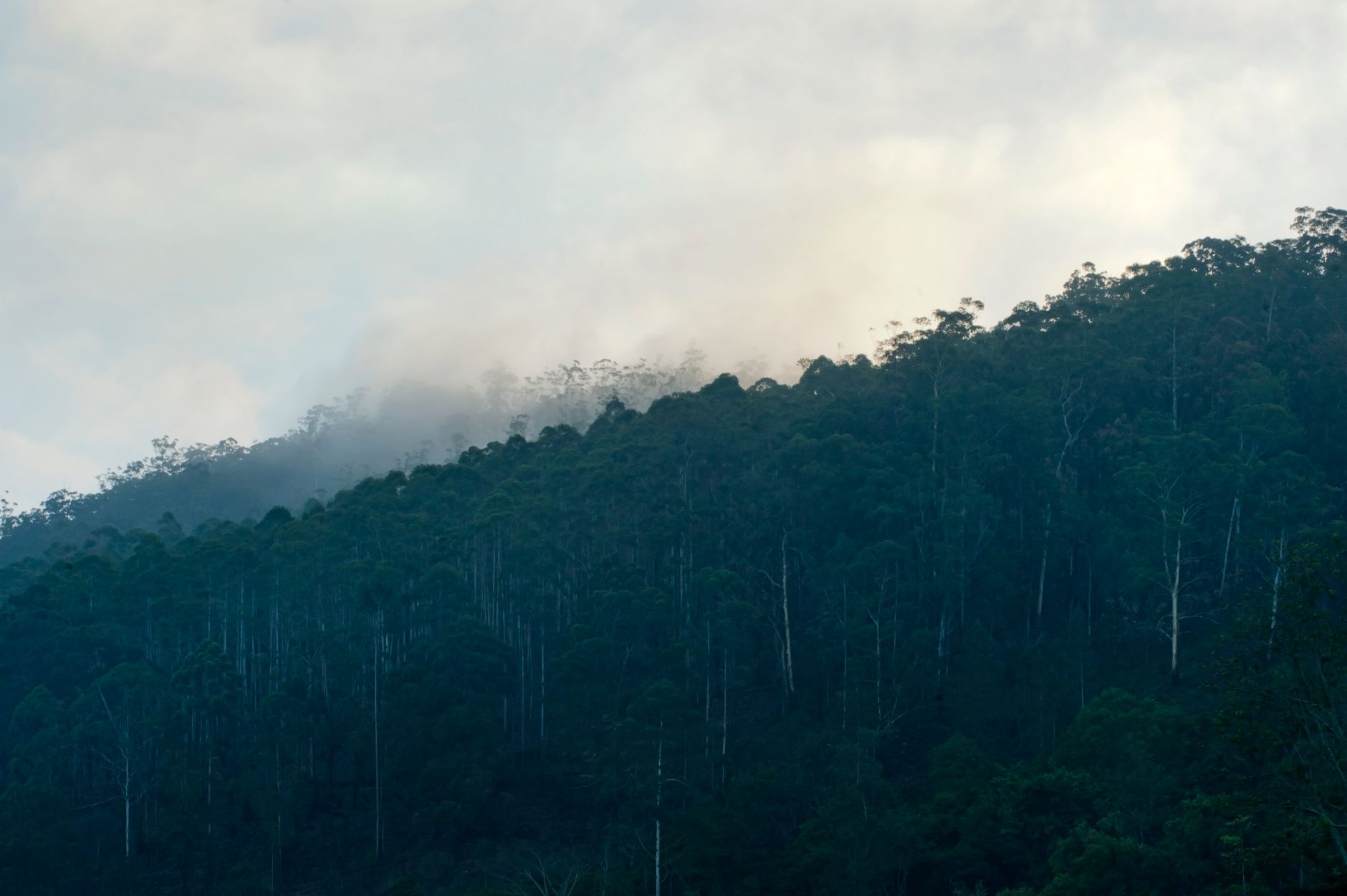
Weather is unpredictable. Mist rolls in thick November–February and May–August, blocking views entirely for days. Unlike lower elevations with reliable dry spells, highland mist can trap entire days indoors. The "cool" climate also means layers are essential year-round; sun exposure is intense at altitude.
When Nuwara Eliya actually adds value
Visit if you're doing one of these itineraries:
Tea estate deep-dive. Spend two nights based here, hire a driver to visit multiple estates, meet pickers and factory staff, and understand cultivation cycles. This requires time and curiosity; a rushed afternoon stop wastes the opportunity and the expense.
Colonial heritage interest. If you specifically want to experience British-era highland town architecture and atmosphere, Nuwara Eliya is the only authentic example at scale in Sri Lanka. The Post Office, golf course, and Grand Hotel's mahogany interiors justify a night for heritage enthusiasts.
High-altitude relief. If you're spending weeks in humid lowlands and genuinely need cool air and respite, three nights here resets your body. The difference between 30°C (Colombo) and 16°C (Nuwara Eliya) is physically noticeable and medicinal.
Accessible highland base. For visitors with limited mobility, Nuwara Eliya offers mountain scenery without strenuous hiking. Gregory Lake loop and town walks are achievable; Piduruthalagala and Horton Plains are not.
Better alternatives if you're unsure
If your priority is mountain scenery + trekking, Ella (3.5 hours south) delivers Ella Rock hike, Little Adam's Peak, and Ravana Falls with far better value—accommodation 40% cheaper, fewer tour groups, and genuine trails through tea and jungle.
If you want temperate climate + less tourism, Kandy sits lower (500m) but fewer visitors choose it as a highland base; you get colonial sites (Temple of the Tooth) with cooler evening air, 90 minutes from Nuwara Eliya.
If tea estates are your goal without the town premium, stay in Ramboda (between Kandy and Nuwara Eliya) or Ella's outskirts; you'll reach estates with 50% lower accommodation costs.
Who should absolutely skip it
- Backpackers on tight budgets (every rupee stretched to days, not nights)
- Hikers seeking serious wilderness (Horton Plains and trekking routes exist, but the town isn't a base for them; you stay here then travel elsewhere)
- Visitors planning less than 48 hours in the hills (travel to Nuwara Eliya eats time; Ella or Kandy serve better as quick stopovers)
- Those who dislike crowds or organised tourism atmosphere
Accommodation reality check
For the budget tier, Villa Cassandra (3-star, 8.9/10 from 323 reviews) punches above its price with character and garden space. Ferncliff Bungalow (4-star, 9.0/10 from 269 reviews) offers exceptional value—heritage building with modern comfort.
Mid-range: Araliya Green Hills Hotel (4-star, 8.3/10 from 452 reviews) has reliable service and viewpoint location.
For splurging, Grand Hotel (5-star, 8.6/10 from 759 reviews) delivers colonial luxury with fireplaces and period interiors; it justifies cost if you're here specifically for that experience. The Hill Club (4-star, 8.5/10 from 779 reviews) offers similar heritage atmosphere at slightly lower price.
The honest verdict
Nuwara Eliya is worth 2–3 nights if you're already in the central highlands and have budget flexibility. The colonial town walk, cool air, and proximity to tea estates deliver genuine experiences unavailable elsewhere in Sri Lanka. The cost is high; the atmosphere can feel touristy; and better value alternatives exist for hiking or accommodation alone.
Visit if tea culture and highland colonial heritage appeal to you. Skip if budget is tight or you're chasing wilderness—your money works harder in Ella or Kandy.
FAQ
Is Nuwara Eliya safe for solo travellers? Yes. The town is walkable, well-patrolled, and caters to independent visitors. Standard precautions apply (avoid walking alone very late, use registered taxis); safety isn't a concern.
What's the best time to visit? January–March offers the driest, clearest weather and cool temperatures (12–18°C). Avoid May–August and November–February's mist season if views matter; these months trap the town in cloud for days.
Can I see waterfalls near Nuwara Eliya? Yes: Ramboda Falls (30 minutes south) and Lover's Leap (20 minutes) are accessible. Neither rivals Ella or Kandy-area falls; Nuwara Eliya is better for tea and colonial sites than waterfall tourism.
How long should I spend here? Two to three nights is ideal—one full day exploring town and Gregory Lake, one guided tea-estate tour, and one travel day. More than four nights risks boredom unless you're hiking Horton Plains or Piduruthalagala extensively.