What makes Jetwing Sea stand out in Negombo?
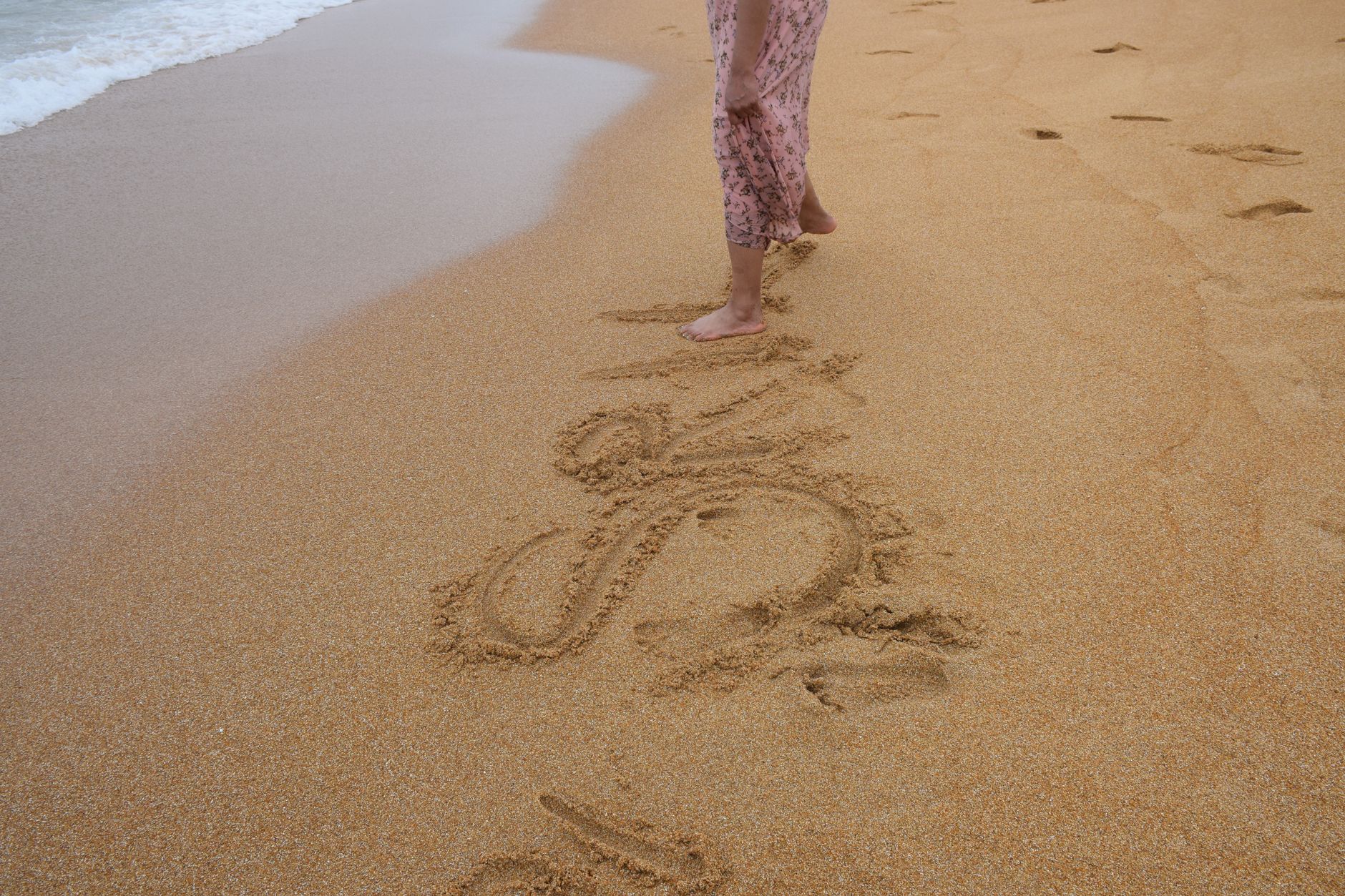
Jetwing Sea occupies a rare advantage in Negombo: direct beach access coupled with lagoon frontage. You step from your room onto sand, not a busy street. The property sits north of Negombo town's fishing fleet, so sunrise swims lack the diesel smell and nets that characterise the southern beach. The lagoon side offers calmer water for kayaking and provides the muted, sheltered views many travellers seek after a flight.
Unlike guesthouses crammed into town backstreets, Jetwing Sea trades street-food convenience for silence. That trade-off suits those planning diving trips, boat excursions, or simply wanting to absorb the Indian Ocean's rhythm without haggling for tuk-tuks.
Room types and what to expect
The property offers sea-facing and lagoon-facing rooms, plus a blend of garden accommodation. Sea-facing units deliver sound sleep to the rhythm of waves; the ones at ground level let you slip onto the beach within seconds. Lagoon rooms face calmer water and catch better sunrise angles, though the view lacks the vastness of open ocean.
Related: Kandalama Hotel Location: Access Routes and Surroundings
Related: Nuwara Eliya for Solo Travellers: Safety and Practical Tips
Related: Sumatipāla nāhimi Hermitage: Access, Trails & Visitor Guide
Typical rooms include air conditioning, ensuite bathrooms, and either a balcony or patio. Furnishings lean beige and minimal—functional rather than Instagram-led design. That simplicity means the sea view dominates, not competing artwork. Natural light drives through large windows, and cross-ventilation works well during monsoon season when the sea breeze pushes through.
Swimming and water activities
The beach in front slopes gradually; swimmers can wade into waist-depth water within 15 metres. The sand varies—coarser in monsoon months (May–September) after storms churn the seafloor, finer during the dry season. Water temperature ranges from 26°C (January–March) to 29°C (July–September).
The lagoon side suits different water pursuits. Traditional outrigger canoes and kayaks operate from the lagoon; Jetwing Sea can arrange these, either half-day paddles (typically two hours) or longer explorations. The lagoon's brackish water and mangrove edges attract water birds—herons, kingfishers, cormorants—making early morning paddles rewarding. You'll see fishermen casting nets, a sight more authentic than the Instagram versions.
Body surfing works on the ocean side during rough swells (July–September), though the beach is not purpose-built for board sports. Snorkelling is not strong here; the nearshore water lacks coral and fish density compared to the south coast.
Dining options
The restaurant overlooks the beach with tables positioned to catch sea breezes. Menu leans toward Sri Lankan and international standards: kottu roti, fish curries, grilled seafood, pasta. Buffet breakfasts include hoppers, cutlets, fresh fruit, and strong filter coffee. Quality is hotel-standard—reliable, not exceptional.
Negombo town lies a 10–15 minute tuk-tuk ride south, where beachfront fish restaurants offer fresher, cheaper catches and livelier atmospheres. Expect to pay half the hotel rate for comparable portions. That 20-minute round trip is worth it if you want authentic lagoon fish prepared to your preference.
Best time to visit
December to March offers calm seas, clear skies, and the most reliable swimming. Water temperature sits at a cool 26°C, refreshing after heat. This period coincides with European winter holidays, so expect full occupancy and higher rates.
April–May sees brief afternoon showers and warmer water (28°C), with fewer tourists. Humidity climbs noticeably.
May to September is the southwest monsoon. The beach becomes rough, generating swell but choppy conditions for casual swimming. Rain falls in intensive bursts, usually mornings or evenings. Rates drop significantly, and the property feels quieter. If you're comfortable with weather unpredictability, this season suits those prioritising solitude over perfect beach days.
October–November is transitional: erratic rain, patchy sun, moderate crowds. Not ideal, though rainfall is less intense than monsoon months.
Getting there and location context
Negombo lies 35 km north of Colombo's Bandaranaike International Airport—roughly 45 minutes by road. Most visitors arrange airport transfers through their hotel (typically one-way rates range from 3,000–5,000 LKR). The lagoon road is decent, though heavy traffic near Colombo can extend journey times during rush hours (early morning, late afternoon).
The town itself is functional but gritty: fishing industry dominates, tourism is secondary. That's its appeal if you want Sri Lanka without sanitisation. The lagoon's brackish water and mangrove ecosystems feel genuinely lived-in, unlike developed beach resorts further south.
Comparison with nearby alternatives
Negombo's beachfront accommodation splits into two camps: backpacker guesthouses in town centre (noisier, cheaper, sociable) and resort-style properties like Jetwing Sea (quieter, dearer, beachfront-focused). Jetwing Sea sits between budget guesthouses (around 3,000–6,000 LKR per night) and full-scale resorts further north.
The lagoon access is unique to this property in Negombo. Most guesthouses have no water activities beyond beach walks. The calm lagoon opens kayaking and boat trips that work well with young children or those avoiding ocean swell.
If you're planning a Sri Lanka beach loop, Negombo suits the beginning or end of a journey—proximity to the airport makes it practical for arrival days or final nights. It's not a three-day beach destination like Mirissa or Unawatuna; one or two nights suffices unless you're diving.
Nearby activities beyond the hotel
The Negombo Lagoon's mangrove edges can be explored by boat (arranged through the hotel or local operators). Birdwatching is strongest November–April when migratory species arrive. Local guides can point out white ibis, little egrets, and occasionally painted storks. Boat trips typically run 1–2 hours and cost 2,500–4,000 LKR per person.
Fishing trips at dawn appeal to some—you'll head out with local fishermen, cast nets, and return by 7 a.m. with your catch (prepared for breakfast). This is genuine work, not a tourist performance.
Colombo's museums, markets, and colonial architecture lie 45 minutes south if you want a city day. The journey is worth it once during a stay, though Colombo traffic is dense and exhausting.
Practical details
Wifi is available but intermittent—typical for coastal Sri Lanka. Mobile networks work reliably. Electricity is 230V, UK-standard three-pin sockets. The property has generators for load-shedding, though cuts are rare in Negombo.
Tipping is not expected but appreciated (10% on meals if service is strong). Local money changers offer reasonable rates; avoid airport exchanges. Malaria risk is low in Negombo but present year-round; antimalarials are optional but many travellers take them.
FAQ
Is Negombo suitable for a first night after arrival? Yes. It's 45 minutes from the airport and requires minimal planning. One night here lets you acclimatise, swim, and sleep before heading south. The beachfront position at Jetwing Sea means you can recover from travel fatigue without town centre noise.
Can I snorkel from the beach here? Not effectively. Nearshore water lacks coral and reef fish. Snorkelling is stronger further south (Hikkaduwa, Mirissa) or on islands (Pigeon Island near Trincomalee). The lagoon is murky and brackish, unsuitable for snorkelling.
What's the sea temperature like? Coolest in January–March (26°C), warmest in July–September (29°C). Most swimmers find 27–28°C comfortable; anything below 26°C requires a wetsuit for extended time.
Is the beach safe for solo swimmers? Yes, though the bay is busy with fishing boats and occasional cargo vessels. Stick to mid-morning and afternoon when visibility is best. The gradual slope means you can wade confidently, and the hotel can point out safe zones.