Kinniya for Solo Travellers: Safety and Practical Tips
Kinniya, a quiet fishing town on Sri Lanka's east coast, welcomes solo travellers with genuine warmth and manageable logistical challenges. The town is safe, affordable, and offers an authentic experience away from established tourist circuits, though you'll need to plan ahead for amenities and transport.
Is Kinniya safe for solo travellers?
Yes. Kinniya is significantly safer than many tourist hubs, primarily because it receives fewer visitors and remains genuinely local in character. The fishing community here is accustomed to occasional outsiders, and petty crime is rare. Women solo travellers report feeling comfortable walking through town during daylight and early evening, though as with anywhere, basic awareness matters—avoid displaying expensive cameras or jewellery, and keep valuables in your accommodation.
The main considerations are practical rather than security-focused: Kinniya has minimal English-language signage, internet can be patchy, and late-night transport isn't reliably available. Police presence is visible but unobtrusive. Locals, particularly shop owners and guesthouse staff, are genuinely helpful to visitors who show respect for local norms.
Related: Is Trincomalee Worth Visiting? An Honest Take
Related: Sumatipāla nāhimi Hermitage: Access, Trails & Visitor Guide
Related: Is Kinniya Worth Visiting? An Honest Take
Getting around Kinniya independently
Kinniya is small enough to explore on foot, though understanding local transport options gives you flexibility. The town's main stretch—shops, fish market, and beachfront—is walkable in 30 minutes. Tuk-tuks are abundant and cheap (typically 150–300 LKR for short journeys), and drivers are accustomed to tourists, though few speak English; knowing the name of your destination written down or on your phone helps significantly.
Buses connect Kinniya to Trincomalee (25km north, 45 minutes, around 150 LKR) and southbound routes to Batticaloa, running regularly throughout the day. Intercity buses stop at the main junction; ask your guesthouse which stop serves your destination, as some only halt at specific points. For journeys outside town, arrange tuk-tuks directly or through your accommodation the evening before.
Renting a motorcycle or bicycle isn't common tourist practice here, but guesthouses occasionally facilitate informal arrangements. A bicycle is genuinely useful if you're staying more than a few days, allowing you to reach nearby lagoons and quiet beaches without transport hassles.
Practical accommodation and staying comfortable
Calm and Relaxing Place offers basic guesthouse accommodation with fundamental amenities; expect clean rooms with consistent water and fans, though air-conditioning may be limited to higher-priced options. Book in advance during peak season (May–September, when domestic tourists visit), as inventory is limited. Most guesthouses accept walk-ins but confirm availability by phone or message first.
Accommodation here prioritises authenticity over luxury. Expect friendly owners who often provide informal guides or advice about local restaurants and activities. Many guesthouses have outdoor seating areas where solo travellers naturally connect with other guests, which can ease the solo experience.
Mobile reception (Dialog and Airtel networks are strongest) and electricity are reliable, though internet speed varies. Download offline maps before arrival, particularly if you plan to venture beyond town. Many guesthouses offer paid Wi-Fi or allow you to use the common area for free connectivity.
Money, food, and daily essentials
Kinniya operates almost entirely in cash. There's no ATM in town—the nearest reliable machines are in Trincomalee, so withdraw sufficient cash there before coming. Most guesthouses accept card payments, but restaurants, shops, and transport don't. Budget daily spending around 2,000–3,500 LKR for food and incidentals (guesthouse costs separate).
Food is the genuine highlight. The fish market (busiest before 9am) sources incredibly fresh catch that local restaurants cook to order—grilled or curried kingfish, prawns, and squid cost a fraction of tourist-area prices. Street food includes kottu roti, lamprais, and fresh fruit juice at roadside stalls. Eat where locals do: the simple open-front restaurants near the market serve exceptional seafood. Rice and curry at local spots costs 300–600 LKR.
Groceries and toiletries are available at general shops and the small supermarket, though selection is limited and prices slightly higher than larger towns. Bring any specific medications, toiletries, or dietary supplements you rely on; pharmacies here stock basics but not specialised items.
Cultural respect and practical etiquette
Kinniya is a Muslim-majority fishing community with a significant Hindu population. Dress respectfully—cover shoulders and knees, particularly when visiting temples or mosques or walking through residential areas. Beach swimming is acceptable, but modest swimwear is preferable to bikinis.
Ask permission before photographing people, particularly at the fish market or during prayer times. Greeting shop owners and guesthouse staff with a simple "Ayubowan" (Sinhalese) or "Vanakkam" (Tamil) sets a friendly tone and is genuinely appreciated. Learning even basic Tamil phrases is disproportionately valued here, where English fluency is uncommon.
Ramadan (timing changes yearly; check 2026 dates in advance) affects restaurant hours and general atmosphere—some places close midday, reopening after sunset. It's not restrictive for tourists, but awareness helps you plan meal times.
What to do solo in and around Kinniya
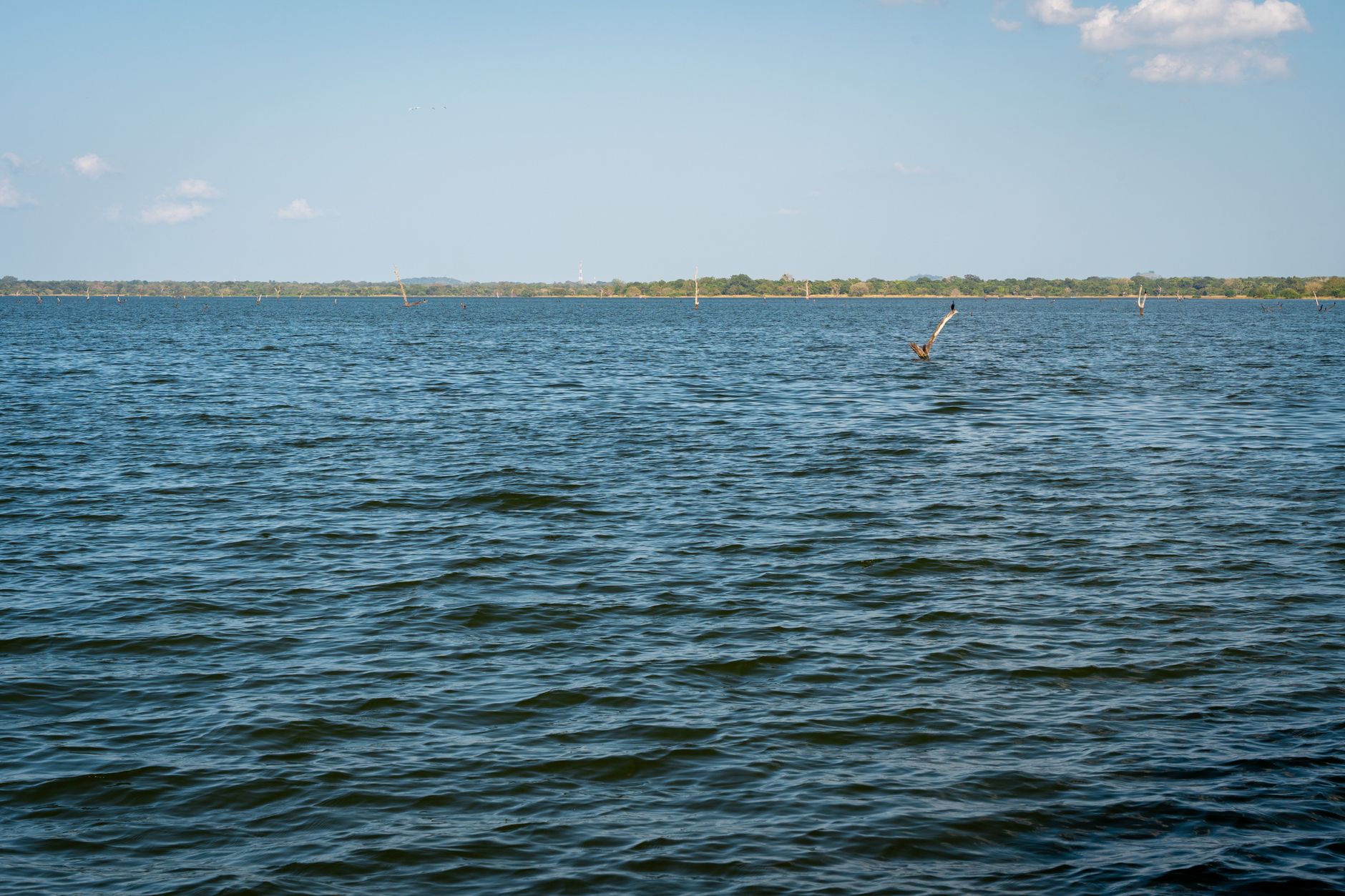
Beyond the beachfront, explore the lagoons by hiring a boat through your guesthouse (typically 2,000–3,000 LKR for two hours)—you'll see migratory birds, fishing villages, and mangrove ecosystems. The Verugal Lagoon particularly rewards early-morning visits. Swimming at quieter beaches north and south of town is possible during calm seasons; ask locally about conditions, as undertows vary.
Trincomalee, a 45-minute bus ride away, offers cultural sites (Koneswaram Temple, Fort Frederick) and better tourist amenities if you want a day trip. Batticaloa's Dutch Fort and lagoon are reachable southbound, though require a longer journey; plan these excursions carefully to avoid returning too late.
The fishing community itself is worth observing: early mornings at the market reveal the day's catch being sorted and auctioned, offering genuine insight into coastal livelihoods and requiring no formal tour.
Internet, phone, and staying connected
Purchase a local SIM card (Dialog or Airtel) in Trincomalee before arriving, or ask your guesthouse to arrange one. Mobile data is reliable for messaging and maps but can be slow for streaming. Download offline Google Maps and any translation apps before arrival.
Internet for emails and video calls works best during early mornings or late evenings; don't rely on video calls during midday. Guesthouses often provide a designated area with better connectivity than rooms.
Health and emergency considerations
Kinniya has a basic medical clinic; anything serious requires travel to Trincomalee Hospital or Batticaloa. Travel insurance covering evacuation is genuinely important. Drink bottled water (available everywhere), avoid unpeeled fruit from unknown sources, and use sun protection consistently—the reflection off water and light sand intensifies UV exposure. Mosquitoes are active, particularly at dawn and dusk; bring insect repellent or purchase locally.
When to visit as a solo traveller
November to April offers calm seas and drier weather, making this the ideal window for beach activities and boat trips. May to September brings domestic tourism and lively beach atmosphere, though weather is less predictable. October and May can see rough seas, limiting lagoon activities. Solo travellers benefit from visiting during shoulder seasons (April or October) when accommodation is available but crowds are minimal.
FAQ
Is English spoken in Kinniya? Limited English is spoken by guesthouse owners and some shop staff, but not widely. Learning basic Tamil or Sinhalese phrases, downloading a translation app, and carrying written destination names are essential strategies.
Can I safely visit the fish market alone? Absolutely. The market is busy, well-lit, and welcoming. Visit early morning for peak activity. Wear respectful clothing, ask before photographing, and be aware of wet floors and sharp fish spines. Shop owners often help solo visitors navigate purchases.
What's the nearest ATM to Kinniya? The most reliable ATMs are in Trincomalee, 25km north. Withdraw sufficient cash before arriving in Kinniya, as cash-only transactions dominate here.
How do I arrange boat trips or local guides? Ask your guesthouse—they have established relationships with local boatmen and can arrange trips with fair pricing. Avoid approaching fishermen directly unless you've established rapport, as communication can be difficult.