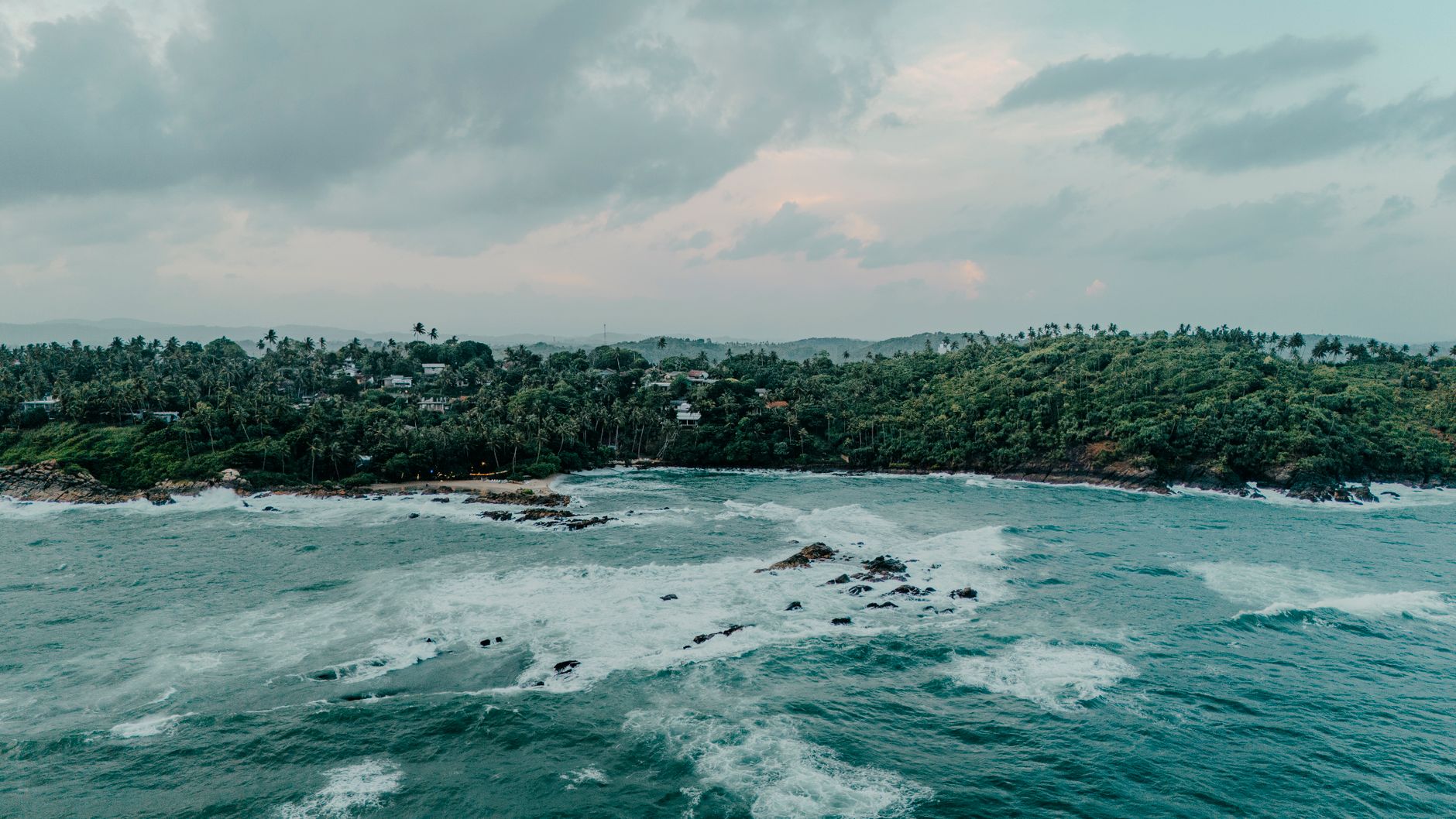
Mawella Beach is the softer, calmer sibling to Tangalle's busier coastline. Tucked into a shallow bay just west of Tangalle town, it's protected by rocky headlands that create a natural harbour effect—meaning you'll find glassy water here when other southern beaches are churned up. The sand is warm golden-beige, the reef is close enough to snorkel from the shore, and genuinely few tourists know to come here.
What makes Mawella different from other Tangalle beaches?
Tangalle's main beach—a curved stretch in front of the town—handles most foot traffic. Mawella, by contrast, sits in its own quiet cove. The rock formations at both ends do something crucial: they block swell and keep the water shallow and translucent. Where Tangalle's central beach can feel exposed and churned up in the monsoon, Mawella often stays swimmable because of that geographic shelter. You'll wade into water that stays waist-deep for a good 40 metres, making it genuinely safe for moderate swimmers and snorkelling families.
The reef structure here is modest but livelier than you'd expect. Parrotfish work the shallow sections, fusiliers school in patches, and small groupers shelter in the rocks. It's not Mirissa-level biodiversity, but it's worthwhile for an hour's snorkel, especially if you time it around mid-morning light.
Related: Heritance Tea Factory: Complete Visitor's Guide
Related: Best Hotel in Kandy Sri Lanka: What Actually Matters
Related: Way of the Bay, Arugam Bay: A Complete Guide
When should you visit?
Mawella works year-round, but timing matters. May to September is the window when the southern coast stabilises. The southwest monsoon is happening, but Mawella's bay orientation means it catches less direct swell than open beaches. You'll get consistent, predictable conditions—usually 0.5–1 metre waves maximum.
June and July are the quietest months for tourists, though water visibility can vary (40–50 metres on good days, 20–30 on murky ones). August and September improve visibility but bring more local families at weekends.
December to March is the dry season proper. The water is clearest (often 50+ metres), and weather is stable. But this is also when tour groups are heaviest across Sri Lanka. Mawella stays quieter than tourist-choked beaches, yet you'll see more people here than in June.
October and November are transitional—occasional rain, unpredictable swell. Swimmable most days, but less reliable.
Arrive early (7:30–8:30 a.m.) to beat even the modest crowds, and to catch better light for photography and snorkelling.
How to get there and what to bring
Mawella is a 15-minute walk west along the beach from Tangalle town centre, or a five-minute tuk-tuk ride. If walking, start from the main Tangalle Beach and head left (west); you'll pass the small fishing boats and rock outcrops, then the bay opens into Mawella proper. Parking is informal—a flat sandy area at the bay's western edge where locals and a handful of visitors leave vehicles.
There are no facilities here (no cafés, lifeguards, or changing rooms). Bring water, snacks, sunscreen, and a lightweight rash guard. The sand gets scorching by midday. If you're snorkelling, bring or hire mask-and-fins from Tangalle town—a 10-minute walk back—where guesthouses and beachfront shops rent gear for 800–1200 LKR per person.
The sea bed is coral and rock, so water shoes are worth considering if you have tender feet or plan to wade into the reef zone.
Snorkelling logistics
Enter from the beach's centre and wade left (west) toward the rocks. The reef sits 5–15 metres out; you'll be in 1.5–3 metres of water. Visibility is clearest mid-morning, especially on clear days. Fish activity peaks around 8–10 a.m. and again late afternoon (3–5 p.m.). The reef itself is not pristine—some coral bleaching is visible—but it supports enough life to hold attention for 45 minutes to an hour.
If you're not confident in open water, stay in the shallows (under 2 metres) closest to shore. Current is usually minimal in the bay, but check conditions with locals before entering.
How Mawella compares to nearby beaches
Tangalle Main Beach: More sheltered than Mawella, with better tourist infrastructure (restaurants, shops, guesthouses), but busier and less scenic. Better for families who want convenience; Mawella suits those after quietness.
Mirissa (40 km west): Famous for whale-watching and nightlife. Bigger reef, more fish, but also significantly busier—especially December–March. Mawella is a better choice if you want snorkelling without crowds.
Polhena Beach (10 km west): Another calm bay with a reef, similar vibe to Mawella but slightly better coral health. If Mawella doesn't appeal, Polhena is the next logical stop.
Mullaitivu Beach (8 km east): Sandy, open, less sheltered. Better for long walks and sunsets; worse for swimming stability.
For most people, Mawella wins on the criteria of: sheltered water + snorkelling + minimal crowds + genuine safety.
Practical notes
Toilets: Use facilities in Tangalle town (3–5 minutes walk back).
Swimming safety: The bay is genuinely safe, but always check conditions with locals before entering. Rip currents are rare here due to the bay's shape, but rocks at both ends mean respect the boundaries.
Seasonal hazards: Jellyfish are occasional in October–November. If you see a few near shore, avoid that patch. Urchins live in rock crevices, so wear shoes if wading there.
Photography: Golden hour (6–7 a.m. and 5–6 p.m.) bathes the bay in warm light and highlights the water's clarity. The rocks create natural frames for wide-angle shots.
Why most travellers miss it
Mawella isn't on main tourist maps. Guidebooks mention Tangalle, then jump to Mirissa or Ella. The beach lacks the infrastructure (shops, hotels directly on sand) that market a beach internationally. That's precisely why it remains quiet. If you're passing through Tangalle and want an easy, genuine reward—a proper swim in calm water with fish—Mawella delivers without the circus.
FAQ
Is Mawella safe for swimming? Yes. The bay is sheltered, shallow, and calm. Check with locals about current conditions, but it's one of the safer southern beaches. Avoid wading into rocks after dark.
Can I snorkel if I'm not confident? Yes. You can snorkel in water 1–2 metres deep near shore and see fish and coral fragments. The reef is close and accessible without going deep.
When is the water clearest? January to March, and September to October. Visibility often exceeds 40 metres on calm days. June–July can be murkier (20–30 metres) due to run-off, but still worthwhile.
What's the nearest town for supplies? Tangalle, a 10-minute walk or short tuk-tuk ride away. Guesthouses, restaurants, and shops are concentrated on the main beach and central roads.