Direct Answer
Mirissa Hills are a network of accessible coastal ridges and headlands near the southern fishing village of Mirissa, best explored on foot via 2–4 hour loops. Clear trails ascend to viewpoints overlooking the Arabian Sea; November to March offers the most reliable whale sightings and stable weather. Most walks are moderate intensity—steep in short bursts—and require no guide for orientation.
Where Are Mirissa Hills & What to Expect?
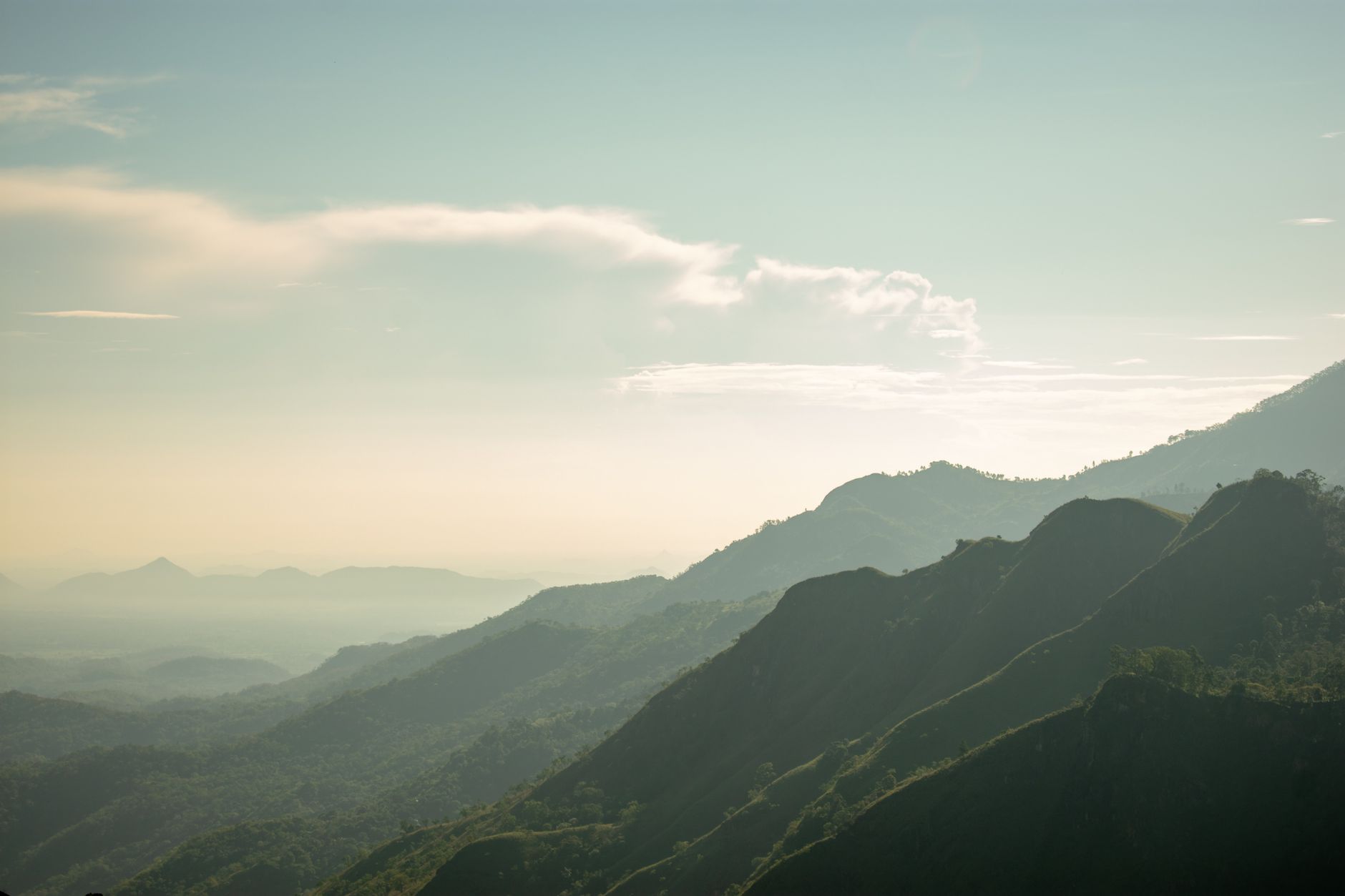
Mirissa lies 35 km east of Matara on Sri Lanka's south coast. The "hills" are not a formal range but a series of forested headlands and grassland ridges that rise 80–150 m above the shoreline. What distinguishes them from typical beach walks is elevation: you climb steeply for 20–30 minutes, then traverse open clifftop pasture with unobstructed seascapes. The vegetation shifts from coconut and scrub palmyra at sea level to drier grassland above, dotted with thorny shrubs and occasional flowering bushes (especially November–January).
The area feels genuinely quieter than Mirissa beach itself. You'll encounter local herders moving cattle through the grass, the thermal updrafts that attract brahminy kites and occasionally tawny eagles, and the sound of the ocean from every high point. Trails are worn but unfenced; a map or GPS track is useful if you're not with a local guide.
Related: Gal Oya with Family: What Works and What to Skip
Related: Tamara Motels in Hikkaduwa: Budget Beach Stays Explained
Related: Is Ambalantota Worth Visiting? An Honest Take
Best Walking Routes & Timing
The Parrot Rock Loop is the most popular circuit. Start from the northern edge of Mirissa village (near the junction where the main road meets smaller lanes descending to the beach). The path climbs steeply through a cashew plantation and acacia woodland for roughly 25 minutes, emerging onto a breezy grassland plateau. A distinctive boulder formation (Parrot Rock) marks the summit at around 140 m. The plateau walk itself is gently rolling, with panoramic views west towards Matara and east towards Unawatuna. On clear mornings (October–March), you can see fishing boats far offshore and, if you're fortunate, the distinctive blows and backs of blue whales cruising parallel to the coast. The descent loops back down the eastern flank, passing through thin forest and emerging near a temple. Total time: 2.5–3 hours.
The Cliff Edge Walk departs from the southern end of Mirissa Beach and follows the coastline eastward, clinging to grassy slopes with direct sea views. This route is less crowded than Parrot Rock and better for whale watching from a stationary position (you're not climbing and descending). The ground is uneven and steep in places; proper footwear matters. You can walk for 1–2 hours in either direction before the terrain becomes overgrown. The advantage here is consistent ocean exposure; blue whale pods often pass within 500 m of this coastline during their northbound migration (November–December) and southbound return (March–April).
The Temple Ridge Trail connects Mirissa to nearby Welligama by an inland ridge walk, passing a small temple complex and several scenic benches. This is flatter than Parrot Rock and suits walkers wanting longer distance without intense elevation. Allow 3–4 hours one-way; arrange a return ride or walk back.
Whale Watching from the Hills
Mirissa has become a legitimate whale-watching hub, and the hills offer a free, stationary alternative to boat tours. Blue whales and sperm whales migrate along this coast; fin whales and occasional humpbacks appear less frequently. November to March is peak season, with December and January typically the busiest months.
From the cliff-edge viewpoints, whales are visible as dark shapes or characteristic blows (the spray pattern of their breath). A 10× binocular or a telephoto lens helps, but sightings at 800 m+ are often visible to the naked eye if you know what to look for: a sudden white plume on the water, followed by a slow-moving dark back. The hills give you duration—you can sit for 2–3 hours watching a mile of ocean—rather than the disorientation of a moving boat.
Whale sighting odds depend on season, sea state, and luck. On a calm, clear December morning, it's common to spot at least one cetacean. In April or September, sightings are rare. Avoid afternoons when haze often obscures the horizon; dawn and early morning (6:00–10:00) are optimal.
Flora, Fauna & Seasonal Patterns
The grassland plateaus host cattle, monitor lizards (often 1.5 m long), and rock hyraxes sheltering in crevices. Birdlife is reliable: brahminy kites soar overhead year-round, white-bellied sea eagles occasionally appear, and the open grass attracts cisticola, munias, and chestnut-headed bee-eaters. Insects are abundant; you'll encounter grasshoppers, butterflies (including common mormons and blues), and, in wetter months, leeches after rain.
Vegetation is sparse and often sun-baked. Flowers appear sporadically—small purple desert roses, white convolvulus, and occasional wildflowers after October rains. The landscape is semi-arid; the south coast receives less rainfall than the interior, and the hilltops catch drying sea breezes.
Practical Information
Getting There
Mirissa is accessible by bus (frequent services from Matara or Unawatuna) or hired three-wheeler. Most walkers base themselves in Mirissa village and start walks from central lanes or the southern beach access. No entry fee or permit is required for the public trails.
What to Bring
- Sturdy walking shoes (some terrain is rocky and steep)
- At least 1.5 L water per person
- Sun protection (hat, sunscreen; there's little shade on the heights)
- Binoculars for whale watching
- A light map or GPS track downloaded offline
- Lightweight rain jacket (November–December can bring afternoon showers)
Guides & Logistics
Walks can be done independently if you're comfortable with rough terrain and basic route-finding. Local guesthouses and tourism operators in Mirissa offer guided walks (often 2–4 hours, 1,500–3,500 LKR per person) which add local knowledge about birds, history, and optimal whale-watching timing. Guides are particularly valuable in monsoon season (May–September) when paths may be obscured.
Best Time to Visit
November to March is ideal: clear skies, calm seas, and blue whale presence. December–January brings the most reliable whale sightings and the most tourists. February–March are slightly quieter and still excellent. April–October is the southwest monsoon period; seas are choppy, skies are often overcast, and whale sightings become rare.
Nearby & Related Exploration
From Mirissa, the coastal ridge system extends east towards Unawatuna, which has its own clifftop walks with similar seascapes but fewer whale-watching opportunities. Weligama lies 5 km west and is worth a half-day for its stilt fishermen and beach. If you're interested in more structured hill walking with forest immersion, Ella (a 3-hour drive inland) offers tea plantations, mist, and longer treks. The combination of sea-level whale watching and highland walking makes Mirissa unique on the south coast.
FAQ
Can I do the Mirissa Hills walks alone, or do I need a guide?
Walks are straightforward to navigate without a guide if you download a map or GPS track beforehand. Local knowledge adds value—guides know where whales are most likely to surface and can explain bird behaviour—but it's not essential. If you're uncomfortable with rough terrain or navigation, a guide (available through guesthouses) is worth the cost.
What's the difference between Mirissa Hills whale watching and taking a boat tour?
From the hills, you're stationary, saving money and avoiding seasickness. Boat tours get you closer to whales (200–500 m) and allow pursuit if cetaceans surface nearby; the hills keep you at 500+ m but let you scan a wider ocean expanse for longer. Many visitors do both: a hill walk for serenity and whale spotting chances, and a boat tour for close encounters.
Are the trails safe year-round?
Yes, but less comfortable. November–March: ideal conditions. April–May and September–October: occasional afternoon showers may make paths muddy; leeches are more active. June–August: less rain but hotter; fewer tourists means fewer trail boots keeping paths clear. December–January attracts crowds, which is both a safety advantage and a solitude loss.
How far can I walk, and will I get lost?
Parrot Rock Loop is 3 hours; Cliff Edge Walk extends 2–4 hours depending on direction. The main routes are well-trodden and hard to lose. If you wander onto side paths into the forest, it's easy to become disoriented; stick to grassland ridges and worn footpaths. A compass or GPS is a sensible precaution.