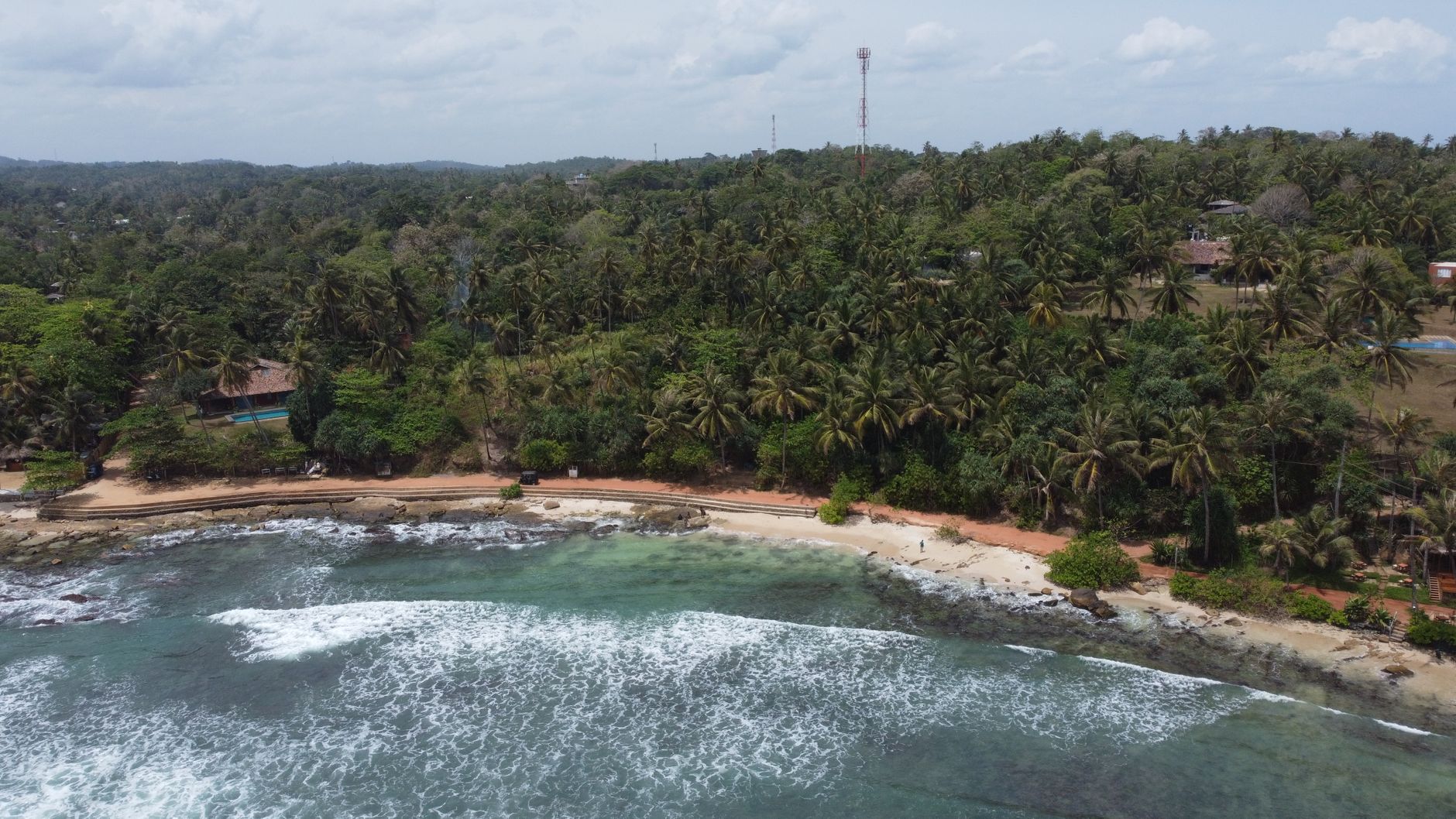
Mirissa works brilliantly for families with young children and teenagers alike, but only if you navigate it strategically. The town excels at water-based activities, has swimmable beaches and tidal pools for exploration, and offers genuinely good seafood restaurants. What doesn't work: overcrowded main beach in peak season, predatory boat operators, and tourist-trap restaurants. Get the timing and practicalities right, and Mirissa becomes a relaxed southern base.
Does whale watching suit young children?
Yes—but with caveats. Sperm whales appear year-round; blue whales arrive November to April. Morning departures (5:30–6:00 a.m.) mean tired children, and boat rides last 3–5 hours in ocean swells that turn stomachs. Children under 6 struggle; ages 7–10 manage if accustomed to boats; teenagers rarely complain. Book only with operators displaying Sri Lanka's Wildlife Whale Watching Code—reputable outfits keep distance, limit boat speed, and don't chase pods.
Reality: you may spot nothing. Whales are wild animals. Skip this if your family won't tolerate disappointment or seasickness without resentment.
Related: Sumatipāla nāhimi Hermitage: Access, Trails & Visitor Guide
See also: Polonnaruwa with family: what works and what to skip
Related: Grizzly Basin Photos and Hiking Guide
Which beaches genuinely work for families?
Mirissa Main Beach (the crescent you see from every postcard) is beautiful but chaotic mid-year. From July to September, it's shoulder-to-shoulder with backpackers, touts selling boat trips, and lifeguard coverage that exists only in theory. April, May, June, and late October see calmer days.
Parrot Rock (ten-minute walk east along the sand from main beach) offers rock pools teeming with small fish, crabs, and anemones—perfect for children aged 4–12 to explore barefoot. Water clarity varies with tide and season; clearest in September–October after monsoon rains settle.
Mirissa East Beach (accessible via the hillside path behind the main beach) is sandier, less crowded, and frequented by local families. Lifeguard presence is minimal; swim only at calm midday hours and supervise closely.
Skip the boat-trip "secret beaches" sold in town. They're neither secret nor better; operators charge £15–25 per person and deposit you on the same sand as everyone else.
What about accommodation with children?
Best value with reliability: Bon Accord Mirissa Hotel (2-star, 9.6/10 rating) offers clean, spacious rooms, friendly staff who speak English, and a central location without the noise of the backpacker strip. Family rooms sleep 4; no frills but honest housekeeping.
Mid-range with space: IMAGINE Villa Hotel (4-star, 9.2/10 rating) has villas with small courtyards—useful if you have toddlers who need safe play areas. Staff are used to families; breakfast is generous.
Quiet alternative: Peacock Villa (3-star, 9.4/10 rating) sits slightly back from the main drag with a small pool and garden—older children appreciate the calm; management is attentive.
Skip hostels; they attract late-night revellers. Avoid the main beachfront strip if you have young sleepers (noise from beach bars until 11 p.m.). Hotel Vacanza - Mirissa (2-star, 8.7/10 rating) offers reasonable soundproofing and a peaceful garden.
Where do families actually eat well?
Mirissa's main street is clogged with mediocre "tourist" restaurants serving rubbery seafood at inflated prices. What works:
Local fish cafés (identify them by local customers, not English signs) grill fresh catches to order. Ask your hotel staff—they know the good ones. You'll pay 800–1,200 LKR (£2.40–3.60) for grilled fish with rice and curry. Children's portions are normally available on request.
Polwatta Village (15-minute walk inland from main beach) has family-run restaurants serving kottu roti, lamprais, and devilled dishes. Quieter, cheaper, and authentic. Go for lunch rather than dinner; electricity and ambience are daylight advantages.
Your hotel kitchen (if you've booked a villa-style place like IMAGINE Villa Hotel or Peacock Villa) is often your most stress-free option. Cooking simple meals with children avoids repeatedly managing restaurant logistics.
Skip the rooftop seafood restaurants facing the beach; they're designed for Instagram, not flavour or value. Avoid places with laminated picture menus and aggressive touts outside.
What activities genuinely work, and what's wasteful?
Do this:
- Snorkelling from Mirissa Main Beach. Shallow reef 50 metres offshore, visible from shore. Wear reef shoes (spiky rocks). Children 6+ manage; younger ones need a parent in water. Best clarity August–October. Cost: nothing if you already have snorkels; £10–15 per person if hiring locally.
- Sunrise walk along the eastern headland. Start 6:15 a.m., return by 7:30 a.m. Empty beaches, cooling air, local fishermen departing in boats. Free. Toddlers struggle; older children and teenagers enjoy the solitude.
- Coconut processing at local farms. Some guesthouses arrange informal visits (ask staff). Children see how coconuts become oil and copra; it's tactile and real, unlike most 'cultural' tours. £5–10 per family.
- Swimming in the natural pool at Coconut Lagoon (40 minutes by tuk-tuk). Brackish water, calm, surrounded by coconut palms. Safe for non-swimmers; cold season (Nov–Feb) water temp is 26°C.
Skip this:
- Boat tours to "secret lagoons." You'll motor past mangroves, see nothing remarkable, and pay £20–40. Children get bored after 20 minutes.
- Ayurveda treatments marketed to families. Most are uncomfortable for children; authenticity varies wildly. Unless you're seeking actual treatment, it's theatre.
- Mirissa Lighthouse. The climb is steep, unshaded, and views aren't exceptional for the effort. Older teenagers might manage; young children will resent it.
- Night fishing trips. Marketed as "family adventure." Reality: cold, dark, seasickness, fish blood, and 4–6 hours of nothing happening. Only book if your family actively wants this.
What's the realistic travel time from other areas?
Mirissa sits 45 minutes from Unawatuna by car (good for beachside alternatives), 90 minutes from Galle (colonial history break), and 3 hours from Kandy or Nuwara Eliya (if you're combining hill country with coast). The coastal road via Matara is scenic; internal flights to/from Colombo avoid 7-hour drives.
How long should families stay?
Three nights is the realistic minimum to justify travel time and settle into beach rhythm. Five nights feels natural—enough for 1–2 whale-watching or water-based days, plus beach time and village exploration. Beyond a week, children usually crave new scenery. Mirissa isn't built for static holidays; it's a purposeful stop on a larger Sri Lankan route.
FAQ
Do children need malaria precautions in Mirissa? Mirissa is at sea level in a developed tourist area. Malaria risk is very low. Consult your GP, but antimalarials are rarely prescribed for coastal visits. Dengue mosquitoes are more relevant—use repellent at dawn and dusk, particularly if visiting June–October.
Are the ocean currents safe for swimming with children? Mirissa's main beach has moderate currents, particularly during monsoon season (May–September). Check with lifeguards or locals on the day. Strong swimmers and children supervised closely are fine in calm conditions; if swell is visible, stay shallow. East Beach has gentler conditions.
Is Mirissa better than Unawatuna for families? Unawatuna has better snorkelling, more structured activities, and busier beach culture—good if your children enjoy organised entertainment. Mirissa is smaller, quieter, and better for families seeking relaxation mixed with simple water activities. Both work; it depends on your family's pace.
Can you hire a driver and car for day trips from Mirissa? Yes. Guesthouses arrange this (typically 5,000–8,000 LKR/£15–24 per day for a driver, fuel separate). Worth it if exploring beyond walking distance, particularly with young children and luggage. Negotiate rates beforehand; establish a pick-up time the evening before.