Mahiyanganaya is not a destination for conventional nightlife; instead, evenings here revolve around temple visits, local cuisine, and the quiet rhythm of rural Central Highland life. If you're seeking clubs and bars, you'll be disappointed—but if you want authentic cultural experiences, simple food, and genuine local interaction, the nights here are genuinely rewarding.
What defines evenings in Mahiyanganaya?
This town in the Kandy district sits quietly in tea and rubber plantation country, and its character after sunset reflects that agricultural reality. Most activity winds down by 8 or 9 p.m., and the atmosphere becomes one of community gatherings, temple rituals, and family meals rather than tourist entertainment. The nearest significant nightlife is in Kandy, about 40 kilometres away, but many travellers find the contemplative quality of Mahiyanganaya's evenings far more memorable than busier alternatives.
Temple visits and spiritual experiences
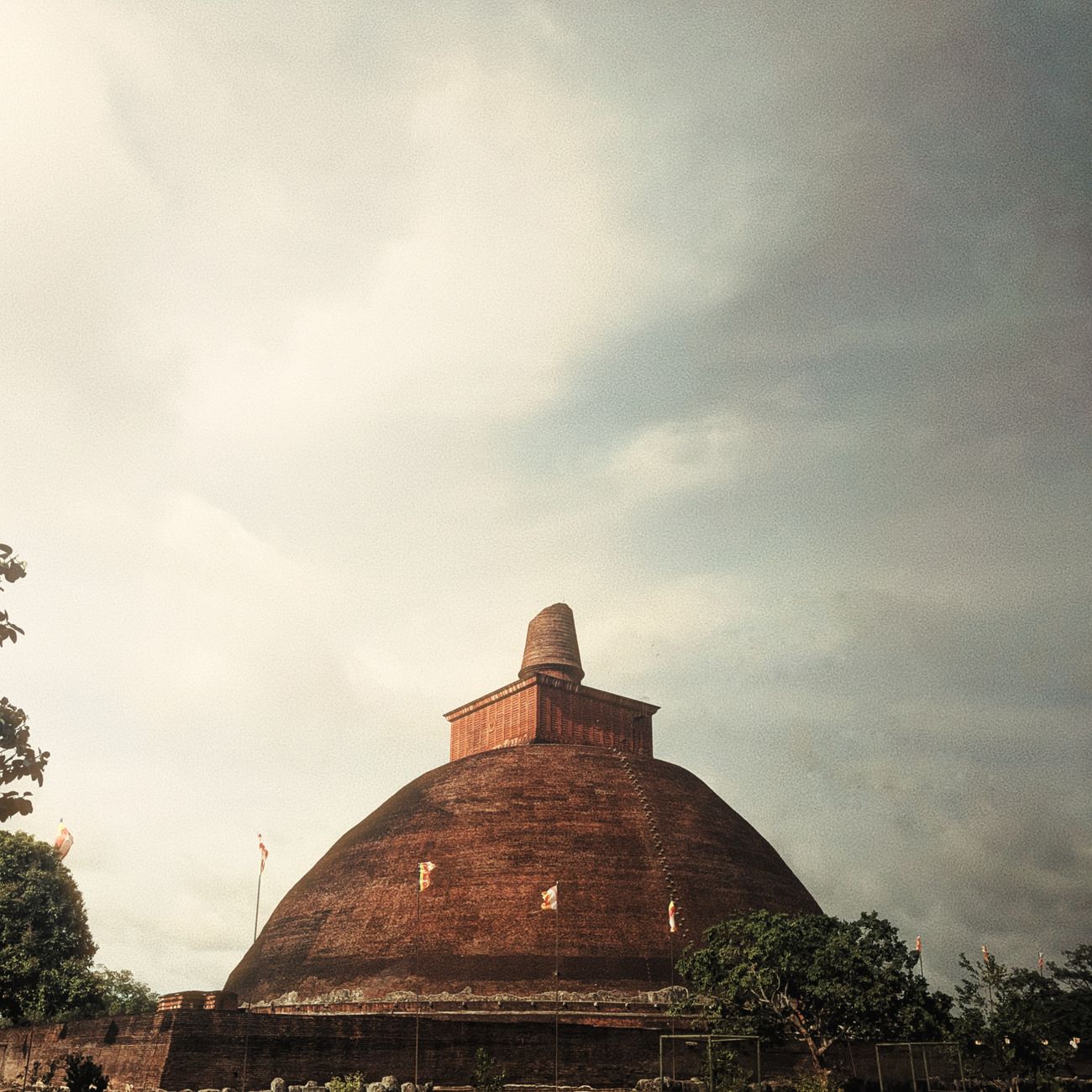
Mahiyanganaya's most significant evening activity centres on Mahiyangana Rajamaha Vihara, one of Sri Lanka's oldest Buddhist temples, believed to have been visited by Buddha himself. Evening pooja ceremonies (typically around 6–7 p.m.) draw both pilgrims and visitors, creating an atmosphere of genuine spiritual practice rather than tourism spectacle. You'll hear chanting, see devotees lighting oil lamps, and witness the temple bathed in soft golden light—it's a profound experience that many visitors describe as the highlight of their stay.
Related: Bomburu Ella Waterfall: Location, Entry Fee & Visiting Guide
Related: Is Galle Worth Visiting? An Honest Take
Related: Nine Arches Bridge Viewpoint: Access, Timing & What to Expect
If you're staying at Shady Hills -Hunnasgiriya or Kevans Casa, both are well-positioned for evening temple access. The walk down to the temple through the quiet town adds to the experience, and local shopkeepers often become friendly faces as dusk settles.
Local dining and family restaurants
Evening meals in Mahiyanganaya are straightforward affairs centred on authentic Sri Lankan home cooking rather than tourist menus. Small family-run restaurants and wayside eating places serve kottu roti, lamprais, devilled preparations, and rice curries made to recipes passed through generations. These establishments typically close by 9 p.m., so eating early (between 6:30 and 8 p.m.) is essential.
You'll find the most authentic meals in small eateries scattered around the town centre rather than in upmarket establishments. The experience is social—you'll sit alongside locals, share tables, and often find yourself in conversation about where you're from and what brought you to this particular corner of Sri Lanka. The food costs little (typically 300–600 rupees for a full meal), and the generosity of portions and flavour far exceeds the price.
Accommodations like Kevans Casa and White win villa often provide evening meals if you request them in advance, giving you the comfort of eating at your lodging whilst still experiencing authentic Sri Lankan cuisine.
Walking and ambient experiences
Unlike busier towns, Mahiyanganaya's evenings are best experienced on foot. The air cools considerably after sunset, the tea plantations release their particular fragrance, and the sound of cicadas and distant temple bells creates a natural soundtrack. Walking through the town's quiet streets between 7 and 8 p.m. offers genuine cultural observation—you'll see families sitting outside homes, children playing in the fading light, and shopkeepers securing their stalls for the night.
The walk to nearby viewpoints around the town provides perspective on the geography that defines this area. The Mahiyangana Reservoir sits nearby, and an evening walk along its banks offers reflective solitude and, on clear nights, views of the surrounding hills silhouetted against the darkening sky.
Practical evening considerations
Mahiyanganaya has electricity and mobile connectivity, but don't expect late-night services. Most shops close by 7 p.m., so buy any supplies you need earlier in the day. Alcohol is available but rarely prominently displayed, and the atmosphere in the town is conservative—dress modestly, particularly if visiting the temple. The town is safe for evening walks, though the streets become genuinely quiet after 9 p.m., so plan accordingly.
Temperatures drop noticeably in the evening, particularly if you're staying at higher elevations like Shady Hills -Hunnasgiriya or Knuckles Range Bunglow, so bring a light layer or fleece if you plan to spend extended time outdoors.
Comparing Mahiyanganaya with nearby towns
If you're torn between Mahiyanganaya and more tourist-heavy destinations, the choice depends entirely on what "evening" means to you. Kandy, 40 kilometres away, offers restaurants, bars, cultural performances, and genuine nightlife. Ella, further south, has a younger traveller scene with backpacker bars and late-night cafés. Mahiyanganaya, by contrast, prioritises authenticity and contemplation over entertainment—it's where you go to step away from tourism infrastructure entirely.
Many visitors spend a night or two in each, using Mahiyanganaya as a pause point for reflection and genuine cultural immersion before moving to busier destinations. The town works particularly well if you're hiking in the nearby Knuckles Range during the day; the evenings become natural downtime before the next morning's walk.
Where to stay for evening comfort
Shady Hills -Hunnasgiriya (5-star) and Kevans Casa (3-star) both offer evening atmospheres conducive to relaxation and social connection with other guests. Kevans Casa particularly draws a mix of local families and international travellers, creating natural evening conversation and cultural exchange. More budget-conscious options like Mapakada Village and White win villa provide similarly authentic experiences at lower cost, though amenities are simpler.
Most accommodations can arrange evening meals if you give notice, and hosts often enjoy sharing local knowledge about the town's cultural sites and best walking routes. Building this kind of relationship with your host often becomes the evening's actual entertainment—genuine human connection rather than commercial activity.
Preparing for quietness
The most important preparation for Mahiyanganaya evenings is mental. If you're accustomed to constant activity and stimulation, the quiet may initially feel disappointing. But give it time—usually by the second evening, most visitors find the pace deeply restorative. Bring a book, journal, or comfortable clothes for sitting on your accommodation's veranda. Download podcasts or films if you need backup entertainment. Most importantly, approach the town's quietness as an invitation to observation and reflection rather than a deficit of things to do.
FAQ
Are there bars or clubs in Mahiyanganaya? No. The town has very limited alcohol venues and no nightclubs. For conventional nightlife, Kandy (40 km away) is your nearest option.
What time should I eat dinner? Between 6:30 and 8 p.m. Most local restaurants close by 9 p.m. Plan accordingly or arrange meals at your accommodation in advance.
Is it safe to walk around at night? Yes, the town is safe for evening walks. However, streets become very quiet after 9 p.m., and there's limited street lighting, so torch a torch and walk before late evening.
Can I visit the temple in the evening as a non-Buddhist? Yes. Visitors of all faiths are welcome at Mahiyangana Rajamaha Vihara during evening pooja. Dress modestly (covered shoulders and knees) and remove shoes before entering. Be respectful of the active worship happening around you.