What Should You Expect from Sanmali Beach Hotels?
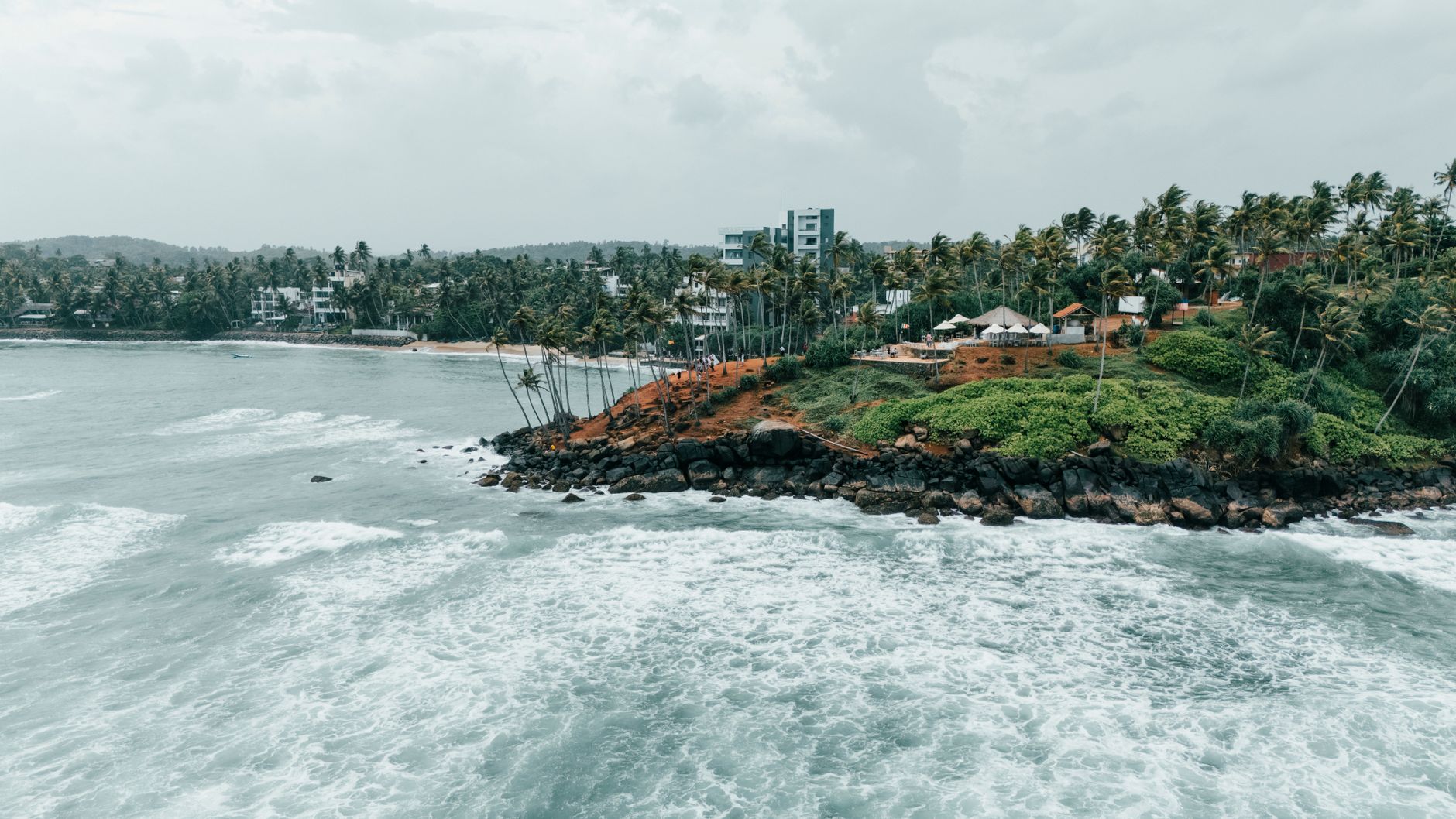
Sanmali is a working fishing beach rather than a resort destination, so accommodation here reflects that character—simple, unpretentious, and genuinely connected to village life. Hotels at Sanmali typically sit within walking distance of the actual shoreline, many with rooms overlooking the ocean or nestled among coconut palms just behind the sand. What you're paying for is proximity to the beach and access to an authentic stretch of southern Sri Lankan coast, not polished amenities or architectural flourish. The beach itself is operationally busy, especially mornings and early evenings when nets are hauled in and boats return, which many visitors find atmospheric rather than disruptive.
Accommodations range from basic guesthouses with concrete rooms and squat toilets to modest three-storey hotels with attached bathrooms, ceiling fans, and the occasional air-conditioned room. Most offer relatively affordable rates—you'll find functional double rooms between LKR 2,500 and 6,000 per night depending on season and facilities. Internet connectivity can be patchy; expect mobile data to be more reliable than WiFi. Water supply is generally seasonal and sometimes unreliable during dry months, so clarify this when booking. Most places serve breakfast (usually curry and rice or short eats), and several have small ground-floor restaurants that sell lunch and dinner, often featuring whatever fish landed that morning.
Where Exactly Is Sanmali, and Why Stay Here?
Sanmali lies roughly 30 kilometres east of Matara on the southern coast, tucked between the larger resort towns of Mirissa and Unawatuna. It's reachable by local bus (often packed, always interesting) or tuk-tuk from Matara in about 45 minutes. The appeal isn't luxury or convenience—it's the opposite. This is somewhere to slow down, sit in a plastic chair with a bottle of arrack or weak tea, watch fishermen repair nets, and eat rice curry at a beachside shack run by someone's mother. If you're seeking nightlife, yoga retreats, or tourist infrastructure, Mirissa or Unawatuna are better choices. If you want to spend two or three days genuinely outside the tourist circuit, sleeping metres from the sea and eating what the ocean delivered that morning, Sanmali works perfectly.
Related: Negombo with family: what works and what to skip
Related: Negombo Hotels: Where to Stay in Sri Lanka's Beach Town
Related: Dalawella Beach Resort Guide: What to Expect and Where to Stay
The beach itself is gently sloping, good for swimming (though always ask locals about currents), and largely free of the hawkers and touts that characterise more developed coastal areas. The fishing community is welcoming but unselfconscious—you're a guest in their workspace, which is refreshing.
What Facilities and Services Exist at Sanmali Hotels?
Don't expect a gym, spa, or business centre. Most hotels offer the basics: a room with a bed, perhaps a fan, possibly an en-suite bathroom. Several have small rooftop or ground-floor seating areas where guests gather in the evening. A few places have managed to maintain a small garden or add a concrete veranda where you can eat breakfast facing the ocean. Some offer motorcycle or bicycle rentals (handy for exploring nearby villages), and nearly all can arrange a local fishing trip if you ask—usually a boat ride out at dawn with working fishermen, returning by mid-morning, for around LKR 3,000 to 5,000 per person.
Restaurant options at the hotels themselves are limited; most serve curries, fried rice, kottu roti, and grilled fish. Quality varies enormously depending on the cook and what's fresh that day. Walking five minutes in either direction along the beach road reveals small family-run lunch shops, several of which serve exceptional seafood curry for less than you'd pay at any hotel dining room. Alcohol is available but not prominently advertised (remember, this is still a conservative fishing village); bring your own or ask politely.
Mobile phone coverage is decent via all major networks. Electricity is stable, though power cuts aren't unknown during monsoon season. Most places will charge devices and provide a plug socket, though extension cords are worth carrying. Laundry services exist but are slow; plan accordingly.
How Should You Approach Choosing and Booking?
Your decision should centre on three factors: beach access (how close and what's the view?), room condition (especially bathroom and fan reliability), and whether breakfast and dinner are included or available. Read recent guest reviews carefully—hotels in this category vary wildly based on current ownership and maintenance, and things change quickly. Contact places directly via WhatsApp if possible; proprietors are usually responsive and honest about current conditions.
If you're travelling during the southwest monsoon (May to September), confirm that the beach is still accessible and swimming is safe; sometimes rough seas limit water activities. During this period, many independent travellers move to the east coast (Arugambe, Ella) where conditions are calmer. The best months to visit Sanmali are December to March and July to August—relatively dry, calm seas, and fewer insects.
Book directly with the hotel or via WhatsApp rather than online platforms if you can; you'll often get a better rate and immediate answers to practical questions about water availability, nearby food, and local transport.
FAQ
Is Sanmali beach safe for swimming? Generally yes, though currents vary seasonally and daily. Always ask hotel staff or local fishermen about current conditions before entering the water. Swimming is typically safest in the morning when the sea is calmest. During monsoon months, rough seas can make swimming dangerous or impossible.
What's the nearest town for supplies or healthcare? Matara, about 30 kilometres west, is the nearest significant town with pharmacies, clinics, supermarkets, and a larger range of restaurants. Mirissa (15 km east) has some tourist facilities and ATMs. Bring any medications you might need; Sanmali village has a small shop but limited medical resources.
Can I eat well at Sanmali hotels, or should I eat elsewhere? Hotel restaurants offer basic curries, but some of the best meals come from beachside shacks and small family restaurants lining the beach road—especially fresh fish curry and lamprais. Exploring locally is part of the experience and usually cheaper than eating at your accommodation.
How do I get to Sanmali from larger towns? Bus is cheapest and most frequent from Matara (local buses every 20–30 minutes, roughly LKR 150–200). A tuk-tuk direct from Matara costs around LKR 1,000–1,500. From Colombo, take a train or bus to Matara (3–4 hours), then connect onward. Consider visiting nearby Mirissa or Unawatuna first if you need to acclimate to the south coast.