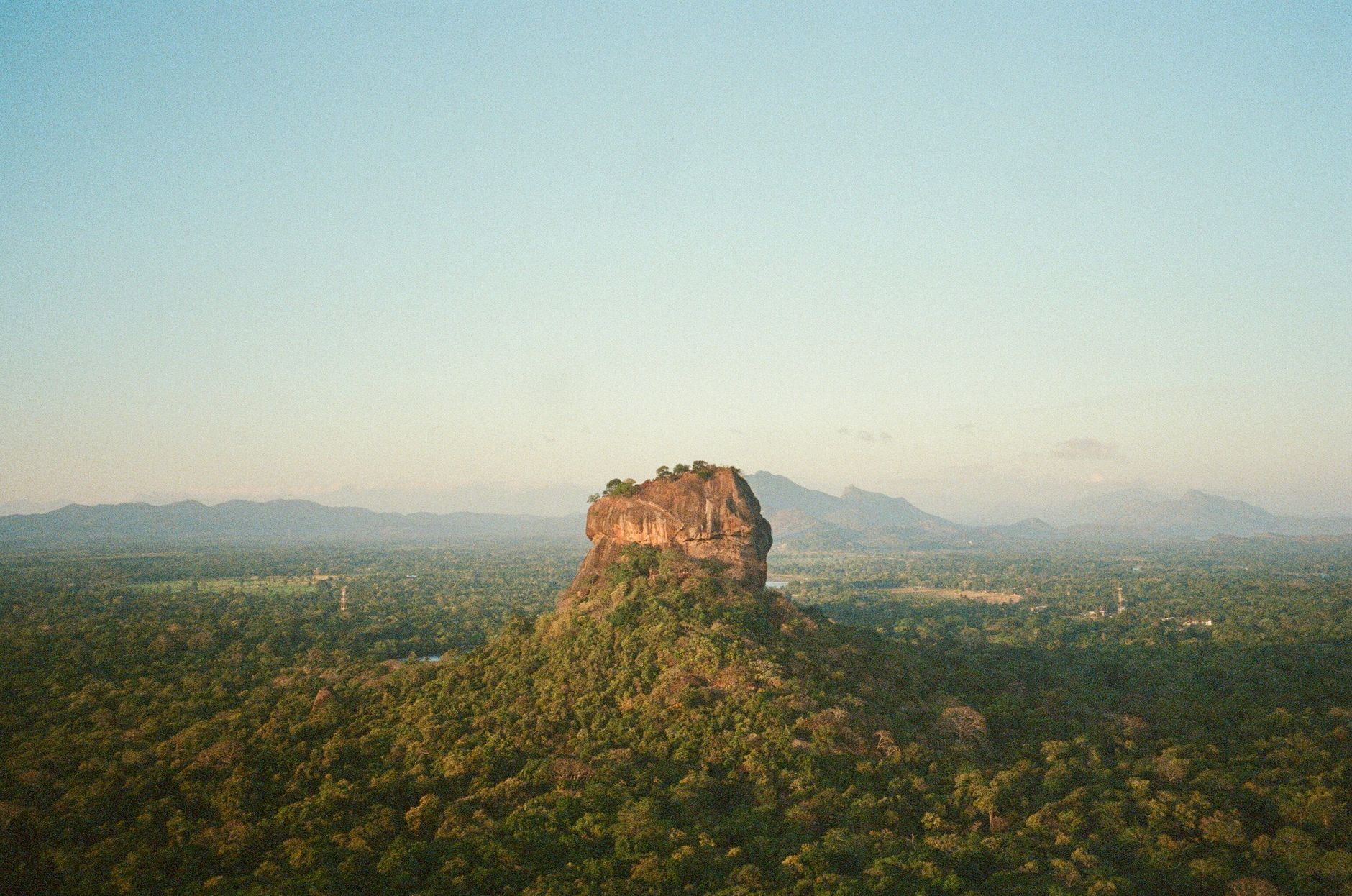
Sigiriya with Family: What Works and What to Skip
Sigiriya Rock is climbable with children, but timing, fitness levels and accommodation matter enormously. Start early, stay nearby, skip the midday heat, and choose lodgings with proper rest facilities. Here's what genuinely works for families and what to leave out.
Does the climb actually suit your children?
The ascent to Sigiriya's summit involves roughly 1,200 steps across variable terrain—some gradual, some steep, with narrow passages that feel claustrophobic for anxious climbers. The entire route takes 45 minutes to an hour for fit adults moving steadily, longer for families with younger children or those less accustomed to stairs. Children under five struggle considerably; six to ten-year-olds manage well if reasonably active; teenagers rarely complain unless humidity has sapped their energy. The real challenge isn't distance but the cumulative effect of heat, steep sections, and the psychological pressure of climbing whilst exposed to significant drops.
Before committing, ask yourself honestly: can your children sustain focus for 45 minutes without frequent breaks? Do they panic on exposed staircases? Have they done hill walks recently? If the answers lean negative, consider viewing the rock from ground level or taking photos from nearby vantage points instead—there's no shame in this, and your family's mood matters more than ticking a box.
Related: Ella Sri Lanka Hotels: Where to Stay in the Hill Country
See also: Amaya Lake Hotel Dambulla: Location, Facilities & Booking Guide
Related: Heritance Tea Factory: Complete Visitor's Guide
What time genuinely works best?
Arrive at the entrance by 6:30 a.m., ideally earlier if you're bringing very young children or slower climbers. The gates open at 7 a.m., and the first hour offers three critical advantages: cooler air temperature (around 25–28°C rather than 35°C by mid-morning), fewer crowds allowing children to move at their own pace, and the psychological boost of watching sunrise from higher elevations. Morning light is also better for photographs without harsh shadows.
Skip late afternoon visits entirely. By 3 p.m., you're climbing in peak heat with tired legs, facing crowds of school groups, and the summit experience becomes uncomfortable rather than memorable. Evening climbs sound romantic but leave no margin for error if a child becomes distressed or moves slowly—descending in fading light is genuinely risky.
Where to stay for family comfort?
Stay within five kilometres of the rock, ideally in Sigiriya village itself rather than Dambulla, which adds unnecessary travel time on an already early morning. Proximity means you can return to your accommodation for a proper breakfast, rest during the afternoon heat, and avoid three hours of cumulative driving.
Hotel Sigiriya sits close to the entrance and offers family rooms with straightforward facilities—useful for quick turnarounds. Sigiriya Village provides a similar convenience with slightly more space. Both score highly for reliability rather than luxury.
If budget allows, Jetwing Vil Uyana, A Luxury Reserve combines proximity with proper facilities—pools, quiet gardens, and quality meals matter when you're managing tired children post-climb. The Paradise Dambulla works if you're willing to drive 20 minutes, but the early start makes this less practical with young families.
For budget-conscious stays, Back of Beyond Pidurangala offers character and proximity at three-star pricing, though amenities are simpler. Flower Garden Eco Village appeals to families seeking a quieter, nature-focused stay without luxury pricing.
What to pack and bring on the day?
Bring at least 1.5 litres of water per child, electrolyte sachets, and high-calorie snacks—nuts, dried fruit, energy bars—rather than relying on what's available at the summit shop, where choices are limited and prices inflated. Wear proper trainers with ankle support, not sandals; the metal stairs have exposed edges and loose footwear causes slips. Apply high-SPF sunscreen before starting and reapply halfway up.
Bring a lightweight backpack rather than a large rucksack, as you'll be climbing with your hands partly free. A small first-aid kit with blister plasters matters more than most families anticipate—hot feet sap morale quickly. A lightweight sarong or thin covering helps if anyone becomes sunburned during descent.
Skip bulky cameras; a smartphone handles photos adequately and keeps hands free for balance. Skip taking very young children's buggies—there's nowhere to store them and the terrain forbids wheels entirely.
What genuinely deserves time versus what to skip?
The frescoes in the mirror wall section (around halfway up) warrant stopping briefly; children often find the preserved paintings engaging, and it's a natural rest point. The final push to the summit itself, with its flat plateau and 360-degree views, absolutely justifies the effort—this is where the climb feels rewarding.
Skip the museum at the base unless your children show genuine interest in archaeology and you have extra time after rest—it's not essential and often feels like busywork when energy is already depleting. The nearby Pidurangala Rock offers an alternative lower-stress climb (30 minutes) if you're uncertain about Sigiriya; consider it a warm-up if visiting both.
How to handle fatigue and panic?
Build in rest stops every 15 minutes for younger children, not just when they ask. A child asking to stop halfway has often already reached distress point—frequent, brief pauses prevent that spiral. Offer snacks and water at each stop, even if they don't seem thirsty.
If panic emerges on exposed sections, kneel beside them at a safe point, acknowledge their fear without dismissing it, and suggest moving three steps at a time before resting again. Many children manage fear better with concrete micro-goals than encouragement to "keep going." If someone becomes truly distressed, descending is always the right choice; the rock will be there another year.
After the climb: recovery matters
Return to your accommodation by 10:30 a.m. if possible, allowing time for a proper breakfast, shower, and rest during the hottest hours. Swimming or relaxing near water helps children recover psychologically and physically. Avoid booking additional strenuous activities the same afternoon—visiting the rock demands genuine energy, and over-scheduling creates resentment.
A gentle evening walk around Sigiriya village, browsing local shops or sitting by the water tank for sunset, feels restorative without being strenuous.
Should you hire a guide?
Local guides cost roughly £10–15 for a family and offer genuine value: they manage pace, share context about the rock's history, and can adjust the route if needed (suggesting quieter paths, for instance). For families with older children interested in history, guides enhance the experience. For those simply seeking the physical accomplishment and views, guides feel unnecessary.
FAQ
What age is realistic for climbing Sigiriya? Children aged six and above manage the climb with parental support, provided they're moderately active. Under five is genuinely difficult; very young children often become exhausted or frightened on exposed stairs. Don't feel pressured—viewing from ground level and nearby vantage points is entirely valid.
Can we take walking poles or assistance devices? Poles aren't permitted on the rock due to crowding and safety—they're cumbersome on steep, narrow stairs. If a family member struggles with balance, hiring a local guide who knows alternative pacing is more practical than equipment.
What's the realistic cost for a family visit? Admission costs roughly £20–25 per adult and child combined. Add accommodation (£40–150 per night depending on standard), meals, and optional guide fees (£10–15). Budget £150–200 per day for a family of four including lodging.
If we skip Sigiriya, what else is worth doing in the area? Visit the Dambulla Cave Temple (easier than Sigiriya, culturally rich), explore Pidurangala Rock for a shorter climb, or spend time at Sigiriya tank (the water body) for birdwatching and quieter reflection. The cultural triangle offers substantial appeal beyond rock-climbing.