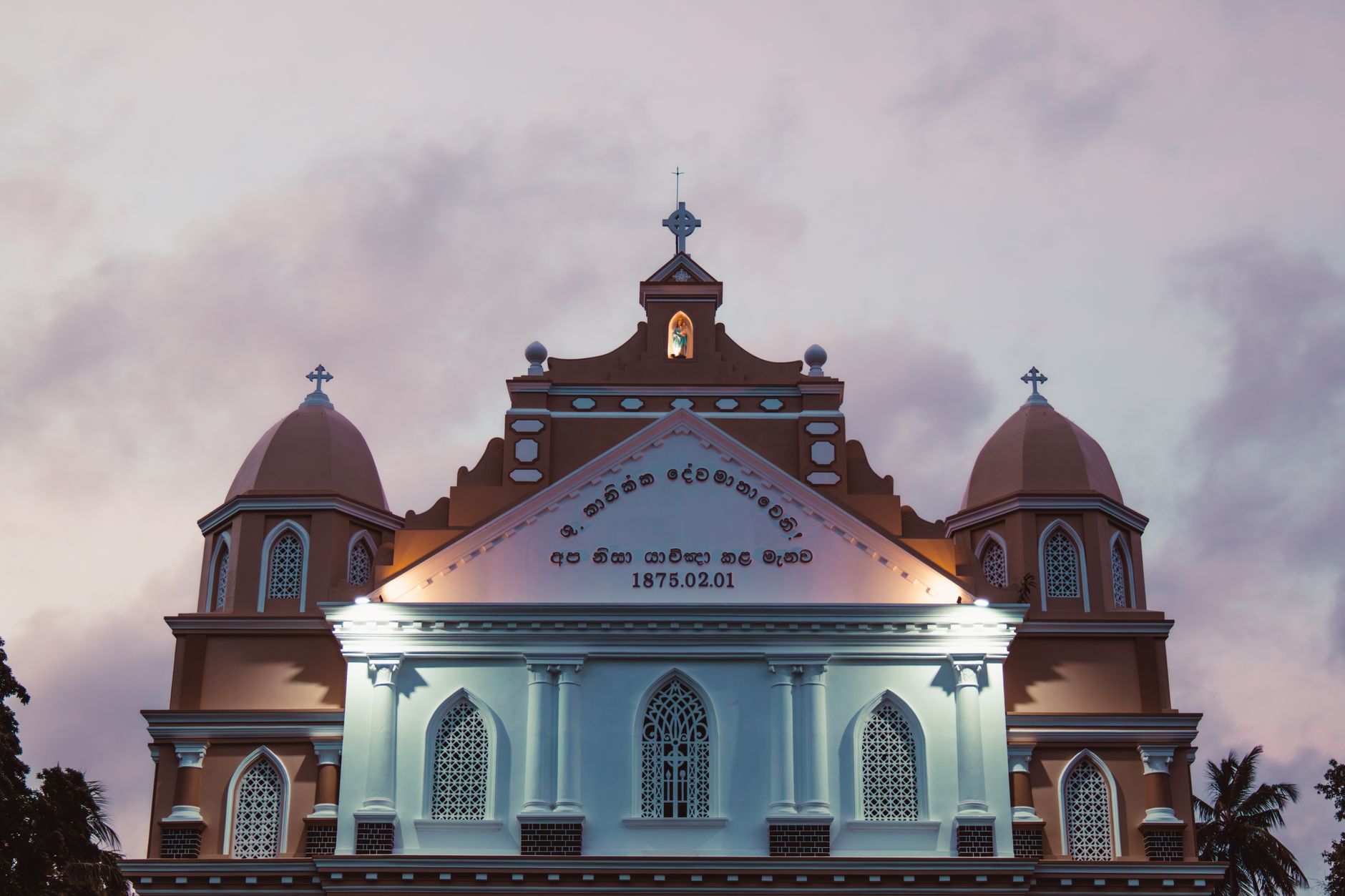
Marawila appeals to travellers seeking an unhurried coastal experience on Sri Lanka's west coast—this is a working fishing community where daily rhythms revolve around trawlers, nets and the lagoon rather than resort tourism. The main draw is simple: empty stretches of sand, traditional fishing methods still in regular use, and the chance to move at the pace of local life rather than following a tour itinerary. Most visitors treat Marawila as a day trip from nearby Negombo or Colombo, though staying overnight reveals a quieter rhythm and better access to sunrise and evening activities.
What are the main beaches in Marawila?
The primary beach runs roughly north-south along the town's western edge, backed by coconut palms and wooden fishing huts. It's not a manicured strip—you'll see fishing nets laid out to dry, boats being repaired and vendors selling their morning catch alongside the swimmers and sunbathers. The sand is reasonably clean and wide at low tide, though monsoonal swells from May to September can make the sea rough and the water murky with churned sediment.
The northern end of the beach, closest to the lagoon mouth, has a working fishing harbour where multicoloured boats are hauled up in the sand and crews mend nets in the shade. This is where you'll experience the authentic working atmosphere; visiting early morning (around 6am to 8am) shows the busiest activity and best photography light. The southern stretches are quieter and occasionally cleaner, though the overall experience is less engaging.
Related: Nuwara Eliya Hotels: Where to Stay in Sri Lanka's Hill Station
See also: Amaya Lake Hotel Dambulla: Location, Facilities & Booking Guide
See also: Is Negombo Worth Visiting? An Honest Take
Bathing is generally safe in daylight hours during calmer weather, though the presence of fishing activity means the water can be less pristine than beaches further south. Facilities are minimal—no sunbeds, umbrellas or tourist infrastructure—so bring water, sunscreen and plan to sit under your own umbrella or a palm canopy.
Are there lagoon walks or nature experiences?
The Marawila Lagoon (also called Marawila Villu) sits immediately inland from the town centre and offers a different perspective than the beach. A calm, brackish body of water fringed by mangroves, water palms and tropical vegetation, it's home to egrets, herons, cormorants and occasionally migrating warblers. The best experience is hiring a local boatman for a 1–2 hour paddle through the narrow mangrove channels, which costs around 1,500–2,500 LKR depending on your negotiating skill and boat type.
Early morning paddles (6am–8am) catch bird activity when the air is cooler and creatures more active. The boatmen are often fishermen or local guides who know where birds congregate and can point out nesting sites and seasonal arrivals. Bring binoculars if you're keen on ornithology, though casual observers will still spot plenty of wildlife without specialist equipment. The lagoon also receives visitors who wade and swim during high tide, though this is less atmospheric than the boat experience.
Walking trails around the lagoon perimeter exist but are not formally marked or maintained; local guides from the town can arrange walks, and asking at your accommodation or in the main street will usually connect you with someone. These walks take 1.5–2 hours and pass fishing encampments, small temples and coconut groves.
What local activities showcase traditional fishing culture?
Fishing is woven into every visible aspect of Marawila, making the experience itself the attraction. You can watch the daily catch being unloaded at dawn, see nets being hand-repaired and observe the traditional wooden boat construction that still happens in small shipyards scattered through town. Several local boatmen and fishermen will take visitors out on dawn or evening fishing expeditions for around 2,000–4,000 LKR, depending on boat size and trip length.
These trips involve casting nets, hand-lines or small nets depending on the season and catch. They're genuinely working trips, not tourist performances, so expect basic boats, early starts and the real physical labour involved. You'll learn how fishermen navigate by landmarks and experience conditions when the sea is calm and silvered with early light. Landing a catch is possible but not guaranteed; the experience is in participating in the work rather than guaranteed results.
Visiting the small fish markets scattered through town (the main one is near the lagoon mouth) in early morning shows how catch is sorted, auctioned and distributed to traders, restaurants and locals. There's no formal 'tour' but standing quietly and watching—and perhaps buying fresh fish for lunch—immerses you in the rhythm.
Are there temples or cultural sites?
Several Buddhist temples serve the local community, though none are architectural showpieces compared to historic sites inland. The Marawila Raja Maha Vihara (the main town temple) is a modest but actively used community shrine where visitors are welcomed respectfully. Observe local protocol: remove shoes before entering, dress modestly (covered shoulders and knees) and observe quietly if there are active ceremonies. The temple grounds are shaded and peaceful, a space for contemplation rather than sightseeing.
The town also has small Muslim shrines reflecting the mixed religious composition of many fishing communities along this coast. These are not formal tourist sites but rather places of local spiritual importance; respect and discretion are essential.
Cultural visits work best when arranged through local connections—talking with your accommodation host, a fisherman or a shop owner often leads to invitations to family homes, celebrations or informal explanations of local traditions. These spontaneous exchanges carry more authenticity than any organised 'cultural tour'.
How do you get around and where do you eat?
Marawila is small enough to walk the main areas in an hour or two, though distances between specific activities can feel long in heat. Tuk-tuks are available for longer journeys, and bicycles can be hired from guesthouses or local shops for 500–800 LKR per day. The main street runs north-south through town and contains small shops, food stalls and the lagoon entrance.
Food is the strongest practical draw—fresh seafood is caught daily and prepared in simple, direct ways by family-run restaurants and food stalls. Rice and curry with grilled fish, prawn curry, and crab omelette are standard lunchtime fare, usually costing 600–1,200 LKR. Many small eateries have no menus or English signage; pointing at what others are eating, or asking what's fresh that day, works well. The lagoon-side restaurants offer slightly more formalised seating and English menus but less character than the street-level food stalls.
Bread, curry, short eats and hoppers are available from early morning, and tea with fresh lime and jaggery is sold from stalls throughout the day. Alcohol is readily available but less celebrated than in tourist-focused areas.
When should you visit Marawila?
December to March offers the calmest sea, clearest water and most reliable sunshine—ideal for beach time and lagoon paddling. The landscape is greenest and bird populations most active during the May–July and October–November transition periods when migrating species pass through. Avoid May to September if you're seeking beach days, as monsoon swells make swimming rough and the atmosphere is heavier with humidity.
Visiting on a weekday avoids the slightly busier weekend feel, though even then Marawila remains quieter than Negombo or coastal towns further south.
Should you stay overnight or visit as a day trip?
A day trip from Negombo or Colombo is feasible—the journey takes 1–1.5 hours by road—but staying overnight or for a full day allows you to experience the fishing village rhythm properly. Early morning and dusk are when the atmosphere is strongest; a one-hour midday visit misses both. Basic guesthouses and family-run lodges are scattered through town and offer simple, inexpensive rooms; local connections often arrange homestays that deepen cultural exchange.
For longer beach holidays, nearby /negombo or /chilaw offer more facilities and activity options, but Marawila works best as a deliberate, slower addition to a wider western coastal journey.
Frequently Asked Questions
Is Marawila safe for solo travellers or families? Yes—Marawila is a stable working community with minimal tourist-related crime and very few hassles. Families find it relaxed and child-friendly, whilst solo travellers experience genuine local welcomes without aggressive sales pressure. Use standard precautions with valuables and be aware that medical facilities are basic; serious issues require travel to Negombo or Colombo.
Do I need a guide to enjoy Marawila? No formal guide is necessary for beach time or lagoon walks, but hiring a local boatman (easily arranged through your accommodation) vastly improves the lagoon experience and fishing culture insights. For temple or cultural visits, local introductions add depth and show respect.
What's the best time of day to visit the fishing harbour? Early morning (5:30am–8am) shows peak activity—boats returning from night fishing, nets being sorted and auctions happening. Evening (around 4pm–6pm) sees some activity but less dramatic than dawn. Mid-morning through afternoon is quiet.
Can you swim in the lagoon? Yes, during high tide in shallow areas, though it's brackish rather than refreshing. The beach is better for swimming; the lagoon visit is about wildlife, paddling and atmosphere rather than bathing.