What makes Yala National Park worth visiting?
Yala National Park is Sri Lanka's largest protected area and the most visited wildlife reserve in the country. Spanning 97,900 hectares across the southeast, it's known primarily for leopard density—among the highest in Asia—and secondarily for elephant herds, sloth bears, water buffalo, and over 200 bird species. The park includes coastal lagoons, salt marshes, rocky outcrops, and scrubland habitat that supports this biodiversity. Most international visitors come for a leopard safari; local and regional wildlife enthusiasts come for the broader ecosystem.
Yala works best for travellers prepared to wake at 3:30 a.m., sit in an open jeep for four hours, and accept that a leopard sighting, while more likely here than elsewhere in Asia, is never guaranteed. It is not a passive, air-conditioned experience.
How to book and enter Yala
Yala requires advance booking through the Department of Wildlife Conservation or authorised tour operators. Walk-up entry is extremely limited and not reliable. Book online at dwc.gov.lk or contact operators in nearby towns like Tissamaharama or Matara at least 2–3 days ahead, ideally longer during high season (June–September, February–March).
Related: Ayurveda in Sri Lanka: Hidden Gems Beyond the Tourist Trail
Related: Nine Arches Bridge Demodara: A 19th-Century Engineering Wonder in the Uva Highlands
Related: Marawila for Solo Travellers: Safety and Practical Tips
Entrance fees (as of September 2026): approximately LKR 3,000–5,000 per foreigner, depending on vehicle type and number of occupants. Jeep hire through a registered driver/guide costs LKR 12,000–20,000 for a shared or private vehicle for a 4-hour morning safari.
Best time to visit Yala
June to September: Dry season, highest leopard and elephant sightings. Afternoon showers common but brief. Parks crowded; book well ahead.
February to March: Dry, moderate crowds, excellent wildlife viewing. Water scarcity concentrates animals at remaining lagoons.
October to January: Southwest monsoon brings rain, track mud, reduced visibility, and fewer safari bookings. Some operators close or run limited tours.
April to May: Hot, dusty, fewer animals visible at distance, unpredictable afternoon rains. Lowest tourist volume.
Early morning safaris (4–8 a.m.) are mandatory and most productive. Leopards are crepuscular; light conditions suit photography 5:30–7:30 a.m.
What to expect during a safari
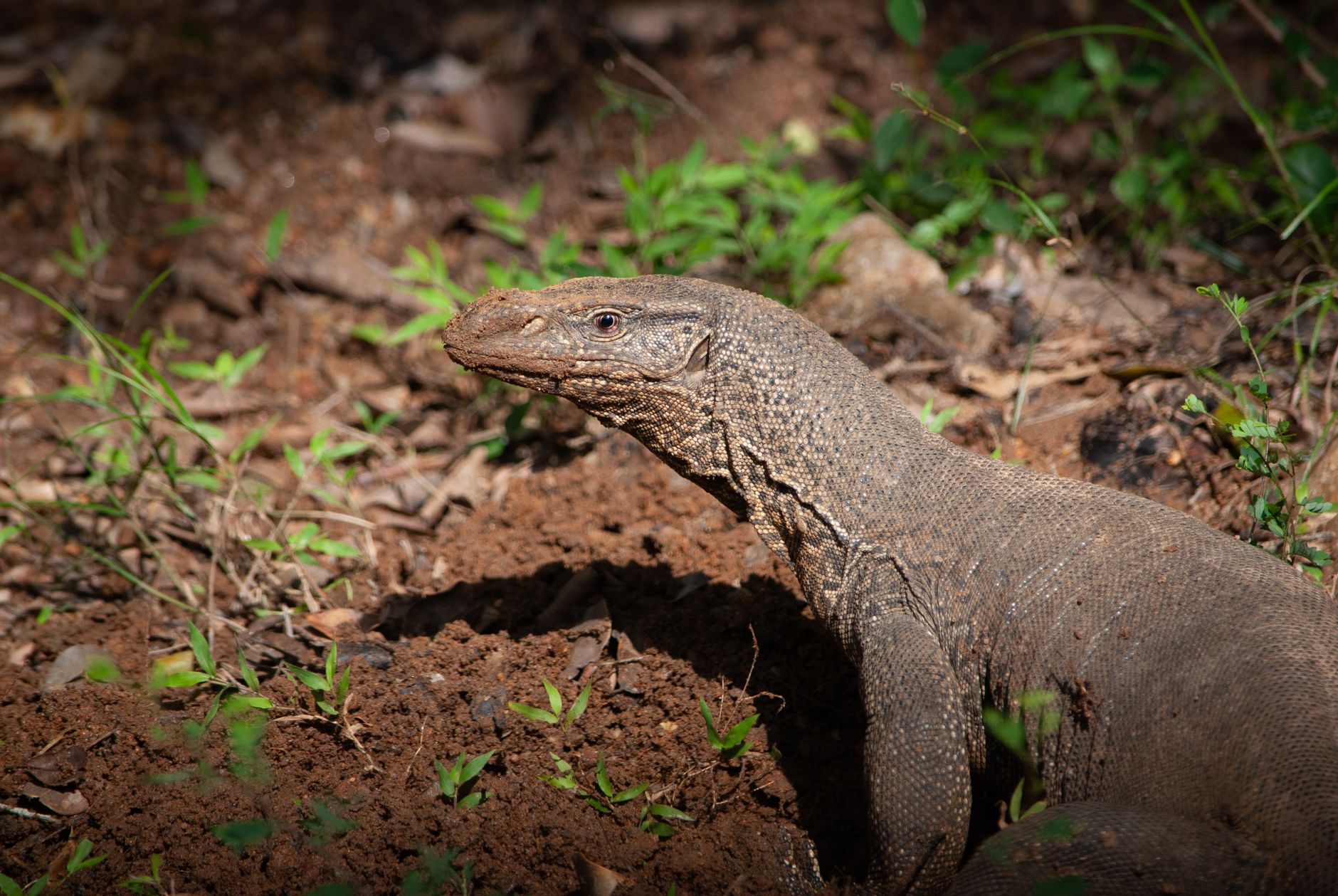
You'll be in an open-sided or open-top jeep with a trained driver-guide and typically 1–3 other visitors. Routes follow graded tracks through grassland and scrub. The jeep stops when wildlife is spotted; guides use radio networks to alert other drivers to sightings. Leopards are elusive and most commonly seen at distance or briefly. Elephant encounters are frequent in season; herds can be unpredictable. Sloth bears are rare and dangerous if surprised. Water birds, monitor lizards, and monkeys are reliable sightings.
Physical demands: Sitting upright in a bouncing jeep for 4 hours on rough tracks. Sun exposure is intense; bring high SPF sunscreen, hat, and light layers (dawn is cool). Lack of toilet facilities—use facilities before entering or bring a portable option.
Difficulty level: Moderate. No hiking; physical fitness matters only for tolerating prolonged sitting and heat. Children under 5 can struggle with the early start and duration.
Gear and preparation
- Binoculars: Essential for distant wildlife and bird spotting.
- Camera: Telephoto lens (400 mm+) ideal for leopards and birds. Smartphone acceptable but limiting.
- Clothing: Long sleeves and trousers protect from sun and insects. Neutral colours (khaki, grey, brown) are less intrusive; avoid bright red or white.
- Sun and insect protection: SPF 50+ sunscreen, hat, buff or scarf, insect repellent (mosquitoes in wet season).
- Water and snacks: Carry 1.5–2 litres of water, energy bars, fruit. Jeep does not stop for refreshments.
- Medications: Anti-nausea tablets if prone to motion sickness on rough tracks.
Leopard sighting probability
Yala's leopard population is estimated at 30–40 individuals across 97,900 hectares. Sighting probability varies by season and luck:
- High season (June–September, February–March): 40–60% chance per safari, depending on guide skill and park activity.
- Low season (April–May, October–January): 15–25% chance.
- Adjacent Kumana National Park: Fewer leopards but less crowded; 10–15% sighting chance.
Spotting a leopard does not guarantee a photograph or prolonged viewing. Most encounters last seconds to a few minutes at 50+ metres distance.
How to reach Yala
From Matara: 65 km east via A2 highway; 1.5–2 hours by car.
From Ella: 70 km south; 2–2.5 hours via Wellawaya and Buttala.
From Galle: 90 km; 2.5–3 hours.
From Colombo: 270 km; 5–6 hours (overnight stays recommended).
Tissamaharama (20 km north of Yala's main gate) is the nearest town with accommodation, restaurants, and tour operator offices. Buses run from Matara and Galle; hire a driver or join a tour operator's package.
Accommodation and logistics
Stay in Tissamaharama or nearby towns (Tangalla, Matara) the night before your safari. Book your lodge with safari pick-up included; most reputable operators arrange accommodation + safari packages. Alternatively, arrange a private driver to collect you from any location by 3:30 a.m.
Yala has one main gate (Palatupana) and five zones; Zone 1 is most visited and best for leopards. Private safaris (one jeep, your party only) cost more but allow flexibility; shared safaris reduce cost and seat you with other wildlife enthusiasts.
Practical tips
- Book early: 2–4 weeks ahead for high season; 3–5 days for low season.
- Hire an experienced guide: Seek operators with 5+ years' track record and recent leopard sighting data.
- Manage expectations: A leopard sighting is a bonus, not a guarantee. Enjoy the overall ecosystem.
- Photograph responsibly: Do not encourage guides to chase animals or leave tracks. Ethical operators prioritise animal welfare.
- Support conservation: Choose operators that contribute park fees to conservation efforts.
Nearby alternatives
Udawalawe National Park (100 km, 2.5 hours): Excellent for elephant herds, fewer leopards, higher accessibility. Recommended for families with younger children.
Kumana National Park (80 km, 2 hours): Coastal lagoons, migratory birds, quieter than Yala. Leopard sightings rarer but jeeps less crowded.
Bundala National Park (35 km, 45 minutes): Marshes and lagoons, migratory wading birds, lowest leopard density. Best for birdwatchers.
Visit /ella for guidance on nearby accommodation and highlands. /matara offers coastal stops en route to Yala.
FAQ
Can you visit Yala without a jeep safari?
No. Walking independently is forbidden for visitor and wildlife safety. All entry is by registered jeep only.
Is Yala safe?
Yes, for tourists following guide instruction. Leopards and sloth bears avoid humans; elephant herds can be unpredictable but rarely charge. Drivers are trained in wildlife behaviour and distancing. Petty theft in Tissamaharama is low-level; secure valuables.
What's the difference between Yala and Udawalawe?
Yala is larger, denser leopard population, coastal scenery, more crowded. Udawalawe excels for elephants, more accessible, shorter safaris available (2 hours), fewer international visitors. Both worth visiting if time allows.
Do you need a guide inside the jeep?
Yes. Guides are mandatory and included in all safari bookings. They navigate routes, identify wildlife, and provide ecology context. Guides vary in skill; ask your operator for recent sighting records and guide recommendations.