Yala National Park Sri Lanka: Safari Guide & Wildlife
Yala National Park is Sri Lanka's largest wildlife reserve and the most visited national park in the country. It protects 979 km² of dry lowland jungle, lagoons, and rocky outcrops across Matara, Hambantota, and Monaragala districts. The park is known for its leopard population—the highest density of wild leopards in the world by area—along with sloth bears, sambar deer, crocodiles, and over 200 bird species. Most visitors book a half- or full-day jeep safari; independent exploration on foot is not permitted.
What wildlife will you actually see at Yala?
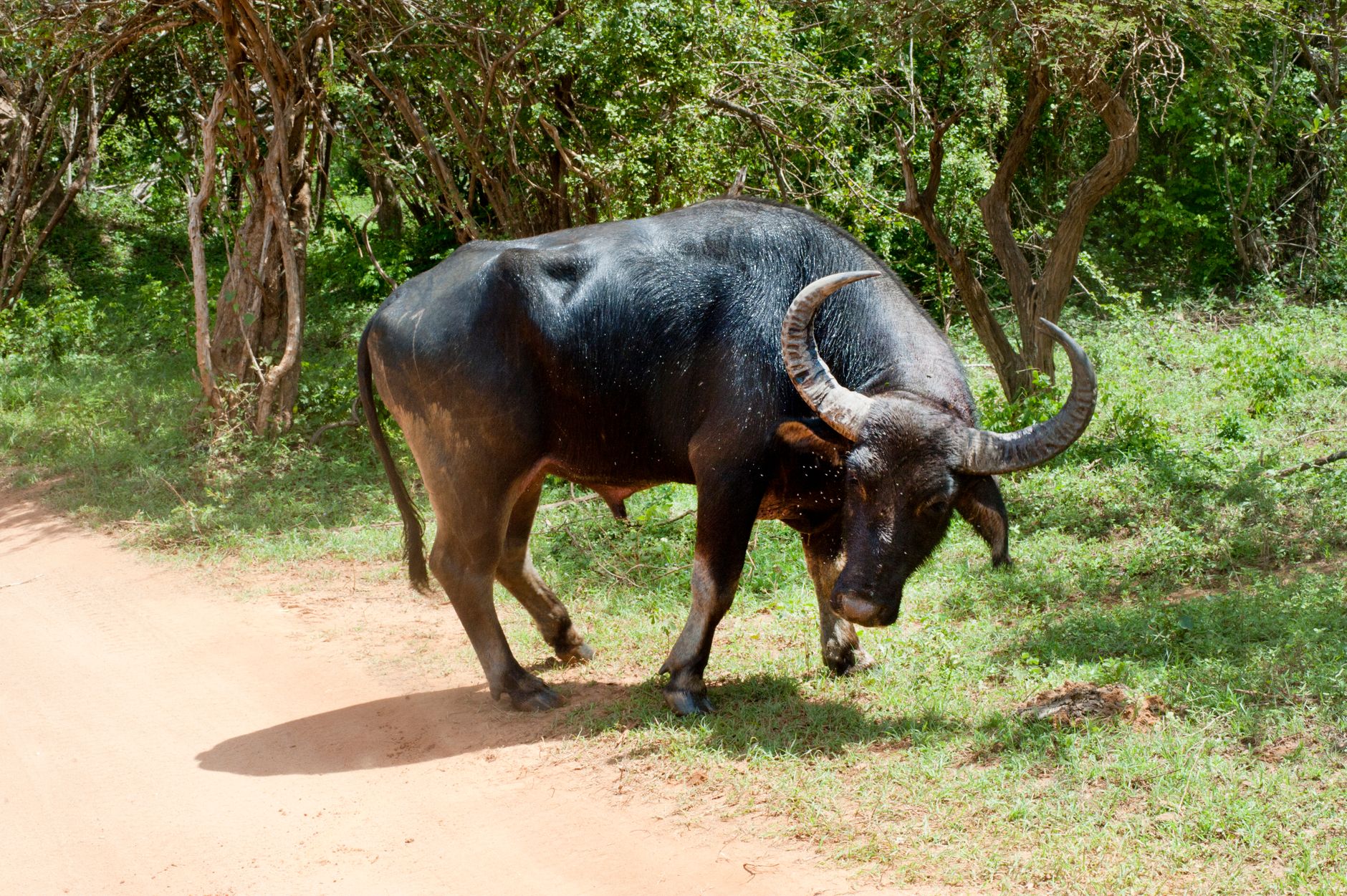
Leopard sightings are Yala's main draw, but manage your expectations. During peak season (December–March), the leopard spotting rate sits around 60–70%, but this drops dramatically in the shoulder and wet seasons. You're almost guaranteed to see sambar deer, spotted deer, monkeys, and water buffalo. Sloth bears are present but sightings are less common—typically 20–30% chance in peak season. Crocodiles inhabit the lagoons, and monitor lizards are frequently spotted. Bird watching is excellent year-round; the park is a critical wintering ground for migratory species.
When should you visit Yala?
Peak season: December to March. This is the dry season when animals concentrate around remaining water sources, making encounters more likely. Leopards are most visible December–February. The weather is hot but predictable, and jeep trails are fully passable. Book safaris weeks ahead if travelling during this window.
Related: Best time to visit Kandy: Weather, festivals & crowds
Related: Accommodation in Hikkaduwa: Where to Stay on Sri Lanka's Surf Coast
Related: Arugam Bay Beach: A Guide to Sri Lanka's East Coast Gem
Shoulder season: April–May and September–November. Fewer tourists, lower prices, and still reasonable wildlife sightings. April–May is hot and dry; September–November sees afternoon rains but mornings are often clear. Leopard spotting rates drop to 30–40%.
Wet season: June–August. The northeast monsoon brings heavy rain, flooding some park roads and reducing accessibility. Some safari operators close temporarily. Wildlife spotting drops sharply, but if you do venture here, prices are lowest and the landscape is lush. Visit /ella/best-time-to-visit for regional seasonal patterns.
How to arrange a safari at Yala
Book through your accommodation or a local operator. Most guesthouses and hotels near Yala (in Tissamaharama, Kataragama, or Arugambe) arrange safaris directly. Prices typically range from 6,000–12,000 LKR per person for a half-day morning safari (5–6 hours), depending on group size and whether you share a jeep or hire privately.
Early morning is non-negotiable. Safaris depart at 5:30–6:00 a.m. Animals are most active in cool morning hours. Afternoon safaris (2:00–5:30 p.m.) are cheaper but significantly less productive. Two-day safaris exist but are uncommon and expensive.
Shared or private jeeps? Shared jeeps cost less but you'll share space with 6–8 other tourists. Private jeeps (4–6 seats) offer flexibility, better photography angles, and the driver can wait longer if wildlife appears. Budget roughly 25,000–35,000 LKR for a private half-day safari split across your group.
Bring a driver or hire one locally. If you're renting a vehicle, a park-experienced driver is essential—they know where animals congregate, read terrain and animal behaviour, and navigate sandy tracks. Hotel staff can arrange this for 2,000–4,000 LKR per day.
Essential gear and preparation
- Binoculars: Compact 8x32 or 10x42 for spotting distant leopards and birds.
- Camera with telephoto lens (300mm+): Wildlife at Yala often requires distance; smartphone zooms will disappoint.
- Sun protection: Wide-brimmed hat, sunscreen SPF 50+, light long-sleeved shirt. The jeep offers little shade.
- Insect repellent: Mosquitoes are present, especially near water.
- Water: Bring 1.5–2 litres per person; the jeep rarely stops for comfort breaks.
- Sturdy footwear: If you disembark (sometimes permitted at designated stops), wear closed shoes for uneven rocky ground.
- Patience and realistic expectations: A leopard sighting is not guaranteed, even in peak season. Enjoy the entire ecosystem—the landscape, birdlife, and other mammals are remarkable.
Park logistics and entry
Entry fee: 5,100 LKR for foreign adults (2025 rates; confirm locally). Paid at the gate near Tissamaharama.
Park gates: The main gate is at Tissamaharama. The Kataragama gate (eastern entrance) is less crowded but requires a longer drive from coastal towns.
Vehicle rules: All visitors must travel in a registered jeep with a licensed driver; private cars are permitted only with a park guide. No off-road driving outside marked trails.
Duration: A half-day safari covers roughly 20–25 km of park roads. A full day (7–8 hours with lunch break) covers 40–50 km and significantly increases wildlife encounter odds, especially for leopards.
Nearby base towns
Tissamaharama: 7 km west of the main gate. Most safari bookings originate here. Small, functional town with guesthouses, restaurants, and jeep rental operators.
Kataragama: 15 km east, near the eastern park gate. A pilgrimage site with the Maha Devale temple. Quieter than Tissamaharama but fewer tourist facilities.
Arugambe (Arugam Bay): 45 km northeast, on the coast. Surfing and beach town; safaris require a longer transfer. Less touristy but more journey time.
See /mirissa and /ella for alternative coastal and highland destinations nearby.
Realistic expectations: The leopard question
Yala has the world's highest density of wild leopards, but "highest density" doesn't mean guaranteed sightings. Peak-season spotting rates hover around 60–70% for shared safaris, dropping to 40–50% in shoulder seasons. Off-season (April, May, June), expect 10–20%. Factors beyond your control include leopard territory movements, weather, other jeeps in the park causing disturbance, and pure luck. Book a full-day safari if a leopard sighting is your primary goal; half-day outings are better for general wildlife and birds.
Ethical considerations
Large concentrations of jeeps can stress wildlife. Drivers sometimes compete aggressively to position vehicles for sightings. If your driver blocks an animal's path or drives off-trail to pursue a leopard, request he stops. Responsible operators prioritise animal welfare; choose one that respects park rules and animal behaviour.
FAQ
Q: Is Yala safe for tourists? A: Yes. The park is actively managed and patrolled. Jeep safaris follow designated trails with ranger presence. The main risks are sun exposure and occasional rough tracks—neither is serious with preparation.
Q: Can I visit Yala without a guide? A: No. Independent exploration is prohibited. All safaris require a registered jeep and driver; park-licensed guides are available for an additional fee (typically 2,000–3,000 LKR).
Q: How much does a Yala safari cost? A: Half-day shared safari: 6,000–8,000 LKR. Half-day private jeep: 25,000–35,000 LKR (for group of 4–5). Full-day private: 40,000–55,000 LKR. Entry fee (5,100 LKR) is additional.
Q: Is January or February better for leopard spotting? A: Both are equally good during peak season. January typically sees slightly higher sightings as water sources are most limited. Book well ahead for both months.