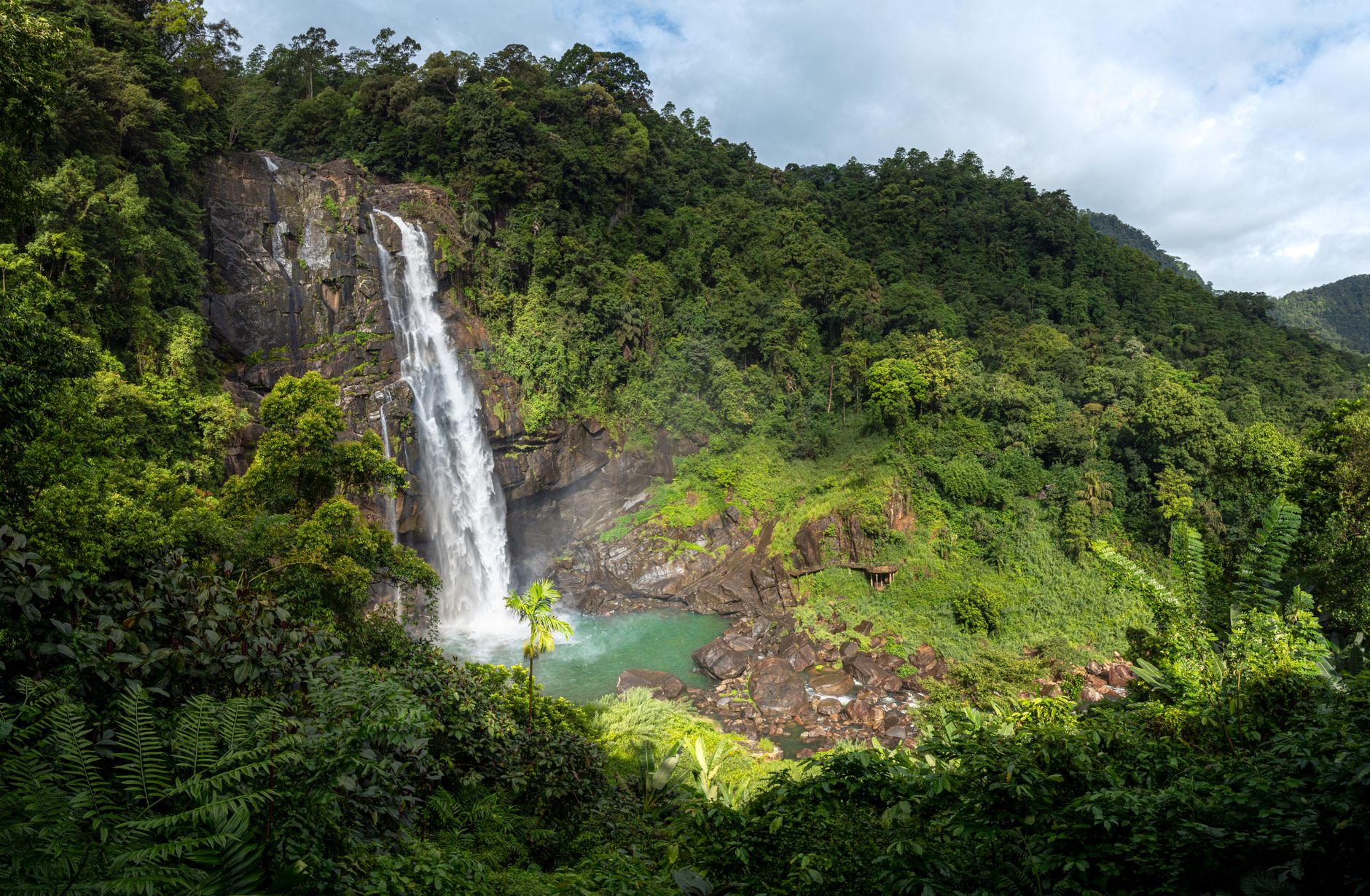
Aberdeen Nature Paradise & Resort: Sri Lanka's Central Highlands Escape
Aberdeen Nature Paradise occupies a quieter corner of Sri Lanka's hill country, where the elevation brings cooler air, frequent mist, and the particular rhythm of tea estate life. Rather than a developed resort complex, it functions more as a nature-focused retreat nestled amongst working plantations and forest patches—offering solitude to those seeking landscape and atmosphere over luxury amenities. The location works well as a base for walking, observing agricultural life, and understanding how the region's altitude shapes both environment and community.
What makes Aberdeen different from other hill country stays?
Unlike Kandy or Nuwara Eliya's busier town centres, Aberdeen sits within actual productive terrain: tea gardens, small forests, and the working infrastructure of the highlands. You're not in a resort town with restaurants lining the streets, but rather embedded in the landscape itself. This means mornings tend toward birdsong rather than traffic noise, and your neighbours are more likely to be tea pickers and forest creatures than other tourists. The isolation appeals to people wanting genuine highland atmosphere rather than concentrated tourism infrastructure—though it also means planning meals and transport requires more thought.
The retreat's proximity to forest fragments and tea plantations means nature access happens on the doorstep: early walks through mist-hung valleys, encounters with local workers during picking seasons, and the daily observation of how altitude shapes light, temperature, and vegetation. Many visitors come specifically to watch tea production in action or to walk routes that pass through active estates.
Related: Sri Lanka Hotels: A Practical Guide to Finding the Right Place to Stay
See also: Black Forest Beach Resort: Location, Facilities & What to Expect
See also: Ayurveda Retreat in Sri Lanka: Find Authentic Treatment & Wellness Centres
Geography and climate: what the altitude brings
Aberdeen sits in the mid-to-upper range of Sri Lanka's central highlands, typically between 1,200 and 1,600 metres above sea level depending on the exact property location. This elevation means temperatures sit 10–15°C cooler than lowland regions—welcome relief during Sri Lanka's hot seasons, though evenings can feel genuinely chilly. Mist and cloud cover dominate, particularly between May and September and again from December through February, creating that particular highland light where visibility can shift from metres to kilometres within an hour.
Rainfall is significant, particularly during the southwest monsoon (May–September), which drives the cool season and sustains the tea industry. The best visibility typically falls between September and April, though mist remains part of the experience year-round. Many travellers find the cooler, misty months atmospheric precisely because they feel removed from Sri Lanka's beach-holiday image—fewer crowds, slower pace, and the sense of being wrapped in mountain weather.
Accessing Aberdeen: transport and practical routes
Aberdeen sits within a network of highland towns and estates rather than on a main tourist highway, which partly explains its quieter character. Most visitors approach via Kandy (roughly 80–100 km away by road, 2.5–3 hours by road), following the scenic Kandy–Nuwara Eliya route before branching toward smaller plantation roads. Alternatively, some arrive from Ella (around 70–80 km, 2–2.5 hours) by navigating through Badulla and surrounding plantation areas.
Road conditions vary: main routes are decent, but approaches to the property may involve narrower plantation roads requiring careful driving or experienced local drivers. Most visitors arrange transport through their accommodation or hire guides who know the terrain. Public buses connect larger towns, though reaching the specific location typically requires local knowledge or pre-arranged pickup. The journey itself—winding through tea terraces, passing estate villages, climbing through shifting cloud—forms part of the experience rather than mere transport.
What to expect once you're there
Accommodation tends toward simple comfort rather than high-end resort finishes: functional rooms, basic amenities, possibly shared spaces where you might meet other nature-focused travellers. The focus remains on location and landscape access rather than hotel facilities. Meals are typically based on local ingredients—rice, dhal, vegetables from surrounding plots, occasionally meat—with Sri Lankan flavours rather than international resort menus. Dietary requirements need communicating in advance, as restaurants or kitchen facilities may be limited.
Activities revolve around the immediate environment: guided walks through tea estates or forest patches, opportunities to observe or participate in tea picking (particularly during peak season from January–March), visits to local tea processing facilities, and sunrise or mist-watching from elevated points. Some properties offer basic nature interpretation or connection with local guides who can explain the ecosystem, agriculture, and village life. The pace is deliberately slow—walks might cover modest distances with frequent stops for viewing, listening, or conversation rather than rapid trekking.
Local context: understanding the tea estate landscape
The hills around Aberdeen are not wilderness but managed agricultural landscape. Tea estates have shaped the environment for over 150 years, creating the distinctive contoured hillsides and established water systems that define the area. Walking here means moving through a cultural landscape where production and nature overlap: you'll encounter estate workers, witness seasonal rhythms, and understand how the region functions economically and socially.
Tea pickers are primarily women from Tamil-speaking communities, with morning and afternoon shifts that structure the estate day. If you're present during picking season (January–March), walks will naturally intersect with this work. Respectful observation and photography with permission is possible; guides can facilitate appropriate interactions and explain the labour conditions, wages, and social structures that underpin the industry.
Small villages dot the plantation areas, with basic shops, small temples or churches reflecting the religious diversity of the workforce, and the intimate scale of highland settlement. Tea estate bungalows—colonial-era manager residences—sometimes appear on walks, remnants of the British period when tea cultivation began.
Comparison: Aberdeen versus other hill country options
Aberdeen differs markedly from Nuwara Eliya, which is a developed town with shops, restaurants, and significant tourist infrastructure centred on gardens and walks from a town base. Kandy offers cultural attractions (temples, museums, the lake), whereas Aberdeen is purely about landscape and agricultural life with minimal built heritage. Ella—another popular hill station—has a younger traveller culture, visible nightlife, and Instagram-friendly viewpoints; Aberdeen lacks that social infrastructure but offers greater quiet and fewer crowds.
For those wanting genuine highland climate, solitude, and insight into how tea production shapes the landscape, Aberdeen's more basic, nature-embedded approach suits better than the town-centred alternatives. For those expecting resort facilities, restaurants, and activity infrastructure, it will feel too simple.
Planning your visit: practical considerations
Seasons: September–April offers the best visibility and cooler temperatures; May–August brings frequent mist and rain but fewer other visitors. December–February is popular with international travellers seeking warmth and clear views.
Duration: A 2–3 night stay allows time to acclimatise to the altitude, take a couple of guided walks, and absorb the atmosphere without the visit feeling rushed. Longer stays suit those interested in tea production cycles or learning to walk the area independently.
What to bring: Warm layers (fleece, jumper), waterproof jacket, comfortable walking shoes with good grip (trails can be muddy), and a torch for early mornings when mist reduces visibility. Sun protection remains important even on cloudy days at altitude.
Health considerations: The elevation causes no severe altitude sickness at these heights, but some travellers notice increased breathing or fatigue; arriving rested and staying hydrated helps. Insect-borne illness risk is lower at altitude than lowlands, though mosquito nets or repellent remain sensible.
Budget: Expect simple accommodation and meals to cost less than resort-style stays in Kandy or Nuwara Eliya, though transport arrangements may add costs if arranging private drivers or guides.
For an introduction to Sri Lanka's highland environment, tea production, and the quieter side of the central hills, Aberdeen offers genuine immersion rather than tourist convenience—which for some travellers is precisely the appeal.
FAQ
How cold does it get? Daytime temperatures typically range 15–22°C depending on season; evenings can drop to 8–12°C. It feels notably colder than coastal Sri Lanka, so warm clothes are essential, particularly for early walks.
Can I visit tea estates and watch production? Yes, if you're staying at the retreat, guides can often arrange visits to working estates or processing facilities. These happen seasonally and require advance notice; respectful observation and photography permissions should be sought from estate management.
Is Aberdeen accessible for those with limited mobility? The terrain is hilly with uneven paths and elevation changes; most walks involve some climbing or descending. Limited accessibility accommodation options exist; check directly with the property about specific needs.
What's the nearest town for supplies or restaurants? Small towns dot the surrounding plantation area (names and distances vary by specific location); most visitors rely on the accommodation's kitchen or pre-arranged meals rather than external dining options. Plan accordingly or communicate dietary needs in advance.
Rooms and accommodation options
Aberdeen Nature Paradise & Resort offers accommodation designed to suit travellers who prioritise environment over extravagance. Rooms are generally comfortable and clean without striving toward luxury-hotel standards—expect beds with adequate warmth given the altitude, hot water (essential given cool highland temperatures), and windows that frame the surrounding tea country or forest. Some room types open onto shared or private verandas where morning mist and birdsong make a reasonable substitute for any spa experience.
The property suits couples, solo travellers, and small groups seeking quiet rather than families expecting resort-style entertainment or extensive children's facilities. If you have specific requirements—extra blankets, dietary needs, early breakfast before a morning walk, or a particular room orientation—communicate these directly at the time of booking rather than assuming highland properties carry the same flexibility as larger hotels. Room numbers tend to be limited, which keeps the atmosphere intimate but also means availability fills reasonably quickly around Sri Lanka's peak travel months of December through March and during local holidays.
Nearby attractions and day excursions
Aberdeen's position within the central highlands places it within reach of several points of interest that reward a half-day or full-day excursion.
**Horton Plains National Park** is among the most rewarding destinations accessible from the region. The plateau sits at roughly 2,100 metres and contains World's End—a dramatic escarpment with views dropping hundreds of metres to the lowlands on clear mornings. Early arrival (before cloud rolls in around mid-morning) makes the difference between a spectacular viewpoint and a wall of white. The park also shelters sambar deer, endemic birds such as the yellow-eared bulbul, and montane grassland ecosystems found nowhere else on the island.
**Adam's Peak (Sri Pada)** is reachable as a longer excursion, particularly meaningful between December and May when pilgrims ascend through the night to watch sunrise from the summit. The climb is demanding but well-organised with tea stalls and rest points along the route—a very different atmosphere from Aberdeen's solitude, but a memorable contrast.
**Nuwara Eliya** functions as the region's main service town, offering markets, bakeries, colonial-era architecture, and the Gregory Lake area. It provides a practical day out for resupplying, changing money, or simply observing a highland town that still carries visible traces of British hill-station planning. The drive between estates and town passes some of the most photogenic tea terraces in the country.
**Local tea factories** welcome visitors during working hours at various points along the highland roads. Watching withering, rolling, oxidation, and drying within a single facility gives concrete meaning to the tea-estate landscape you're walking through each day. Staff are generally willing to explain the process; a small tip is appropriate.
**Ella** is reachable as a longer day trip and offers the Nine Arch Bridge, Little Adam's Peak, and a livelier traveller scene if you want contrast with Aberdeen's quietude. The road between the two passes through Badulla and offers continuous highland scenery.
Booking and pricing considerations
Aberdeen Nature Paradise & Resort operates with limited room inventory, which makes advance booking advisable particularly for travel between December and March and during Sinhala and Tamil New Year in April. Booking through the property directly—where contact details are listed on their official channels—can sometimes offer more flexibility around special requests than third-party platforms, though comparison sites like Agoda and Booking.com provide useful reference points for prevailing rate ranges.
Pricing generally reflects the property's nature-retreat positioning rather than a five-star tier: rates tend to be moderate by Sri Lankan tourism standards, though they can shift with season, room type, and whether meals are included. Clarify at the time of booking whether rates cover breakfast or full board, as the relative remoteness of the location makes on-site dining the practical default for most guests. Understand the cancellation policy before confirming, particularly if your itinerary depends on road conditions or connecting transport that highland weather can occasionally affect.
Travel insurance covering activity-related excursions and highland weather disruption is worth considering given the terrain. Payment methods at remote highland properties can be limited, so confirm whether card payments are accepted or whether cash in Sri Lankan rupees is preferable.