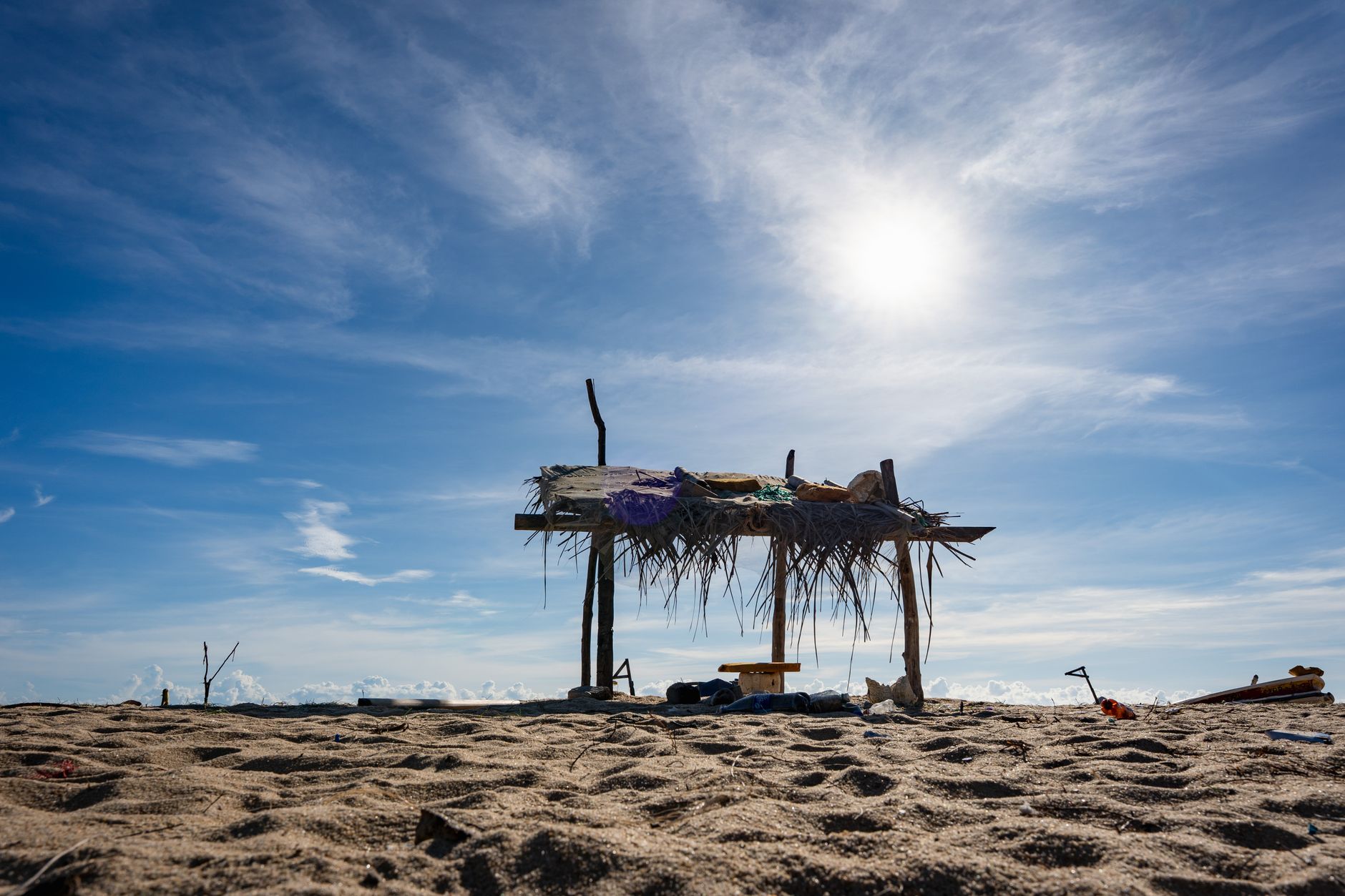
Beach Huts in Arugam Bay: Where to Stay by the Shore
Arugam Bay's beach huts remain among Sri Lanka's most straightforward coastal accommodations—simple wooden structures anchored to the sand, where waking to the Indian Ocean is part of the package. Unlike resorts with polished lobbies and tiered pricing, these huts operate on a fundamentally different rhythm, catering to surfers, backpackers, and travellers seeking immersion rather than insulation from the beach environment.
Most establishments cluster along the northern curve of the bay, with direct access to the beach from your doorstep. Rooms typically feature concrete or wooden floors, mosquito nets (essential), squat or Western toilets depending on the hut, and basic furnishings—a bed, perhaps a small table, occasionally a fan. Air conditioning is rare; ocean breezes and salt-stained windows are the cooling system. What they lack in amenities, these huts compensate for through location, affordability, and the unfiltered beach experience that draws people here repeatedly.
What defines a beach hut stay in Arugam Bay?
The huts operate as semi-social spaces where guests naturally intersect at communal dining areas or on sand-swept verandas. Proprietors typically cook meals to order—fresh catch grilled for dinner, kottu roti for breakfast—using family recipes rather than standardised menus. Wi-Fi exists at most places now, though connection fluctuates with monsoon weather and network load. Power cuts happen; torches and early bedtimes are part of the adaptation.
Related: Best Hotel in Trincomalee: What to Look For
See also: Black Forest Beach Resort: Location, Facilities & What to Expect
See also: Horton Plains, Sri Lanka: A Guide to the Misty Highlands
You're not paying for fresh linens daily or housekeeping attention. Instead, you're trading predictability for proximity: step outside and you're walking on sand within seconds. This appeals intensely to surfers tracking swell forecasts and timing paddle-outs around tide changes, and to travellers who find the conventional hotel formula exhausting.
Choosing between northern bay and quieter areas
The main concentration of huts sits along the northern beach, where the road runs closest to the shore and foot traffic peaks during peak season (July to September for surfing, December to February for general tourism). This zone feels livelier—more restaurants within walking distance, easier access to hiring boards, younger traveller density. The trade-off is noise: other guests, roosters, the occasional generator hum.
Southern sections near Pottuvil Lagoon offer greater tranquility but require walking or arranging transport into town for meals. Huts in these quieter zones suit those seeking solitude or couples wanting to disconnect from backpacker circuits. Sunset quality doesn't change; the view remains equally compelling.
What to expect practically
Rooms cost significantly less than beachfront hotels in Mirissa or Unawatuna—typically 1,500–4,000 Sri Lankan rupees nightly depending on season and hut standard. Higher prices tend toward slightly better maintenance, private verandas, or en-suite bathrooms rather than shared facilities. Booking directly through proprietors is common; many maintain Facebook pages or basic websites, and email responses can take a day or two, reflecting the location's distance from high-speed connectivity.
Bring minimal luggage. Storage is tight; wardrobes are small. Items you'll genuinely want: a sarong (drying quickly is essential in humid salt air), reef shoes for rocky sections, sunscreen (quality varies locally), a torch, and earplugs if you're sensitive to roosters or neighbouring hut noise. The beach itself provides the primary entertainment—surfing, swimming, walking to lagoon viewpoints, sitting with tea and a book while the ocean works.
Food quality hinges on the proprietor's approach. Cheaper huts serve basic plates competently; establishments charging slightly more often prepare meals with care, sourcing fish daily and adjusting spice levels to preference. Negotiate meals when booking; full board (breakfast and dinner included) can represent genuine savings and simplifies evenings when you're too tired to walk into town.
Seasonal considerations
The monsoon season (May–September) brings consistent swell and fewer tourists, meaning cheaper rates, emptier beaches, and occasional rough conditions underfoot. Waves suit experienced surfers; swimming becomes riskier. November through March offers calmer seas, warmer weather, and fuller hut rosters. August is peak for both surfers and backpackers. If solitude appeals, May, June, or April present fewer crowds and negotiating leverage on nightly rates.
Rain during monsoon months is typically brief and intense rather than all-day drizzle. Huts with proper drainage systems age better; inspect the roof and ask proprietors directly about water ingress during heavy spells—a practical question that reveals how well-maintained a place actually is.
The social fabric
Unlike hotels where guests remain isolated in rooms, beach huts encourage interaction through necessity and design. You eat communally if you choose, swap travel stories on verandas, discuss swell forecasts and board recommendations. This suits solo travellers seeking connection and groups wanting informal bases. It equally suits those seeking to be left alone—no staff will disturb you once you've paid.
Property security is generally reliable; theft from rooms is infrequent, though keeping valuables on your person remains sensible. Proprietors are invested in guest safety and often offer ride recommendations to nearby sites like Pottuvil Lagoon or Kumana Sanctuary.
Comparing Arugam Bay to nearby alternatives
Mirissa's beach huts offer slightly higher standards and a party-focused atmosphere; Arugam Bay's remain rawer and more sport-oriented. Hikkaduwa's huts centre on reef snorkelling and coral-focused tourism. Arugam Bay's distinction lies in its serious surfing credentials, relative isolation (the eastern coast feels genuinely distant from western tourism circuits), and a community built around wave-chasing rather than generic beach leisure. The bay suits travellers seeking substance—a reason to stay, not merely a place to pass through.
Practical travel logistics
Arugam Bay sits roughly four hours by bus from Colombo via Batticaloa, or an 8-hour drive from Ella. Coming overland, you'll pass through Batticaloa town, where buses depart regularly; expect dusty routes and slow speeds reflecting road conditions on the eastern coast. Once in the bay, huts are walkable; most lie within 15 minutes on foot. Hiring a tuk-tuk for the day costs around 1,500–2,000 rupees and opens access to lagoon viewpoints and inland sites without the heat of walking.
ATMs exist in Pottuvil, about 15 minutes by tuk-tuk from the bay itself. Withdrawing cash before arriving is safer. Mobile networks are adequate; SIM cards are inexpensive and immediate once purchased at any shop. Water from taps is not reliably safe for drinking; huts provide filtered water, often in earthen pots that maintain natural coolness.
FAQ
Are beach huts safe for solo female travellers? Yes. Arugam Bay has a strong reputation for safety; proprietors are protective of their guests, and the community aspect means others are nearby. That said, apply standard precautions: avoid isolated walks at night, inform someone of your movements, and trust your instinct about individual huts and proprietors. Most female travellers report positive, uneventful experiences.
Can I book beach huts in advance during peak season? Absolutely. July–September for surfers and December–February for general tourism do fill quickly. Contact huts via Facebook, email, or WhatsApp at least two weeks ahead during these windows. Off-season (March–June) allows walk-up bookings without difficulty.
What's the difference between a beach hut and a beachfront hotel? Huts are typically owner-operated, simple structures with minimal amenities; you're paying for location and authenticity rather than service. Hotels offer housekeeping, standardised rooms, and formal dining. Huts suit those comfortable with basic comfort; hotels suit those prioritising predictability and convenience.
Do I need to surf to stay at Arugam Bay huts? No. Non-surfers enjoy the bay equally—walking, reading, swimming during calm periods, or simply existing by the ocean without agenda. The surfing community is welcoming to non-participants; your presence doesn't require participation.