Best Places in Sri Lanka for Wildlife Safari
Sri Lanka's national parks deliver consistent wildlife encounters across small geographic distances. Your best bet depends on what you're chasing: if leopards and elephants are priorities, Yala National Park in the southeast remains your highest-probability destination, though sightings vary. Udawalawe National Park offers calmer, more intimate elephant experiences. Sinharaja Rainforest—a UNESCO site—rewards patience with endemic birds and reptiles found nowhere else on Earth. Bundala draws waterbirds and migratory species. Success hinges on season, early-morning game drives, and accepting that wildlife sightings remain unpredictable.
Why Yala National Park for Leopards?
Yala, sprawling across 141,000 hectares in the southeast, holds Sri Lanka's highest leopard density. The park's mosaic of dry scrubland, grassland, and water tanks creates ideal hunting grounds for these solitary cats. You're statistically most likely to encounter leopards—or at least fresh pugmarks—on Jeep safaris here compared to anywhere else on the island.
But manage expectations: even at Yala, sightings aren't guaranteed. The dry season (May to September) concentrates wildlife around permanent water sources, pushing leopard encounters up in frequency. Morning drives (6:00–10:00 a.m.) yield better results than afternoon outings. Leopards hunt at dawn and dusk; midday heat drives them into cover.
Related: Best Places in Sri Lanka for Tea Plantation Tours
See also: Is Arugam Bay Worth Visiting? An Honest Take
See also: Hikkaduwa for Solo Travellers: Safety and Practical Tips
Yala also harbours spotted deer, sambhur, wild boar, crocodiles, and over 200 bird species. The landscape feels genuinely wild—rocky outcrops, dense scrub, and sight lines that shift with each bend. Guides with strong tracking skills make the difference between hour-long monotony and spine-prickling moments when a leopard emerges from the tree line.
Visit Yala's best time guide for detailed seasonal breakdown.
Udawalawe: Elephants and Easier Access
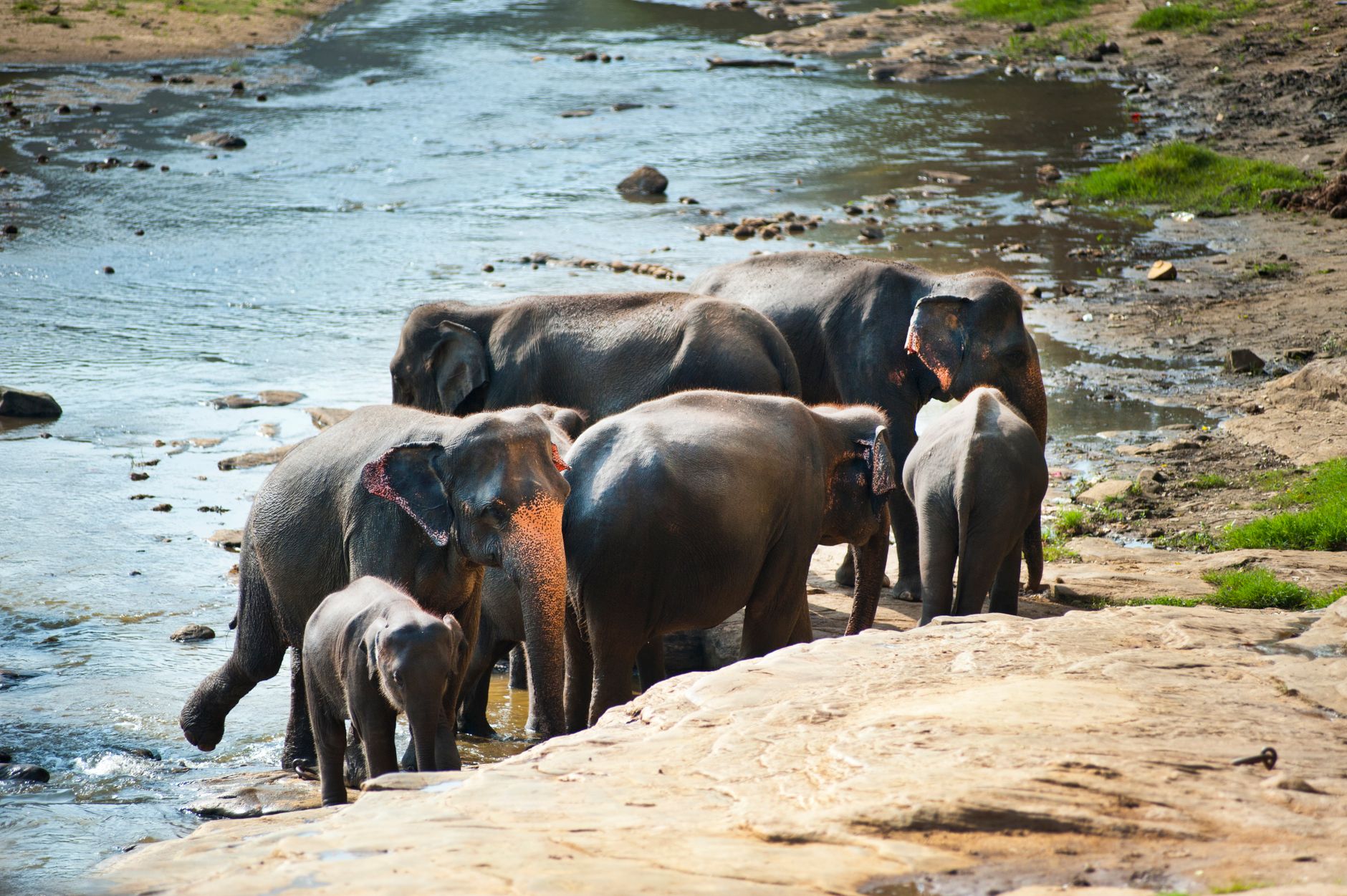
Udawalawe National Park, centred around a 24-kilometre reservoir, concentrates elephants more reliably than any other site. You'll regularly spot herds of 20–50 individuals drinking, bathing, and crossing the road—something Yala cannot always promise.
The park's 30,821 hectares of grassland and scrubland create sight lines ideal for photography. Water buffalo, sambhur, and spotted deer are abundant. Birdwatchers find over 400 species, including the endemic Sri Lankan junglefowl and painted stork colonies.
Udawalawe suits travellers seeking less-crowded safari experiences than Yala while maintaining strong wildlife guarantees. The park feels more intimate; drives feel less formulaic. Early morning offers the steadiest action—elephant herds move toward water sources between 6:00 and 9:00 a.m.
Sinharaja Rainforest: Endemic Species and Wet-Zone Ecology
Sinharaja, a UNESCO World Heritage Site in the southwestern wet zone, operates entirely differently from Yala and Udawalawe. This is rainforest—dense, dripping, alive with amphibian calls and canopy movement—not savanna. You won't see elephant herds or open-ground hunts.
What you will find: endemic species found nowhere else—the Sri Lankan whistling thrush, red-faced malkoha, and Sinharaja wood pigeon call these trees home. Reptile diversity is exceptional: serpents, skinks, and geckos occupy every vertical layer. Guided forest walks, not Jeep safaris, are the mode here. Progress is slow; rewards are patience-dependent. A skilled naturalist spotting a herpetofauna behaviour—a frog's territorial call, a snake's hunting posture—becomes your highlight.
Best visited June to September or November to February, when moisture and canopy activity peak. The wet season (April–May, October–November) brings relentless rain; trails become slick and visibility drops, though amphibians and breeding birds increase.
Learn more at Sinharaja's guide.
Bundala National Park: Waterbirds and Lagoons
Bundala, a Ramsar wetland site on the southern coast, transforms November to April when migratory waterbirds arrive from Central Asia. Resident painted storks, greater flamingos, and purple herons are present year-round, but numbers explode mid-winter.
A half-day visit offers genuine value. The park's lagoon systems create intimate watching—you'll glass flamingo flocks at close range, observe tern colonies, and spot crocodiles basking on mudflats. Birdwatchers find over 200 species. Leopards, though present, are rarely encountered compared to Yala.
Bundala suits birdwatchers, photographers chasing waterbird spectacle, and anyone seeking a shorter, less physically demanding safari experience.
Comparison: Which Park for Your Interests?
Big-cat enthusiasts: Yala, May–September. Accept that no visit guarantees a sighting; focus on tracking skills and landscape drama.
Elephant-focused trips: Udawalawe, any season. Higher success rate; easier logistics; less crowded than Yala.
Endemic biodiversity: Sinharaja, June–September or November–February. Rainforest walks with naturalists; expect slow-paced immersion over dramatic sightings.
Waterbirds and photography: Bundala, November–February. Half-day or full-day options; high bird concentrations; relatively short drive from Galle.
Safari Logistics and Realistic Expectations
Timing matters urgently. Early-morning departures (5:30–6:00 a.m.) catch animals at water sources and during active feeding. Afternoon drives (2:00–6:00 p.m.) yield fewer sightings; heat drives wildlife into shade.
Guides are your lifeline. A naturalist skilled in animal behaviour, tracking signs, and park geography transforms a forgettable drive into a memorable outing. Experienced guides know which water tanks hold concentrations, which ridges spot leopards, which light angles favour photography.
Season shifts probability dramatically. Yala's dry season (May–September) compresses animals around remaining water; wet season (November–April) disperses them. Udawalawe remains relatively consistent year-round because its reservoir holds water throughout. Sinharaja's canopy activity and amphibian calls peak during wet months; dry season brings frustrating silence.
Vehicle matters. Open-sided Jeeps allow 360-degree viewing and unobstructed photography. Sealed vans limit sightlines and create distance from the landscape.
Sightings remain unpredictable. Even seasoned guides cannot guarantee leopard or elephant encounters. Visiting twice increases your probability; accept a single visit carries real risk of missing major species.
Best Time Across Parks
- Yala: May–September (dry season, water concentration)
- Udawalawe: June–September (peak conditions)
- Sinharaja: June–September, November–February (canopy activity, rainfall)
- Bundala: November–February (migratory waterbirds peak)
For deeper seasonal strategy, explore Ella's best time guide and central highlands timing if combining safari with other regions.
FAQ
What's the realistic chance of seeing a leopard in Yala?
With experienced guides during the dry season (May–September), sighting probability sits around 50–70%. Morning drives and multiple days increase odds. Wet-season probability drops below 30%. Spotting fresh tracks without seeing the animal itself is common and still thrilling for most visitors.
How long should a safari last?
A full-day drive (6:00 a.m.–6:00 p.m.) with a lunch break offers best value, particularly at Yala or Udawalawe. Half-day options (morning only) work for Bundala or secondary parks. Sinharaja forest walks typically run 2–4 hours with guides.
Can I visit multiple parks on one trip?
Yes. Yala and Udawalawe lie roughly 140 kilometres apart (3–4 hours driving). Combining a two-day Yala visit with two days at Udawalawe creates variety and boosts species totals. Bundala is further west; Sinharaja requires travel to the wet zone. A week-long safari circuit spanning three parks is feasible but logistically demanding.
Should I book a private guide or join a group tour?
Private guides offer flexibility, vehicle choice, and personalised pace. Group tours reduce cost and provide social experience. Quality varies significantly in both; research operators' guides' credentials before booking. Reading recent visitor reviews focusing on guide skill rather than scenery descriptions helps.