Best Tea Plantations in Sri Lanka: Where to Visit and What to Expect
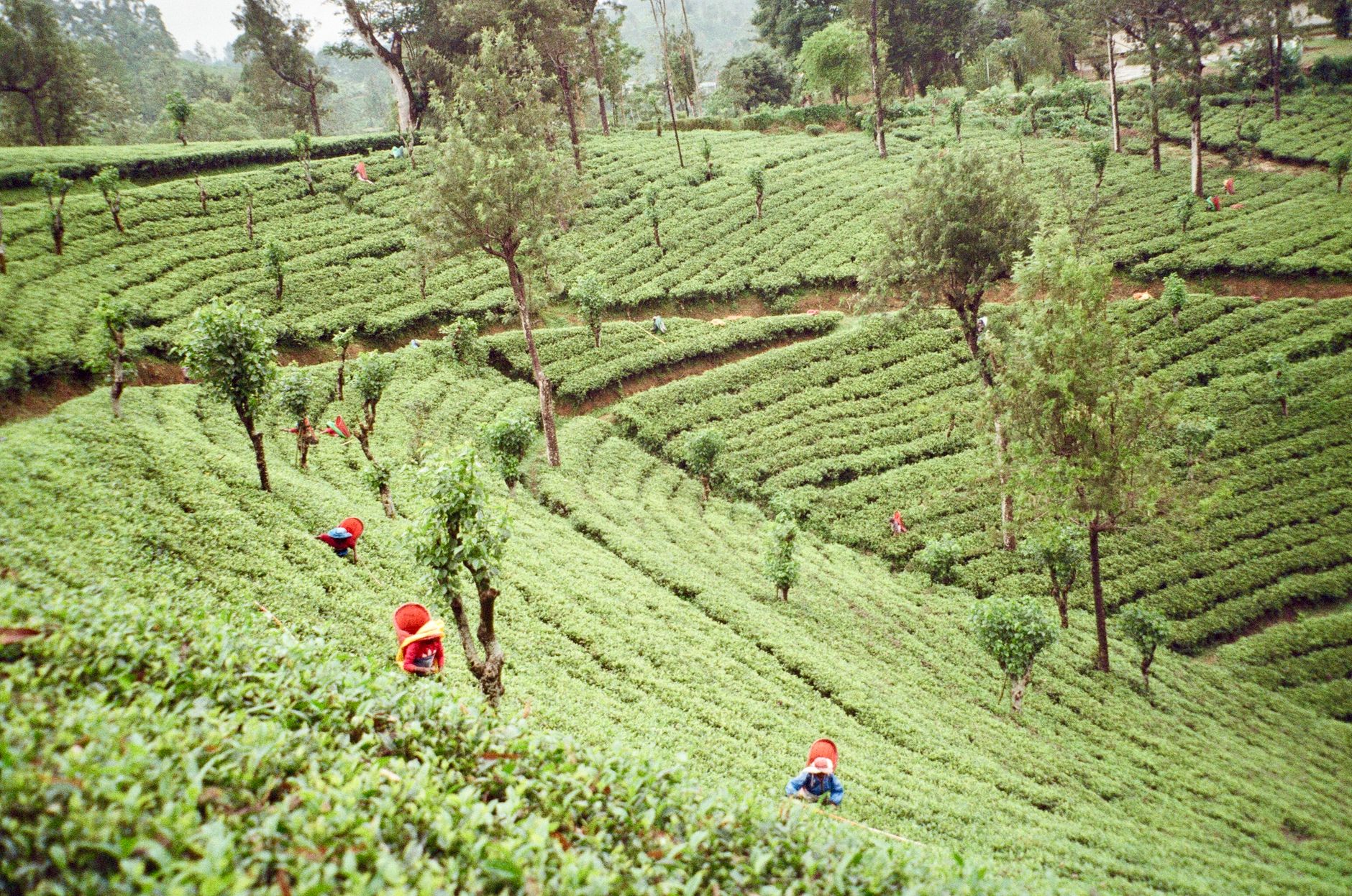
Sri Lanka grows over 340 million kg of tea annually, making it the world's third-largest producer. The central highlands—specifically Nuwara Eliya, Kandy, and Badulla—hold the best plantations. You'll see working estates, learn production methods, taste fresh leaf, and walk between rows of pruned bushes. Most visits run 2–4 hours; costs range from £15 to £50 depending on the plantation and package.
Which tea regions matter most?
Nuwara Eliya (1,868 m elevation) produces the finest, lightest teas. Estates here include Labookellie, visit Nuwara Eliya's guide for full location details. The altitude creates the complex, delicate flavours prized globally.
Kandy (600–1,400 m) grows mid-range teas. More accessible than Nuwara Eliya; closer to the west coast. Less tourist infrastructure but genuine working estates.
Related: Nallur Kandaswamy Kovil: A Complete Guide
Related: Negombo with family: what works and what to skip
Related: Is Hikkaduwa Worth Visiting? An Honest Take
Badulla (680 m) produces robust, full-bodied teas. The warmest region; lower prices; fewer organised tours but plenty of small, family-run plantations.
Elevation determines tea grade. Higher altitude = slower growth = more complex flavour = higher price. A Nuwara Eliya first flush costs 2–3× a Badulla equivalent.
What do plantation visits actually include?
Standard tour (£15–25): 1–2 hours. Walk the fields. See plucking. Visit the factory; watch withering, rolling, and drying. Taste brewed leaf. No accommodation. Best for day-trippers.
Factory tour with tasting (£20–35): 2–3 hours. Deeper factory access. Meet the tea master. Compare multiple grades side-by-side. Learn grading classifications (OP, BOP, Dust). Often includes a light meal or snacks.
Immersive experience (£40–80): 4–6 hours or full day. Pluck your own leaf (seasonal). Participate in processing. Stay for lunch. Some estates offer overnight stays, but these are rare and pricy.
Peak season (January–March, August–September): Estates run full shifts. Highest foot traffic. Teas are fresh.
Off-season (May–July, November–December): Some estates close to maintenance crews. Fewer tourists. Harder to arrange same-day tours.
Which plantations offer the best visitor experience?
Labookellie Estate (Nuwara Eliya) remains the most visited and best-organised. 40-minute drive from Nuwara Eliya town; easy parking; full factory tour; tea bar serves fresh brews at £2–5 per cup. Rating: 4.5/5 (1,200+ Google reviews). Cost: £20–30 per person. Tour duration: 2 hours.
Pedro Tea Estate (Nuwara Eliya) is smaller, quieter. More personal attention. Same elevation and tea quality as Labookellie. Cost: £15–25. Fewer reviews but consistent 4.7/5 rating. Go if you want fewer crowds.
Glencairn Tea Estate (Kandy district) is accessible from Kandy town (45 minutes by road). Lower altitude (1,000 m) but still high-grade tea. Less tourist focus; more working estate feel. Cost: £20–30. Allow 3 hours.
Macwood Tea Estate (Badulla) offers good value. 1.5 hours from Ella town. Teas are darker, fuller. Factory tour is thorough. Lunch included at £35–40 per person. Worth the journey if you're already in Ella.
Comparison: Volume vs. authenticity. Labookellie handles 20+ visitors daily. Slick operation. Pedro and Glencairn take 4–8. You'll meet the staff; questions get thoughtful answers. Macwood is working-focused, not tourist-focused; expect less English and more genuine estate experience.
When should you go?
Peak harvest: January–March and August–September. Plucking is visible. Factories run at capacity. Book ahead; you may wait 30 minutes to start a tour.
Shoulder season: April, October, November. Fewer tourists. Estates still operate. Weather can be wet; bring a rain jacket.
Off-season: May–July. Heavy rain. Some small estates close. Not recommended unless you're accustomed to muddy terrain.
Best day and time: Tuesday–Thursday, 9:00–11:00. Weekends and afternoons are busier. Avoid Mondays; some estates close for maintenance.
How much should you spend?
Budget option (£15–20): Walk-in tour at a popular estate. No frills. Standard factory view. One tea tasting included.
Mid-range (£25–40): Pre-booked tour with a guide. Factory access plus tea master's commentary. Light snacks. Souvenir tea packet (50 g) included.
Premium (£50–100): Private guide, small group (max 6). Plucking experience. Lunch. Multi-estate visits in one day. Custom tastings. Only book at high-end hotels or through reputable agents.
Tea purchases: Expect to spend £8–20 per 100 g of premium high-grown. Estates sell directly at 30–40% below international retail. Buy at source; quality is guaranteed.
How to get there and what to expect logistically
By car/jeep: Hire a driver from your hotel or through an agent. 3–5 hours from Colombo to Nuwara Eliya. Allow 2 hours from Kandy. Roads are steep, winding, narrow. Not pleasant if you're driving yourself; hire someone.
By public bus: Cheaper (£2–5) but slow and crowded. Not practical if you want a specific departure time.
From Ella: Closest town to Badulla plantations. 1.5–2 hours by jeep or bus. Check Ella's guide for more.
Physical demands: Steep hills, muddy paths (rainy season), uneven ground. Wear trainers with grip. Not suitable for mobility issues.
Worth a multi-day stay?
Yes, if you're tea-focused. Three days allows:
- Day 1: Nuwara Eliya estate (e.g., Labookellie).
- Day 2: Kandy district estate or Nuwara Eliya's second plantation (Pedro).
- Day 3: Badulla or Ella region estate.
You'll understand terroir, elevation differences, and production methods properly. Most visitors do one estate in a day trip; they miss the depth.
Best time to visit Ella overlaps with tea season; plan accordingly if combining Ella with Badulla plantations.
FAQ
Can I buy Ceylon tea at the plantation cheaper than in shops? Yes. Direct estate prices run £8–15 per 100 g for high-grown; retail in Colombo is £15–25 for the same. Buy in bulk (500 g+) for better discounts. Ask for their direct wholesale rate.
Do I need to book ahead? Labookellie accepts walk-ins but there may be a wait. Smaller estates require 24–48 hours' notice. Booking guarantees a guide at your preferred time. Use your hotel concierge or email the estate directly.
Is the tea freshly made when I taste it? Yes, almost always. Guides brew it from the day's harvest or stock. It's one of the few places you'll taste genuinely fresh Ceylon tea. Savour the experience; export tea sits in containers for months.
What's the difference between a first flush and second flush? First flush (January–March) is lighter, more delicate, prized by experts. Second flush (August–September) is darker, more robust, better for daily drinking. Both are excellent; first flush costs 20–30% more.