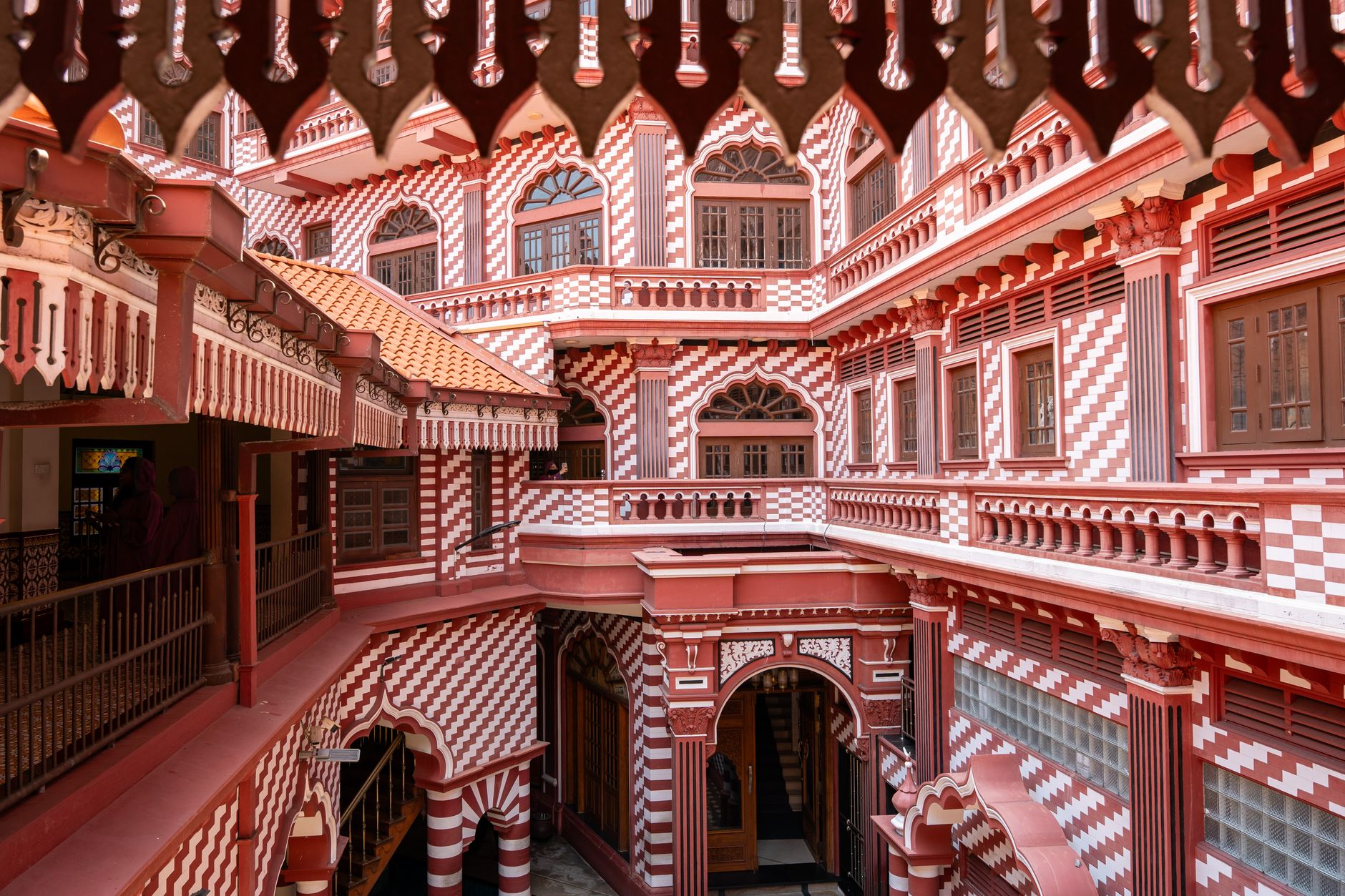
Clock Inn Colombo: A Guide to the Historic Landmark and Area
The Clock Inn, situated in the Fort district of Colombo, is a distinctive Victorian-era structure that has served as a visual anchor in the city's landscape since the colonial period. Originally built as a pub and residential establishment during the British occupation, the building's ornate clock tower has become one of Colombo's most photographed architectural features, offering both historical intrigue and practical value as a meeting point for locals and visitors navigating the bustling district.
What is the Clock Inn and why does it matter?
The Clock Inn represents a particular moment in Colombo's urban development when the British were actively reshaping the city's infrastructure and social spaces. Rather than a single monumental building, it functioned as part of the commercial and leisure fabric of colonial Fort—a place where traders, merchants, and officials would gather. The clock tower itself, visible from multiple streets, became essential for timekeeping in an era before widespread personal watches, making it both a practical civic feature and a symbol of imperial order.
Today, the Clock Inn's weathered facade and prominent clock remain recognisable landmarks, though the building has changed hands and purposes over the decades. It's not a major tourist attraction in the conventional sense, but rather a working piece of Colombo's urban texture—a building you'll naturally encounter when moving through the Fort district, and one worth understanding within its historical context.
Related: Grizzly Basin Photos and Hiking Guide
See also: Kanneliya Rainforest: Wildlife, Trails & Visitor Guide
Related: Hotels in Ella, Sri Lanka: Where to Stay in the Hill Country
Where exactly is it, and what's nearby?
The Clock Inn stands along the main commercial corridors of Fort, the colonial-era administrative and trading hub that still forms Colombo's densest business district. The immediate area buzzes with activity: small shops, jewellers, currency exchanges, and food stalls occupy street level, whilst office buildings rise above. The streets themselves are narrow and often crowded, particularly during working hours, reflecting the area's continued importance as Colombo's financial and commercial heart.
Within walking distance, you'll find several sites worth your attention. The Old Parliament Building (now the Presidential Secretariat) sits nearby, displaying similar Victorian institutional architecture. The Colombo Fort Railway Station, an ornate structure in its own right, is within reasonable walking distance. The waterfront, where colonial warehouses have been partly converted into restaurants and cultural spaces, offers a sense of how this district once functioned as the gateway for goods entering the island. Street food vendors cluster around the Clock Inn area itself, particularly in the late afternoon, serving kottu roti, lamprais, and short eats to office workers heading home.
What does the Clock Inn tell you about Colombo's history?
The Clock Inn exemplifies how colonial Colombo developed as a European-style trading city overlaid onto an existing settlement. The Fort district wasn't a natural harbour—the Dutch and later the British engineered the harbour through fortifications and infrastructure. Establishments like the Clock Inn served the colonial community's social needs, functioning as bars and gathering spaces where the business of empire could be conducted informally, away from formal offices.
The architecture itself—Victorian Gothic mixed with tropical adaptations like deep verandahs and high ceilings for ventilation—reflects how British builders attempted to impose their aesthetic whilst responding to the climate. The ornate clock tower, in particular, represents Victorian confidence in technology and timekeeping as markers of civilisation and progress. For a contemporary visitor, standing in front of the Clock Inn offers a tangible connection to this layered history, rather than understanding it as something distant or abstract.
After independence in 1948, Fort gradually transformed from an exclusively colonial space into Colombo's main business district, where Sri Lankan and international corporations, banks, and government ministries cluster. The Clock Inn survived this transition, though its original function as a social establishment gave way to other commercial uses. This continuity—the building enduring through significant political and economic shifts—is itself historically significant.
Is it worth visiting, and how to see it?
The Clock Inn isn't a destination requiring a dedicated trip or lengthy time investment. Instead, it's best encountered as part of a walking exploration of Fort, ideally during mid-morning or late afternoon when the light is softer and the streets slightly less chaotic. If you're based in Colombo for more than a day, a stroll through Fort—starting perhaps at the railway station or the waterfront—naturally leads you past the Clock Inn.
When you arrive, take a moment to look upward at the clock tower itself, which remains functional and visually striking. Photograph it if you wish, but also notice the street-level activity: the informal economy, the mix of languages spoken, the rhythm of Colombo's working day. The building's interior is not generally accessible to casual visitors, and that's appropriate—it's a functional commercial space, not a heritage museum.
The Fort district can feel overwhelming for first-time visitors, given its density, traffic, and sometimes aggressive street vending. Visiting during weekday mornings tends to be less chaotic than evenings. Remain aware of your belongings, as with any crowded urban area. If you're unfamiliar with Colombo, you might pair a Clock Inn visit with time at nearby attractions like the waterfront or the Old Parliament Building, so you gain a sense of how colonial architecture is distributed across the district.
Comparison: Clock Inn versus other Colombo landmarks
Unlike major heritage sites such as the Galle Face Hotel or the National Museum, the Clock Inn lacks interpretation boards, opening hours, or admission fees. It's fundamentally different from managed tourist attractions—it's a working building that happens to have historical significance. This makes it more authentic in some respects, as you're seeing a real piece of the city functioning as it does daily, rather than a preserved or curated version.
If your time in Colombo is limited, prioritise the Clock Inn only if you're genuinely interested in colonial architecture and urban history. If you're focused on museums, art galleries, or formal historical sites, the National Museum or Colombo Fort Railway Station offer more structured, interpretative experiences. However, if you're already exploring Fort—which is essential for understanding modern Colombo—the Clock Inn is unmissable simply because you'll walk past it, and knowing its history enriches that encounter.
Practical tips for visiting
Wear comfortable walking shoes; Fort's streets are uneven and crowded. Carry less cash than you normally would—whilst Fort is relatively safe during daylight, pickpocketing is a known risk in crowded areas. The area is best explored on foot rather than by three-wheeler or taxi, as traffic moves slowly anyway and you'll miss details from a vehicle.
If you want to eat near the Clock Inn, street vendors offer the most authentic and affordable options, though they cater primarily to office workers—cleanliness standards vary, so eat where you see busy queues of locals. For more formal dining, the nearby waterfront area has restaurants in converted colonial buildings offering better sanitation and English menus.
Pharmacies, mobile phone shops, and currency exchanges cluster throughout Fort, so it's a practical area to handle errands alongside sightseeing. The railway station is useful for orientation; if you find yourself lost, asking directions to the station or Clock Inn will usually yield helpful responses, as both are well-known reference points.
FAQ
Can you go inside the Clock Inn? No, it's not open to tourists as an attraction. It's an active commercial building, and you can only view the exterior. The interior may occasionally be visible from street-level windows, but you cannot enter.
Is the Clock Inn safe to visit? Yes, during daylight hours, particularly mid-morning to mid-afternoon. Fort is busy and sometimes chaotic, but it's a legitimate working district where thousands of people move daily. Standard city precautions apply—avoid displaying valuables, keep bags secure, and avoid the area after dark if you're unfamiliar with the city.
How long should I spend at the Clock Inn? Five to ten minutes. It's a quick observation and photograph stop, not a lengthy activity. The real value lies in pairing it with a broader exploration of the Fort district.
What's the best time of year to visit Fort? January to March offers the driest, coolest weather, making walking more comfortable. Avoid the southwest monsoon (May-July) if possible, as the streets become wetter and more congested. However, Fort is functional year-round, and your visit is more about fitting it into your broader Colombo itinerary than seasonal timing.