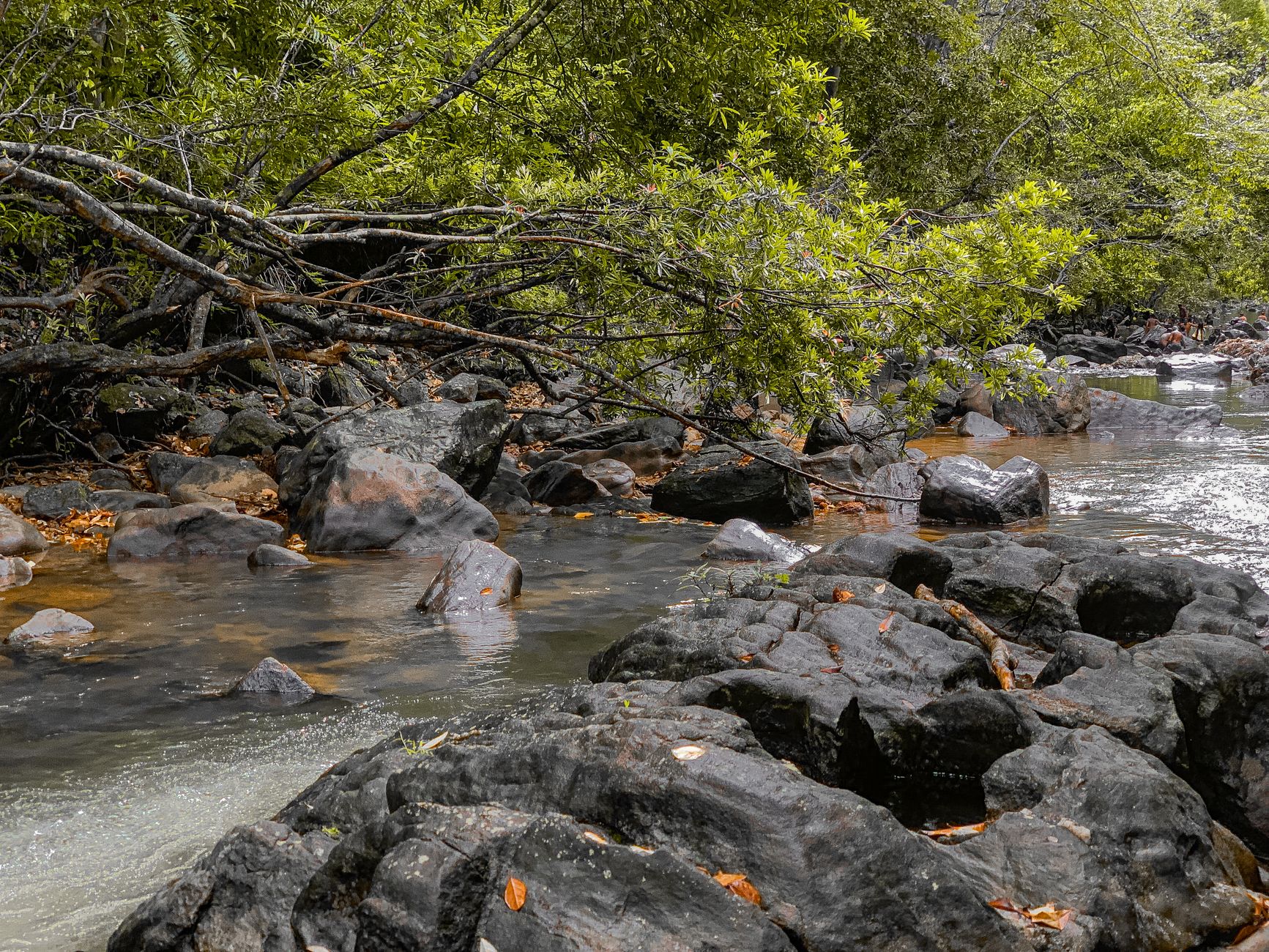
Kanneliya Rainforest: Wildlife, Trails & Visitor Guide
Kanneliya rainforest sits in a humid pocket near Galle in the wet zone, a 1,044-hectare sanctuary that floods in monsoon and harbours Sri Lanka's rarest forest specialists. You won't see crowds here—access is tightly regulated, and the muddy trails discourage casual visitors. What you will see are endemic birds feeding in the canopy, giant centipedes on the forest floor, and the forest's seasonal personality shift from desiccated to dripping.
Where is Kanneliya rainforest and how do you get there?
The reserve lies 25 kilometres south of Galle town, accessible via the Galle-Matara highway. The main entrance gate is at Kanneliya village; from there, it's a 10-minute drive (or 45-minute walk) to the park office and trail head. If you're coming from Galle, hire a tuk-tuk or driver—the village roads are narrow and unsigned. There's no public transport to the gate itself. The nearest significant town is Matara, 30 kilometres east, where you'll find fuel and food; Galle offers more accommodation variety.
What wildlife lives in Kanneliya?
The forest is a hotspot for Sri Lankan endemics. The Sri Lankan whistling thrush is present but elusive; listen for its thin, clear call at dawn from dense canopy vegetation. The Sri Lankan white-eye, Sri Lankan spurfowl, and ashy-headed laughingthrush are more reliable. The lesser fishing eagle hunts from trees above seasonal water bodies. Endemic reptiles include the Kanneliya bent-toed gecko and several skink species found nowhere else.
Related: Best Places in Sri Lanka for Surfing
See also: Black Forest Beach Resort: Location, Facilities & What to Expect
Related: Gal Oya Accommodation Guide: Where to Stay Near Sri Lanka's Wildlife Sanctuary
Mammal sightings are rare but possible—palm civets and giant squirrels move through the canopy, but dense undergrowth limits visibility. Amphibians dominate: seventeen frog species, including the Sri Lankan shrub frog, breed in the forest's water-filled tree holes and temporary pools.
Insect life is extraordinary. Giant centipedes (up to 30 centimetres) hunt at night; monitor torchlight sweeps carefully. Herpestid snakes are present but not aggressive; your guide will identify them.
Best time to visit Kanneliya rainforest
June to September is the ideal window. The southwest monsoon brings humidity and rain, replenishing water sources and triggering insect emergence—the main food source for birds. Leeches are present but manageable compared to October–November, when they saturate the wet zone. Morning temperatures sit around 22–26°C; bring a light waterproof.
October to May is drier. Bird activity drops; insect prey becomes scarce. Leeches proliferate in October–November (some visitors report 20+ attached after a 2-hour walk). December–February brings occasional rain but lower humidity; April–May is hot and dry, with minimal water in the forest.
Avoid January if you hate leeches—the forest is wetter than many assume. By contrast, late August to early September offers peak bird activity with manageable leech pressure.
What trails can you walk?
The park offers two main routes:
The main loop trail (approximately 3 kilometres, 2–3 hours) starts from the park office and winds through primary and secondary forest, following a stream. It crosses several ankle-deep water crossings and passes through dense undergrowth. This is where endemic birds congregate. Wear grip-soled shoes; moss-covered logs are slippery.
The upper ridge trail (approximately 2 kilometres, 1.5 hours) climbs to higher elevation and offers better views of canopy birds. The path is steeper and muddier after rain.
Guides are mandatory (provided by the park office; ₨1,500–2,500 per group depending on trail length). They spot birds and reptiles you'd miss alone and manage leech removal—bring salt or vinegar in a small bottle, which a guide can apply to encourage leeches to release. Local guides know the bird calls and can mimic them to draw whistling thrushes closer.
Facilities and logistics
The park office has a small visitor centre with a basic checklist of recorded species and toilet facilities. There's no food vendor; bring water (at least 2 litres) and high-calorie snacks. Mobile signal is patchy; inform your guide or driver of your route and expected return time.
Entry fees are modest (around ₨500–1,000 for foreign visitors; check at the gate). The reserve is managed by the Forest Department and the Rainforest Protectors of Sri Lanka. Visit permits can be arranged on arrival, but book guides in advance if you're arriving on a weekend or public holiday.
How does Kanneliya compare to other wet-zone reserves?
Unlike Sinharaja, which is larger and more famous, Kanneliya has stricter visitor controls—only small groups and guides allowed, no camping, no independent exploration. This preserves the forest but limits your autonomy. Sinharaja offers more reliable mammal sightings and a longer trekking network.
Kitulgala's rubber plantations and river activities aren't comparable; Kitulgala is for white-water rafting, not forest endemic birdwatching.
Choose Kanneliya if you want intimacy, endemic specialists, and a less-visited forest. Choose Sinharaja if you want more infrastructure and a higher chance of sambar deer or purple-faced leaf monkeys.
What to pack and wear
- Leech socks or gaiters (wrap fabric around your lower legs).
- Waterproof trousers or quick-dry pants tucked into socks.
- Good boots with grip (Merrell or Salomon models are popular); avoid trainers.
- Long-sleeved, light shirt (UV and insect protection).
- Hat and sunscreen for the walk to the trail head.
- Binoculars for birds; 8×32 or 10×42 is standard.
- Field guide: Birds of Sri Lanka by Grimmett et al. is the reference.
- Headtorch for nocturnal walks (if offered by your guide).
- Plastic bags for your phone and camera in heavy rain.
Planning your visit
Kanneliya works best as a half-day excursion from Galle or a day trip from Matara. Set off early (6:00–7:00 a.m.) to catch peak bird activity. Hire a guide the evening before through your accommodation or the park office; explain your interest (birds, reptiles, general nature walk) so the guide can tailor the pace.
Combine it with a visit to nearby Galle Fort or Matara's coastal trails for a fuller day. If you're exploring Sri Lanka's south coast, Galle is the natural hub; Matara offers quieter beach accommodation.
FAQs
How bad are the leeches really? Leeches thrive October–November (20+ on a 2-hour walk are common) and taper off June–September (2–5 expected). They don't transmit disease but cause minor bleeding and can feel unsettling. Wearing socks, gaiters, and insect repellent (DEET-based) reduces bites. They detach painlessly if you apply salt or vinegar; don't pull them off, which can leave mouthparts in the skin.
Can you see the Sri Lankan whistling thrush? Yes, but it requires patience and good luck. The bird favours dense canopy vegetation and is most vocal at dawn (5:30–7:00 a.m.) from June–September. Your guide can call it closer using local knowledge. Sightings aren't guaranteed; the thrush is genuinely elusive.
Is Kanneliya suitable for casual walkers? No. Trails are muddy, uneven, and involve water crossings. Bring good footwear and reasonable fitness. If you dislike mud or steep sections, Kanneliya will frustrate you—consider a shorter, dryer alternative like Mirissa's coastal walks or Galle's urban trails instead.
Do you need a 4WD vehicle to reach Kanneliya? No. A regular car or tuk-tuk reaches the park office from the main highway. The approach roads are narrow but paved. Motorcycles and bicycles are also fine.