Gal Oya Accommodation Guide: Where to Stay Near Sri Lanka's Wildlife Sanctuary
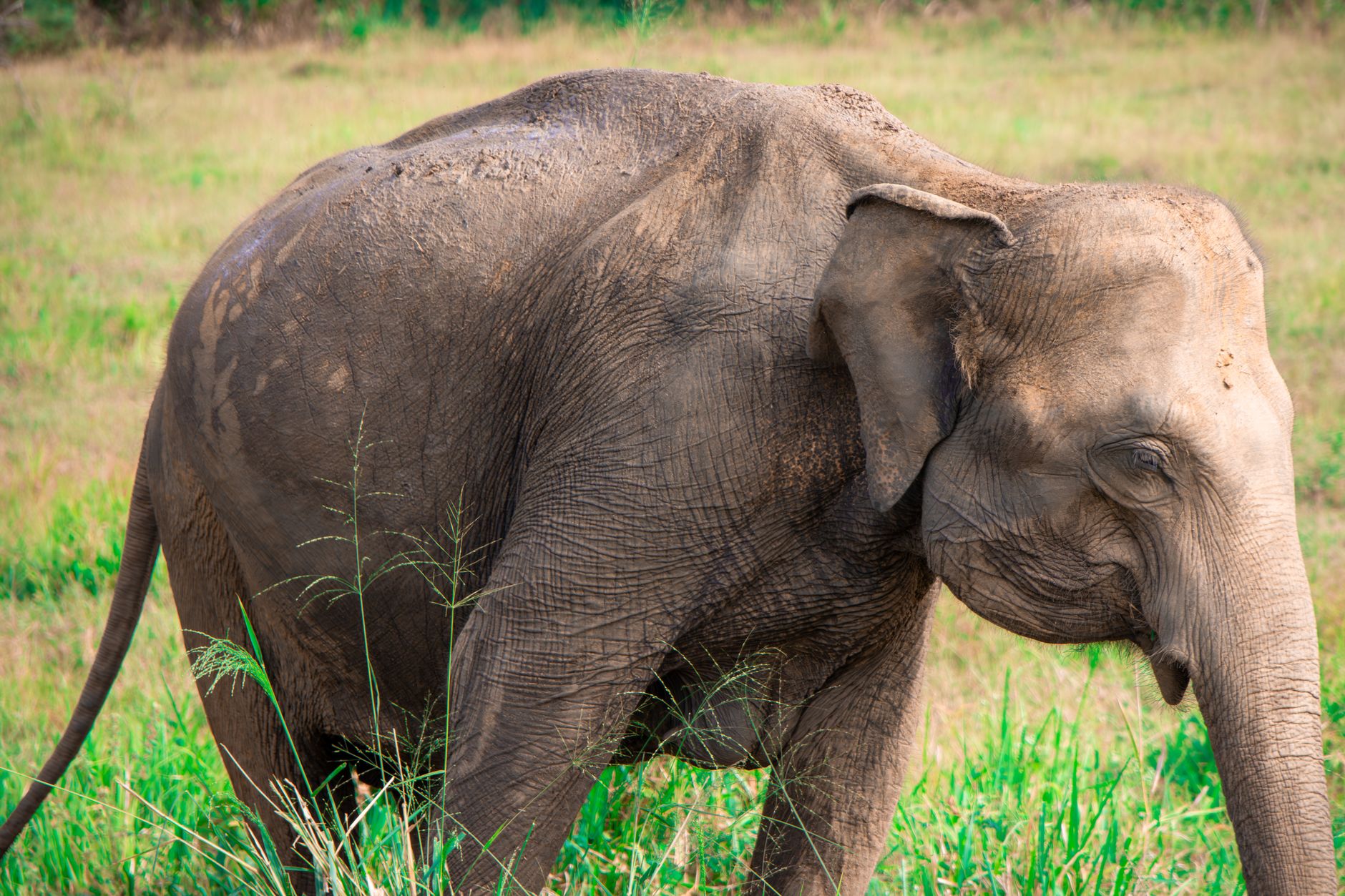
Gal Oya National Park sits in Sri Lanka's remote east-central region, drawing wildlife enthusiasts to elephant herds, leopards, and dense jungle. Accommodation ranges from basic guesthouses in nearby towns to jungle lodges designed for safari immersion. Most visitors base themselves within 5–30 km of the park, balancing comfort with access to early-morning game drives.
What accommodation options exist near Gal Oya?
Three main tiers serve different budgets and expectations:
Jungle lodges and safari camps (£40–100 per night) operate within or immediately adjacent to the national park boundary. These properties typically include guided wildlife tours, meals, and direct park access. Staff are trained in animal behaviour and park trails. Quality varies; research recent reviews carefully, as some lodges have seasonal staffing or maintenance issues.
Related: Best Places in Sri Lanka for Wildlife Safari
See also: Jaffna for Solo Travellers: Safety and Practical Tips
Related: Best Places in Sri Lanka for Surfing
Mid-range guesthouses (£15–40 per night) cluster in nearby towns such as Inginiyagala and Ampara. These offer basic but clean rooms, local meals, and can arrange park guides through local networks. The trade-off is a 15–45-minute drive to park entry points, which delays early-morning departures.
Budget hostels and homestays (£8–20 per night) exist mainly in Ampara, the nearest significant town, 30 km from the park. Suitable if you're visiting Gal Oya as a secondary activity alongside beach stops or Arugam Bay, rather than making it your primary destination.
How remote is Gal Oya, and what does that mean for staying there?
Gal Oya lies 300 km east of Colombo (5.5–6 hours by road via the coastal route or inland highways). The park itself has no electricity grid, mobile signal, or shops. Accommodation near the park operates on generators, solar panels, or a mix. Power cuts are common during monsoon (October–February). Mobile signal is absent or unreliable at lodges; some offer WiFi in common areas only.
This remoteness is intentional—it keeps visitor numbers low and predators active. If you need reliable connectivity or expect hotel comfort, this isn't the destination. If you want genuine wilderness immersion with a genuine chance of seeing wild Asian elephants, this isolation is the appeal.
Which season determines availability and comfort?
January to August is the dry season and peak for Gal Oya visits. Lodges operate at full capacity, guides are abundant, and wildlife gathering around water sources is reliable. Book accommodation 4–8 weeks ahead.
September to December is the south-west monsoon. Rainfall is heavy, park roads become muddy and sometimes impassable, and many independent guesthouses close. Jungle lodges often stay open but reduce staffing and may limit game drives. Accommodation becomes cheaper and far less crowded, but early-morning drives are cancelled on heavy rain days, and sightings decline sharply.
March to May brings high heat and dust; paths are dry but dusty clouds deter wildlife viewing. Accommodation remains available but many travellers skip this window.
Safari lodge or town-based guesthouse: which makes sense?
Choose a jungle lodge if:
- You're staying 3+ nights and want immersive wildlife focus.
- You can tolerate generator noise, occasional power cuts, and basic bathrooms.
- You prioritise pre-dawn game drives (typically 5:30–6:00 a.m. departures).
- You're willing to pay a premium for convenience and expert guiding.
- Your fitness level suits 2–3-hour hikes on uneven jungle terrain.
Choose a town-based guesthouse if:
- You're staying 1–2 nights and combining Gal Oya with a broader east-coast itinerary.
- You value a hot shower, reliable power, and a restaurant over wilderness experience.
- You want to independently explore the towns and coastal areas.
- Budget is tight; town lodging undercuts jungle properties by 50 per cent.
- You prefer a short, flexible visit rather than a committed safari schedule.
What gear and preparation matter for Gal Oya stays?
Bring a headtorch or headlamp; most lodges don't light external paths. Pack strong insect repellent (DEET-based) for dawn and dusk; mosquitoes carry dengue and malaria. Long-sleeved, quick-dry clothing is essential for early drives and jungle walks. Waterproof bags protect cameras and phones on boat safaris or rain-heavy hikes.
If you're sensitive to noise, request a room away from the generator. Ear plugs are practical. Guesthouses rarely provide amenities; bring toiletries. Sun protection is serious—UV reflection off the water reservoir is intense.
MalariaRisk is moderate in this region, particularly October to February. Check current UK Foreign Office guidance and consult a travel clinic 6–8 weeks before departure. Antimalarial tablets (atovaquone-proguanil or doxycycline) are often recommended; discuss with your GP.
Travel logistics to reach your accommodation
From Colombo: Hire a vehicle and driver (£40–60 per day) or join a pre-arranged tour. The journey via Matara and the coastal route takes 5.5–6 hours with minimal stops. Driving yourself is not practical; roads are winding, signage is poor, and navigation requires local knowledge.
From Ella (hill country, popular for trekking): 3.5–4 hours south-east by hired vehicle. A scenic but slow route; consider breaking the journey in Matara.
From Arugam Bay (northern beach): 1.5 hours north-east. The nearest feasible beach stop for a Gal Oya add-on.
Most lodges arrange pick-up from Ampara town (30 km away) if you arrive by bus. The Colombo–Ampara express bus takes 7–8 hours; from Ampara, lodge shuttles cost £5–10 per person.
FAQ
Is it safe to stay in remote jungle lodges? Yes. Lodges employ local staff with decades of familiarity with the park and wildlife behaviour. Dangerous animal encounters are rare; leopards and elephants avoid humans. Malaria risk is real but manageable with prophylaxis and insect precautions. Theft is uncommon; staff vet guests. The main risk is heat exhaustion or dehydration on jungle walks—pace yourself and drink constantly.
Can I visit Gal Oya without staying overnight? Theoretically yes, but not advisable. Early-morning and dusk drives are peak wildlife times; day visits from Ampara miss these windows. A minimum overnight stay maximises your chances of sightings. If time is tight, 2 nights (1.5 days) is the practical minimum.
Do lodges provide meals, or must I eat in towns? Jungle lodges include breakfast and dinner; lunch is often packed for full-day safaris. Meal quality ranges from basic rice-and-curry to thoughtful local dishes. Dietary requirements (vegetarian, allergies) should be flagged during booking. Town guesthouses have local restaurants nearby; don't expect international menus.
What's the typical daily cost for a full Gal Oya experience? Expect £50–120 per night for lodge accommodation, plus £20–40 for guided game drives (2–3 hours), and £10–15 for meals if not included. A 3-night stay with 2 drives costs roughly £250–450 per person. Budget accommodation and local guides reduce this to £80–150 per night total.
Nearby destinations to combine with your stay
For a fuller east-coast trip, pair Gal Oya with visits to Arugam Bay for beach breaks and surf, or venture towards Ella and the central highlands if you want to mix jungle trekking with wildlife. The Ampara region offers coastal culture and lagoon activities within 30 km of Gal Oya accommodation.
Check best time to visit Gal Oya to align your stay with reliable wildlife viewing seasons and weather windows.