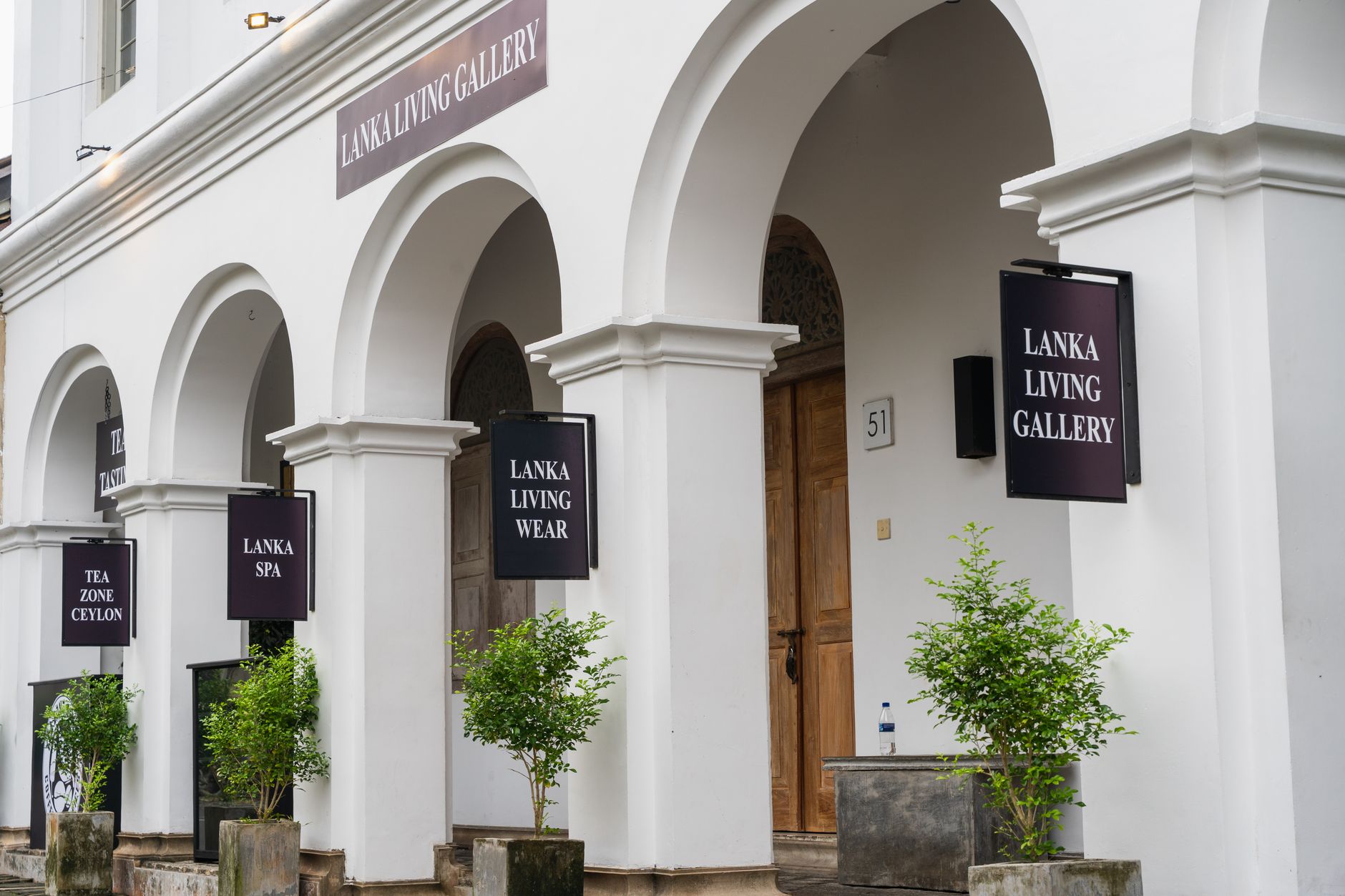
What is Cambridge Place and what makes villas there appealing?
Cambridge Place sits in one of Colombo's more established residential neighbourhoods, characterised by tree-shaded avenues, period properties, and a tangible sense of quietude that contrasts sharply with the traffic-heavy corridors of Galle Road or the glass-tower intensity of the Fort district. Villas in this area—typically converted heritage properties or purpose-built residential accommodations—offer visitors the chance to experience Colombo as residents do rather than as hotel guests passing through. You'll find yourself walking to local bakeries, neighbourhood restaurants, and small shops rather than relying on taxis for every movement, which fundamentally changes how you connect with the city.
How does the neighbourhood character influence your stay?
This is very much a lived-in area rather than a tourist precinct. You'll encounter schoolchildren in uniforms, office workers heading to the Fort on foot, and the hum of everyday life that authentic cities possess. The residential nature means quieter evenings, less intrusive noise pollution, and genuinely peaceful mornings—though it also means fewer late-night dining options immediately on your doorstep compared to touristy areas. The architecture itself tells stories; older bungalows with wraparound verandahs stand alongside more contemporary constructions, and the tree canopy provides both aesthetic appeal and practical shade during Colombo's heat.
The neighbourhood has retained something of its colonial-era character without feeling frozen in time. You're within walking distance of small local cafés where you'll see the same faces daily, family-run provision shops, and the kind of organic urban rhythm that makes long-term visitors choose to settle in such areas rather than downtown hotels.
Related: Best Places in Sri Lanka for Ancient Temples and Culture
See also: Kanneliya Rainforest: Wildlife, Trails & Visitor Guide
See also: Negombo for Solo Travellers: Safety and Practical Tips
What dining and food experiences are realistic nearby?
Cambridge Place itself isn't a food destination in the manner of Mount Lavinia or Galle Face Green, but that's precisely the point. Instead, you'll discover neighbourhood restaurants and cafés that serve the local population—cheaper, more authentic, and far less geared towards tourist expectations. These establishments vary considerably in quality and cuisine, ranging from informal rice-and-curry spots to modest Chinese restaurants and contemporary cafés run by younger Colombo residents.
For serious dining experiences, you're a short taxi ride from established restaurants in nearby commercial areas like Colombo 4 and Colombo 5. The advantage of villa living is that you're not trapped in a hotel restaurant ecosystem; you can venture out on foot, discover places by accident, and eat where locals actually eat. Supermarkets within reasonable walking distance stock groceries if you prefer self-catering, a particularly valuable option for longer stays.
How convenient is the location for getting around Colombo?
Cambridge Place occupies middle ground geographically—not in the absolute city centre, but not peripheral either. Taxis are readily available, though you'll often find yourself waiting longer than in the Fort or Galle Face areas simply because fewer tourists live here and thus fewer taxis cruise the streets. Ride-hailing apps work reliably, as does hiring a driver for longer periods, which many villa guests do for the flexibility and local knowledge drivers provide.
Public transport exists in the form of buses, though routes can be confusing for first-time visitors and buses often run erratically; most villa guests don't rely on them exclusively. Walking is genuinely viable for nearby destinations, and you're well-positioned to reach Colombo's key areas—the Fort, Galle Face, Colombo Museum, the Independence Square district—within 15–25 minutes by vehicle depending on traffic. Traffic itself is a consideration; Colombo's congestion is notorious, and peak-hour journeys take considerably longer than off-peak ones.
What should you know about practical villa living in this area?
Villas differ fundamentally from hotels in expectations and operational style. You'll typically have more space, often a garden or outdoor area, potentially full kitchen facilities, and considerably more autonomy regarding meals and daily rhythms. However, you're also responsible for your own communication with landlords or property managers, sorting out wifi issues directly rather than calling a desk, and managing utilities or housekeeping arrangements that hotels handle automatically.
Water supply is generally reliable in Cambridge Place, though quality varies; many visitors use bottled water regardless. Electricity supply is stable, and air-conditioning functions predictably. Internet connectivity is usually adequate, though speeds aren't guaranteed. Security varies by individual property; established residential villas in established neighbourhoods tend to have straightforward security measures, but you should clarify these directly with your landlord.
Weather is a constant: Cambridge Place offers no protection from Colombo's heat and humidity. The southwest monsoon season, roughly May through September, brings heavy rain and occasional flooding in lower-lying areas, though this shouldn't deter travel—it simply means planning indoor activities and accepting occasional disruptions. Rainfall typically comes in afternoon bursts rather than all-day deluges, and the cooler temperatures during monsoon season appeal to many visitors.
Is Cambridge Place better than hotel accommodation in Colombo?
That depends entirely on how you travel and what you value. Hotels offer immediate convenience, structured services, and someone to call when things go wrong. Villas offer authenticity, space, neighbourhood immersion, and often better value for longer stays. If you're in Colombo for two to three nights, a decent hotel in a well-positioned area probably serves you better. If you're staying two weeks or longer, or you specifically want to experience Colombo as a residential reality rather than a tourist destination, villa living becomes genuinely compelling.
Cambridge Place specifically suits visitors seeking this neighbourhood experience without venturing into truly residential outer areas. You're close enough to city attractions to reach them easily, but insulated enough from tourist infrastructure to feel like you've genuinely discovered somewhere real.
FAQ
What's the best time of year to stay in Cambridge Place? December through March offers the most predictable weather, with lower humidity and minimal rain, making walking and outdoor exploration genuinely pleasant. November and April sit on the margin—acceptable but with some rain risk. May through September brings the southwest monsoon; this season offers cheaper rates and cooler temperatures, but afternoon downpours are reliable.
Do I need to arrange transport in advance, or can I sort it on arrival? Both work fine. Ride-hailing apps (Uber and local alternatives) function throughout Colombo, including Cambridge Place, and you can arrange drivers through your villa landlord or via apps. Taxis can be hailed on the street but are less abundant in residential areas than in the city centre, so apps remain your most reliable option.
Is it safe to walk around Cambridge Place after dark? The neighbourhood is generally secure, though 'safe' remains relative in any urban area. Walking in small groups during early evening is standard; wandering alone after 10 p.m. isn't advisable. Stick to well-lit streets and use common sense, which applies to most urban neighbourhoods globally rather than representing a specific Cambridge Place concern.
What's realistically included in a villa rental? This varies considerably. Some include housekeeping, gardening, and utilities; others require you to arrange housekeeping separately and charge utilities as add-ons. Clarify exactly what's included—wifi, water, electricity, waste collection—before booking, as assumptions cause frustration.