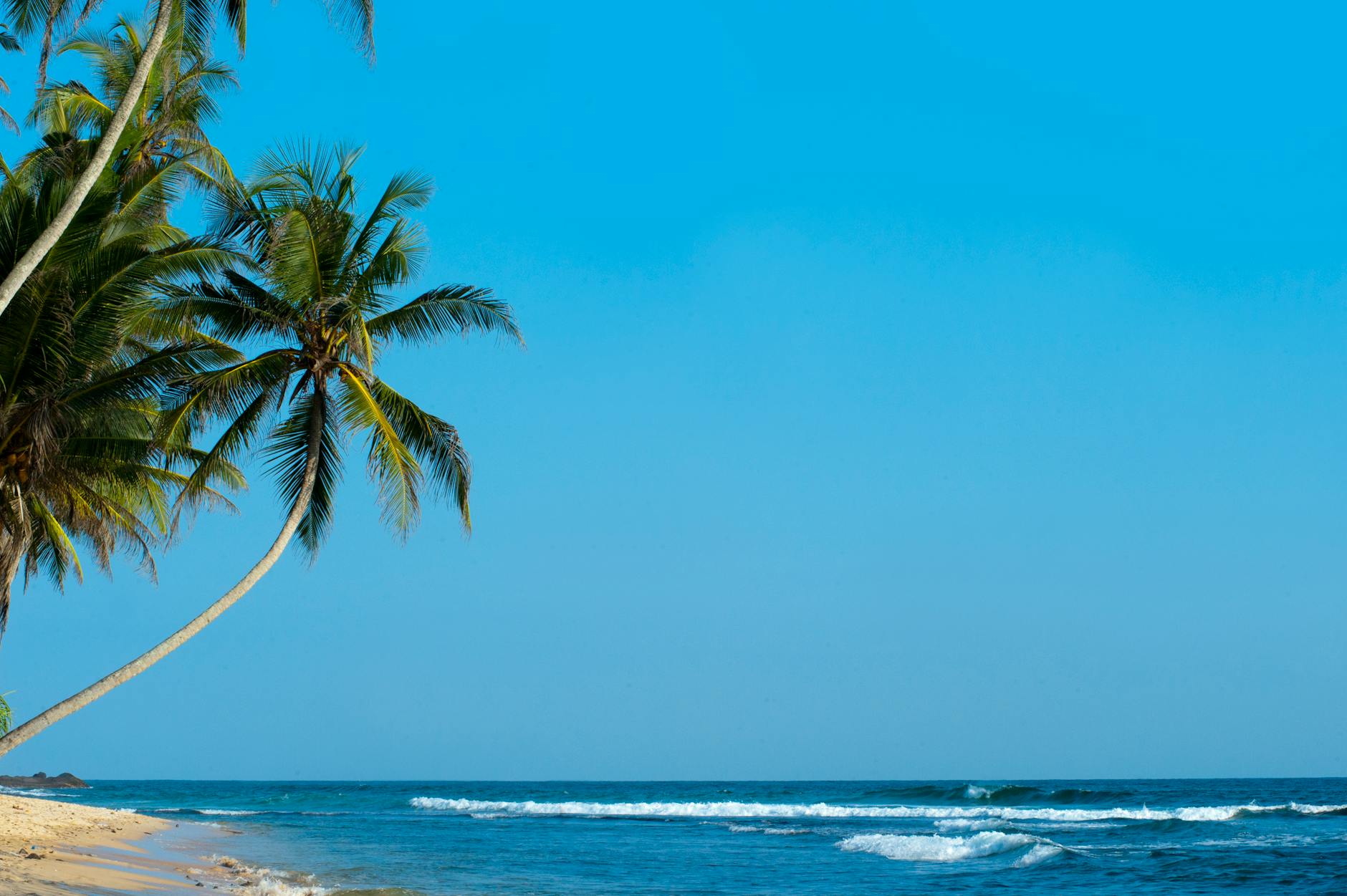
Dehiwala Beach occupies a stretch of coastline in the suburb of Dehiwala-Mount Lavinia, a densely populated area that blends residential neighbourhoods, local businesses, and maritime activity into one absorbing landscape. The beach itself runs along the western edge of this suburb, facing directly onto the Indian Ocean with Colombo's urban sprawl immediately inland.
Where exactly is Dehiwala Beach?
The beach is positioned roughly 12 kilometres south of Colombo Fort, the city's historic centre, and sits within the Dehiwala-Mount Lavinia municipal council area. If you're using GPS coordinates for navigation, the main beach area clusters around 6.8207° N latitude and 79.8581° E longitude. Geographically, it's part of the western coastal belt that curves down from Colombo towards Mount Lavinia further south, making it one of the closest beach settlements to the capital city itself.
The shoreline stretches for approximately two kilometres, though the liveliest section—where fishing boats gather and the local fish market operates—concentrates within a smaller central zone around the main beach access point. Unlike manicured resort beaches, Dehiwala's character emerges from the working boats, nets drying in the sun, and fishmongers preparing the day's catch. The atmosphere is purposeful and lived-in rather than aspirational.
Related: The Sanctuary at Tissawewa Colonial Hotel: What to Expect
Related: 3-Star Hotels in Nuwara Eliya: Best Value Stays in the Hill Country
Related: Arugam Bay Beach: A Guide to Sri Lanka's East Coast Gem
How to get to Dehiwala Beach from Colombo
By tuk-tuk or taxi from Colombo Fort, you're looking at a 20–30 minute journey depending on traffic, covering roughly 12 kilometres. The most straightforward route follows the coastal Galle Road (A2 highway) southbound; any tuk-tuk driver will know this route well. Agree on a fare beforehand if you're not using a metered taxi, as tuk-tuks in this area typically charge between 800–1,200 Sri Lankan rupees for the journey.
If you prefer buses, route 101 runs from Colombo Fort directly to Dehiwala and continues southward, stopping near the beach area. The journey takes 30–45 minutes depending on traffic and stops; buses cost around 50–100 rupees and operate frequently throughout the day. This is genuinely the local way to travel and worth experiencing if you're comfortable with crowded conditions during peak hours.
By car or hired driver, the Galle Road remains the main artery, and parking near the beach can be found in small informal lots or street-side spaces, particularly near the fish market where activity peaks in early morning hours.
What you'll find when you arrive
Dehiwala Beach differs significantly from the tourism-focused beaches further south along the coast. The morning light reveals dozens of colourfully painted fishing boats—traditional oruwa and katamaran vessels—lined up along the shore or bobbing offshore. The air carries the salt-and-fish smell that characterises working fishing communities everywhere; it's neither unpleasant nor refined, simply authentic.
The beach itself is relatively narrow, with a mix of sand and pebbles, and backed by a simple concrete promenade where locals gather, particularly in the late afternoon. The water is warm year-round but currents can be strong, and swimming is secondary to observation here. The real activity centres on the informal fish market that operates from dawn, where vendors sort the morning's catch and locals haggle over prices with practiced efficiency.
Residential buildings, small shops, and food stalls occupy the streets immediately behind the beach. You'll find plenty of casual eating spots serving fresh fish curry, kottu roti, and short eats at prices that reflect local rather than tourist economics—a refreshing contrast to central Colombo's inflated restaurant costs.
Timing your visit
The beach operates year-round, but the fishing rhythm differs by season. The southwest monsoon (May to September) typically brings rougher seas and fewer boats, while the northeast monsoon and calmer periods (roughly December to March) see the most intense fishing activity and the liveliest market atmosphere. If you want to witness the beach at its most animated, arrive early in the morning—ideally between 5:30 and 7:00 a.m.—when boats return with the night's catch and the market reaches peak chaos.
The afternoon offers a quieter, more reflective visit, with locals sitting on the promenade and fewer crowds. Late afternoon light is particularly attractive for photography, casting long shadows across the boats and warming the concrete structures.
Practical considerations
Dehiwala lacks tourist facilities such as changing rooms, lifeguards, or restaurant chains. This is partly the point—the beach works for local people, not visitors. Bring sun protection, water, and small change if you want to buy fresh fish or snacks from local vendors. The area is generally safe, though pickpocketing can occur in crowded spots, so keep valuables secured.
The promenade can be slippery when wet, and the beach itself slopes steeply in places, so appropriate footwear matters. If you're interested in photographing boats or market activity, ask permission before photographing people engaged in work; most fishermen are accustomed to camera-wielding visitors but appreciate straightforward courtesy.
Dehiwala Beach makes most sense as a morning or half-day excursion from Colombo rather than a destination in itself, particularly if you're interested in local culture and maritime atmosphere. The experience it offers—watching a real working beach operate without the mediation of tourism infrastructure—provides insight into how ordinary Sri Lankans interact with the coast that tourists rarely encounter.
FAQ
Is Dehiwala Beach safe for swimming? Water safety depends on conditions; currents can be strong, and lifeguards aren't present. Local fishermen swim here, but it's not a designated swimming beach. Check conditions and stay near shore if you choose to swim.
What's the best time to visit Dehiwala Beach? Early morning (5:30–8:00 a.m.) offers the most vibrant scene with fishing boats returning and markets active. This is when the beach reveals its actual purpose and character most vividly.
Can I buy fresh fish at Dehiwala Beach? Yes, the informal market operates daily, particularly in early morning. Fish prices are substantially cheaper than restaurant prices, and vendors will prepare fish for cooking if you arrange it. You'll need kitchen access to prepare it yourself.
How far is Dehiwala from other beaches in the area? Mount Lavinia Beach lies roughly 3–4 kilometres south and is more developed for tourism. Colombo's city beaches (like Galle Face Green) are about 12 kilometres north. Explore /ella/best-time-to-visit for wider regional context.
Where to stay near Dehiwala Beach
Dehiwala Beach itself is not a resort destination, so accommodation in the immediate area tends to reflect the neighbourhood's character: practical, locally oriented, and noticeably more affordable than hotels in central Colombo or the polished resort strip further south at Mount Lavinia.
For travellers who want to be within walking distance of the beach, a handful of guesthouses and apartment-style stays operate along and just off Galle Road in the Dehiwala stretch. These suit visitors who prefer waking up close to the morning fishing activity rather than commuting from the city centre. Facilities in this category are generally modest — expect clean rooms, ceiling fans or basic air conditioning, and little in the way of concierge services.
A slightly more comfortable option involves staying in the Mount Lavinia area, immediately south of Dehiwala. Mount Lavinia has an established hospitality infrastructure built around its own beach, and the distance to Dehiwala Beach is short enough — roughly a ten-minute tuk-tuk ride — that you lose little by basing yourself there. The iconic Mount Lavinia Hotel occupies a colonial-era clifftop position and offers a markedly different atmosphere from Dehiwala's working-beach energy, but serves as a comfortable base from which to explore both coastlines in a single morning.
Northward, staying in Colombo proper — particularly in the Kollupitiya or Bambalapitiya areas, which lie between the fort and Dehiwala — keeps you close to the city's restaurants and transport links while putting the beach within a 15–20 minute tuk-tuk journey. This option suits travellers treating Dehiwala as one stop on a broader Colombo itinerary rather than a destination requiring proximity.
Apartment-style rentals bookable through short-term platforms have grown more common along the Galle Road corridor, and these can offer sea-view rooms at prices well below comparable hotel rates. If you go this route, confirm that the listed sea view actually corresponds to the beach area and not an ocean-facing window several blocks inland — descriptions in this part of Colombo can be optimistic.
Whichever base you choose, the key practical point is that Dehiwala Beach rewards an early start, which means avoiding long commutes before 6 a.m. If witnessing the morning catch and fish market at full intensity matters to you, staying within the Dehiwala–Mount Lavinia corridor will serve you better than commuting from central Colombo in the dark.