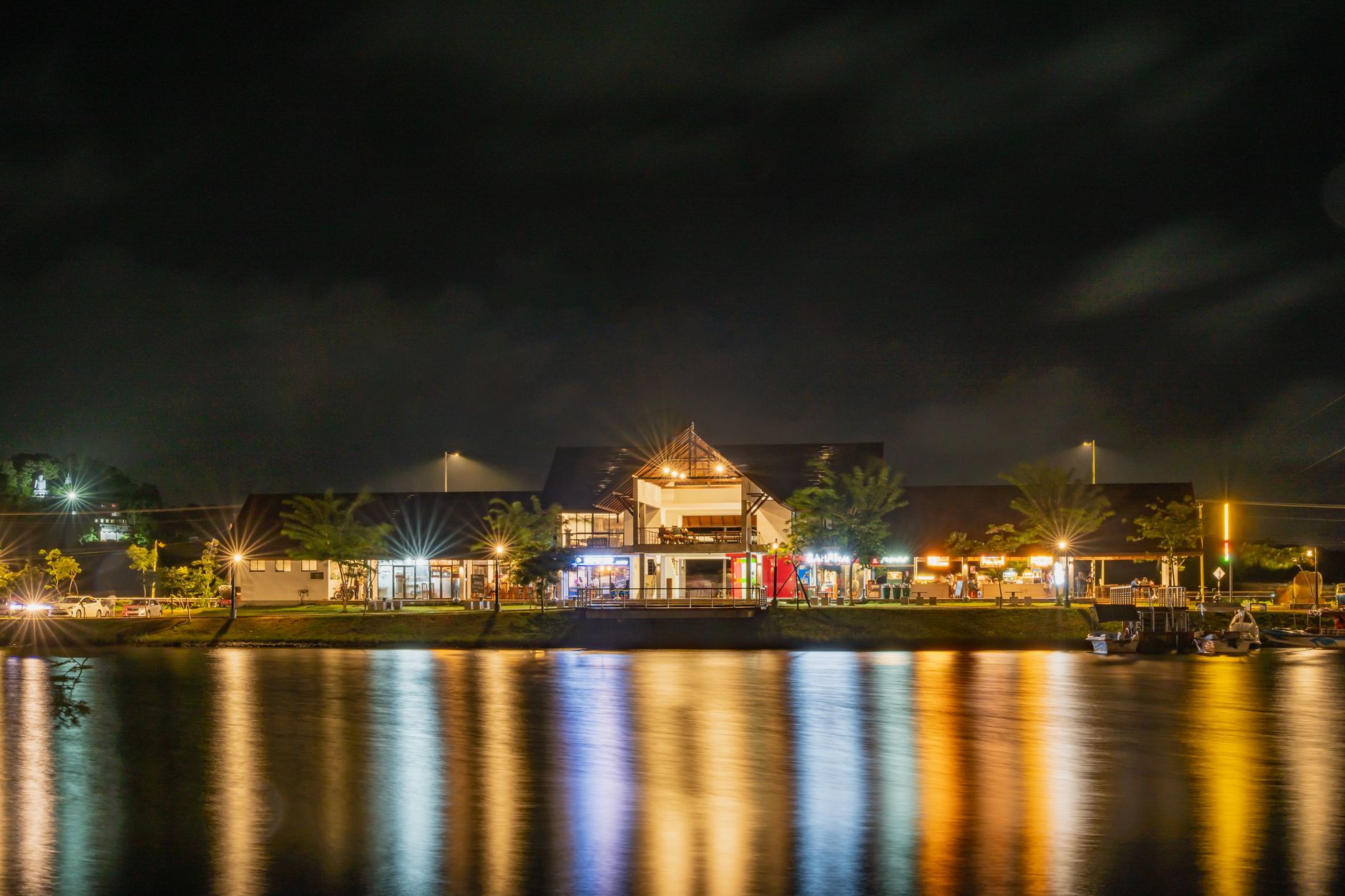
What makes this resort's location significant for wildlife travel?
Doubletree by Hilton Weerawila Rajawarna Resort sits on Sri Lanka's south coast within practical reach of Bundala National Park, one of the island's most reliable wetland birding destinations. The resort's proximity to salt marshes, lagoons, and scrubland habitat means early-morning wildlife viewing requires a 15–20 minute transfer rather than a full hour of driving. Migratory waterbirds—pintails, shovelers, greenshanks, and lesser flamingos—peak here between November and March when northern hemisphere flocks arrive. The location trades beachfront grandeur for functional wildlife-access advantage.
How does proximity to Bundala National Park work in practice?
The resort sits near Weerawila, a village adjacent to Bundala's outer zones. Park entry gates open at dawn (typically 5:30 am), when light and bird activity are optimal. Morning wildlife safaris depart early, allowing you to catch roosting waterfowl before they disperse across wider lagoons. The drive from this resort to the main visitor centre is short enough that guides can position you at key lagoon vantage points during peak activity windows. This timing advantage matters more than comfort upgrades when wildlife-watching dominates your itinerary.
Bundala itself spans 6,216 hectares across a mosaic of lagoons, salt marshes, and sand dunes. More than 170 bird species have been recorded here; crocodiles inhabit deeper water bodies. The wetland is designated a Ramsar site, meaning its ecological importance attracts serious ornithologists and casual birdwatchers alike. Afternoon visibility often deteriorates as heat haze builds, so morning access is non-negotiable—this resort's location makes that logistics straightforward.
Related: Horton Plains, Sri Lanka: A Guide to the Misty Highlands
Related: Is Yala Worth Visiting? An Honest Take
Related: Ayurveda Retreats in Sri Lanka: Where to Find Authentic Treatment
What wildlife realistically appears from this location?
Waterbirds dominate sightings. Between November and March, you'll observe pintails (dabbling ducks with chocolate-and-white plumage), northern shovelers (easily identified by their shovel-like bills), and common teals in flocks of 20–50. Greenshanks and redshank probe lagoon edges for invertebrates. In peak season, you may spot the more elusive lesser flamingos—pale pink waders that gather in shallow lagoon fringes when food concentrations draw them together.
Resident birds include white-bellied sea eagles perching on exposed snags, little cormorants diving in deeper channels, and painted storks (large, pink-tinged waders) hunting fish in shallows. Jacanas walk on floating vegetation with their elongated toe pads. Early-morning visits often reveal herons—purple herons are cryptic, but grey herons and cattle egrets are reliably visible.
Reptiles include marsh crocodiles, mostly submerged and visible as snout-and-eye silhouettes. Sightings are common but fleeting—they're habituated to human presence but not aggressive. Monitor lizards cruise lagoon margins, and various snake species inhabit scrubland, though encounters are rare during structured safaris.
Larger mammals are less predictable. Jackals, wild boar, and sambar deer inhabit inland scrub but are shy and crepuscular. Patient visitors on multi-day trips may encounter them at dawn or dusk. Water buffalo wallow in lagoon shallows, often photographed but essentially feral livestock.
Seasonal variations: when to visit this location
November to March brings peak migratory pressure. Northern hemisphere waterfowl arrive in December and remain until February. Lagoon concentrations are densest in January–February when flocks settle into established feeding patterns. This is peak birding season, and sightings are reliably high. Daytime temperatures hover around 28–30°C, tolerable for sustained wildlife-viewing.
April to October (southwest monsoon and dry transition) sees resident birds dominate. Migratory species depart, but herons, eagles, and local waterbirds remain active. Rainfall peaks April–May, green vegetation attracts insects (which attract birds), but visibility deteriorates. June–September brings erratic showers and intense midday heat. Fewer dedicated birders visit, meaning quieter lagoon vantage points and less crowded safari experiences. If solitude appeals more than maximum species count, shoulder seasons offer value.
Resort amenities relevant to multi-day wildlife trips
As a mid-range Hilton property, the resort typically provides air-conditioned rooms, reliable hot water, and restaurant facilities—non-negotiable basics when you're waking at 4:30 am for safari departures and returning to process field notes. On-site dining eliminates the need to negotiate unfamiliar restaurants after dawn outings. Swimming pools allow afternoon cooling; some guests rest between morning and evening wildlife sessions.
Essential for wildlife travellers: confirm the resort can arrange certified naturalist guides through Bundala National Park or partner operators. Ask directly about guide quality and whether they carry binoculars, field guides, and radios for tracking animal movement. Cheaper operators sometimes rely on drivers with limited wildlife knowledge—specificity matters if identification accuracy is your priority.
Comparing this location to other south-coast wildlife bases
Mirissa and Unawatuna, further west, offer more developed beach infrastructure and nightlife but sit 1.5–2 hours from Bundala. Matara is closer (45 minutes) but less developed. Tangalle, eastward, sits roughly equidistant and offers comparable lagoon access but fewer established resort options. Weerawila's location is fundamentally about trade-offs: you gain early-access advantage at the cost of limited beach culture and fewer dining alternatives outside the resort.
For pure wildlife focus, this location outperforms beachfront resorts. For combined beach-and-wildlife trips, consider Mirissa or Unawatuna with day trips to Bundala—longer drives but vastly more evening entertainment.
Practical logistics for stays
Arrange airport transfers in advance (Colombo to this location is 240 kilometres, roughly 4–5 hours via A2 south coast road). Petrol/fuel costs for wildlife transfers are reasonable; guides typically charge per group rather than per person. Pack a sturdy pair of binoculars (7×35 or 8×42 magnification balances field of view with hand-held stability during dawn boat transfers), a notebook, and sun protection—lagoon edges offer minimal shade during midday heat hours.
Mobile network coverage is adequate for this resort region; WhatsApp communication with guides is standard. Internet speeds are inconsistent. If uploading wildlife photography is priority, plan dedicated time on resort WiFi rather than relying on mobile data.
FAQ
Q: Can I see wildlife without a formal guide? A: Bundala National Park requires permits and regulated access; self-driving is not permitted without a licensed guide. Guides are legally mandated and typically cost £15–25 per group for half-day sessions. Quality varies—request English-speaking naturalists if bird identification is important to you.
Q: What's the best time for flamingo sightings? A: Lesser flamingos peak January–February when lagoon food concentrations draw them. December and March sightings are frequent but less concentrated. November and April see occasional stragglers; May–October sightings are rare.
Q: Is the location suitable for non-birders? A: Yes. Landscape beauty, reptile-watching, and casual wildlife observation appeal to generalists. However, the resort's primary appeal is wetland access; if beach relaxation is priority, consider Mirissa or Unawatuna instead.
Q: How many days minimise travel time while maximizing wildlife exposure? A: Two full days (one morning and one afternoon session) covers roughly 80% of resident species. Add a third day if migratory waterfowl identification is your focus. Dedicated birders often stay 4–5 days to compile comprehensive species lists.