Galle Turtle Hatchery: Where to See Hatchlings & Conservation Work
Galle's turtle hatchery is a working conservation site, not a tourist zoo. You'll see hatchlings in concrete rearing tanks, observe released turtles entering the ocean, and speak directly with researchers managing the facility. Morning visits—between 7 and 9 a.m.—give you the best chance of witnessing hatchling releases when sea conditions are calmest and light is still natural. Entry is modest (around 500–800 rupees), and the experience is intimate: you're watching real biology, not staged performance.
The hatchery protects eggs laid on nearby beaches, particularly loggerhead and green sea turtles. Researchers monitor nests, incubate eggs in sand-filled pits, and rear hatchlings until they're strong enough to survive the ocean. You'll see this full pipeline if you visit at the right time of year.
When do hatchlings emerge and when should you visit?
Incubation takes 45–60 days depending on sand temperature. Peak hatchling activity runs October through April, when cooler sea temperatures encourage nesting and when hatchlings from earlier-season eggs are ready for release. July to September sees fewer visitors and fewer hatchlings on site (many are already in the ocean or still incubating).
Related: Kumana National Park: Wildlife, Logistics & Best Time to Visit
Related: Amaya Lake Dambulla: A Lakeside Retreat in Sri Lanka's Cultural Heart
Related: Dambulla with Family: What Works and What to Skip
Arrive between 7 and 8 a.m. If hatchlings are scheduled for release that morning, you'll watch them tunnel through sand and scurry across the beach into shallow water. The pace is urgent and genuine—hatchlings make for the breaking waves instinctively, driven by light and moisture cues. Larger predatory birds hunt hatchlings during release, so releases are timed for calmer, cooler conditions when hatchlings move fastest.
What exactly will you see inside the hatchery?
You'll walk through the facility with a guide (usually a researcher or junior biologist). Expect:
- Incubation pits: Sand-filled beds where eggs develop under natural temperature. Researchers monitor sand humidity and temperature daily; some pits are shaded, others open to adjust warmth.
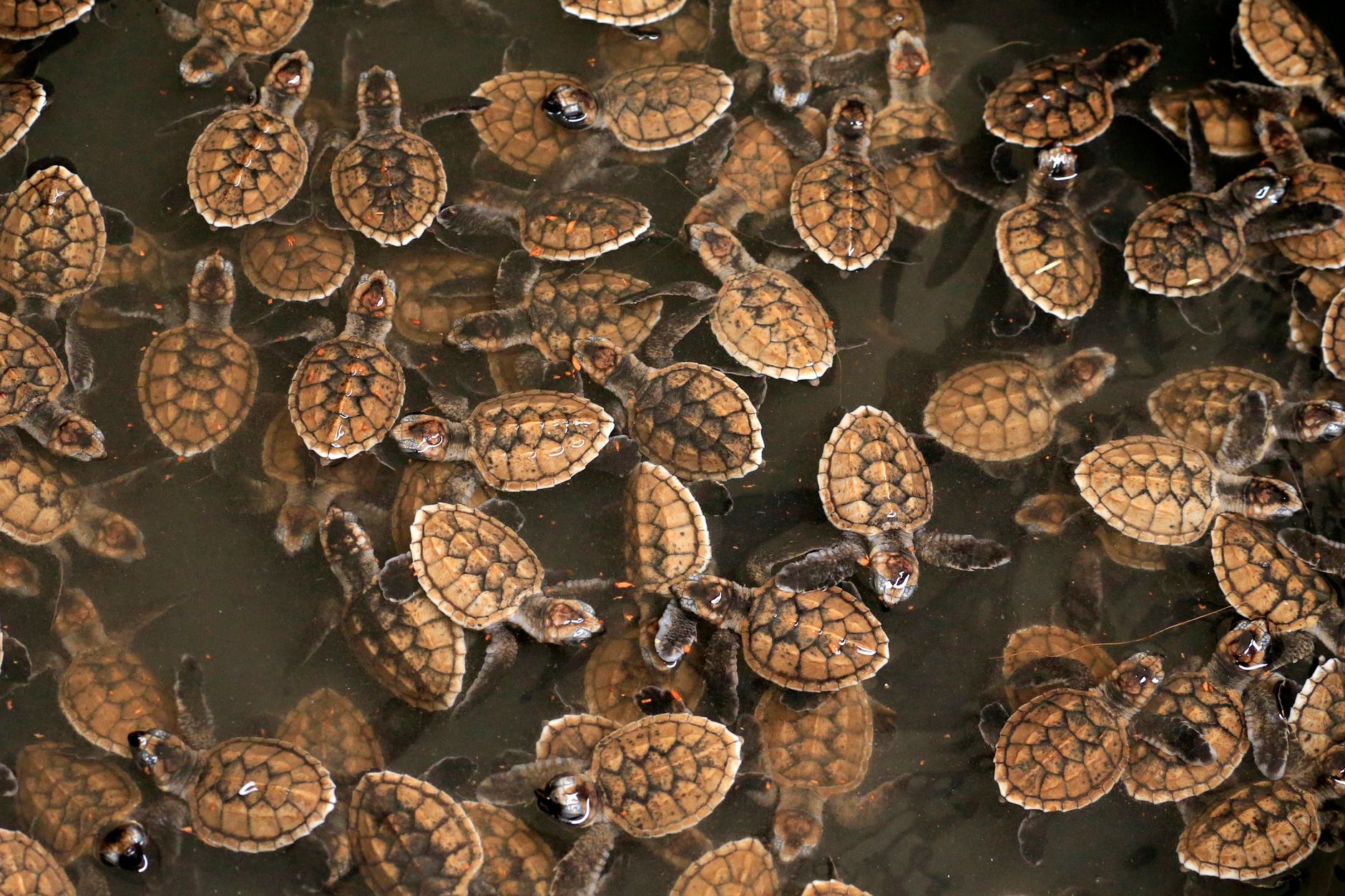
- Rearing tanks: Concrete pools holding hatchlings from 2 to 8 weeks old. Hatchlings are fed small crustaceans and monitored for injury or disease before release.
- Record boards: Detailed logs of which beach each nest came from, when eggs were laid, hatching rates, and release dates. This data feeds Sri Lanka's broader sea turtle science.
- The beach release area: A marked-off section of sand where hatchlings are placed gently in shallow water. The entire journey from sand to sea takes under five minutes; hatchlings rarely survive if they return to the beach.
Your guide will answer specific questions about incubation, mortality rates, and threats to adults (fishing nets, boat strikes, climate-driven changes to sand temperature). Many guides have worked there for years and can discuss individual nests or seasonal variation in detail.
Galle hatchery vs. other turtle facilities in Sri Lanka
Sri Lanka has several turtle hatcheries and conservation centres. The Galle facility is run directly by the Department of Wildlife Conservation and focuses on in-situ protection (protecting nests on local beaches) rather than large-scale tourism. This means fewer crowds than mass-market facilities and more credible science, but also less guaranteed daily activity. If you visit and no hatchlings are scheduled for release that day, you'll still see incubating nests and juvenile turtles, but the headline experience—watching hatchlings enter the ocean—won't happen.
Other hatcheries, particularly in Mirissa and Unawatuna, operate as private tourist attractions with daily feeding shows and more guaranteed spectacle. They're busier and more commercialised, but hatchling releases are more frequent and on-demand. For genuine conservation engagement, Galle is the better choice. For a guaranteed photograph of hatchlings, Mirissa may suit you better.
The Galle hatchery also benefits from proximity to Galle town itself—you can combine a morning visit with Fort walks, market exploration, and coastal meals, rather than dedicating an entire day to a dedicated turtle sanctuary.
Timing your visit: seasons and best conditions
October to December: Loggerhead hatchlings dominate. Sea temperatures are warm but cooling; hatchling survival rates are high. This is the most reliable season for releases, with 5–10 hatchlings released on most mornings.
January to March: Green sea turtle hatchlings appear alongside remaining loggerheads. Cooler water means slower hatchling development but slightly hardier juveniles. Still frequent releases, but fewer nests are active.
April to June: Nesting ends; incubating eggs are running out. Fewer releases; the facility is quieter and more research-focused.
July to September: Minimal hatchling activity. If you visit during these months, expect to see only incubating nests and rearing tanks, with releases rare or absent.
Visit in the morning after a calm night (rough seas from overnight storms can delay releases). Bring binoculars: you'll spot hatchlings moving through sand and entering water more clearly, and you may see seabirds hunting offshore.
Practicalities: access, cost, and what to bring
The hatchery is located on Unawatuna Beach, about 6 km south of Galle town. Tuk-tuks from Galle main road cost 300–500 rupees and take 10–15 minutes. You can also walk the coastal path from Unawatuna village (20 minutes) if you prefer to avoid motorised transport.
Entry is 500–800 rupees for foreign visitors. A guide is included and often informative; tips (100–200 rupees) are appreciated. Tours last 30–45 minutes if no release is happening; add 15–20 minutes if you stay to watch hatchlings released.
Bring water (no vendor on-site), sunscreen (the beach is exposed), and a camera with a macro lens if you want sharp close-ups of hatchlings. Wear sandals or shoes you can remove easily; sand is hot and sharp shells are common. Avoid touching hatchlings unless a researcher invites you to hold one (this can happen if you visit repeatedly or develop rapport with staff).
How does this visit fit into a broader Galle itinerary?
If you're staying in Galle for 2–3 days, visit the hatchery on your first morning (to check if releases are planned that day). Spend the afternoon at Galle Fort, walk the ramparts at sunset, and explore the old town's spice shops and narrow streets. Next morning, visit nearby beaches like Jungle Beach or Dalawella if you want swimming and snorkelling. The hatchery pairs well with a broader slow-travel approach to the south coast: you're combining conservation insight with colonial history and coastal walks.
FAQ
Q: What if no hatchlings are released when I visit? A: You'll still see incubating eggs, rearing tanks, and the full facility. It's less dramatic, but researchers often share details about recent releases or upcoming nesting seasons. If releases are critical to your visit, email the facility 2–3 days ahead to ask about planned releases (contact through the Department of Wildlife Conservation).
Q: Is it ethical to watch hatchling releases? A: Yes, if numbers are controlled. The Galle hatchery limits daily visitors and schedules releases at quiet times to minimise stress on hatchlings. Avoid facilities where hatchlings are released multiple times daily for tourists; that's often a sign of prioritising revenue over animal welfare.
Q: How many hatchlings survive to adulthood? A: Fewer than 1 in 1,000 sea turtles survive from egg to breeding adult. The hatchery's role is to raise survival rates from the nest stage (where predators and poachers take most eggs) to ocean entry. After that, ocean mortality is high but natural.
Q: Can I volunteer at the hatchery? A: Occasionally, yes. Contact the Department of Wildlife Conservation (Colombo office) or ask staff during a visit. Volunteers typically stay 2–4 weeks and help with monitoring, data entry, and minor maintenance. No formal programme exists, but researchers sometimes accept dedicated visitors for extended stays.