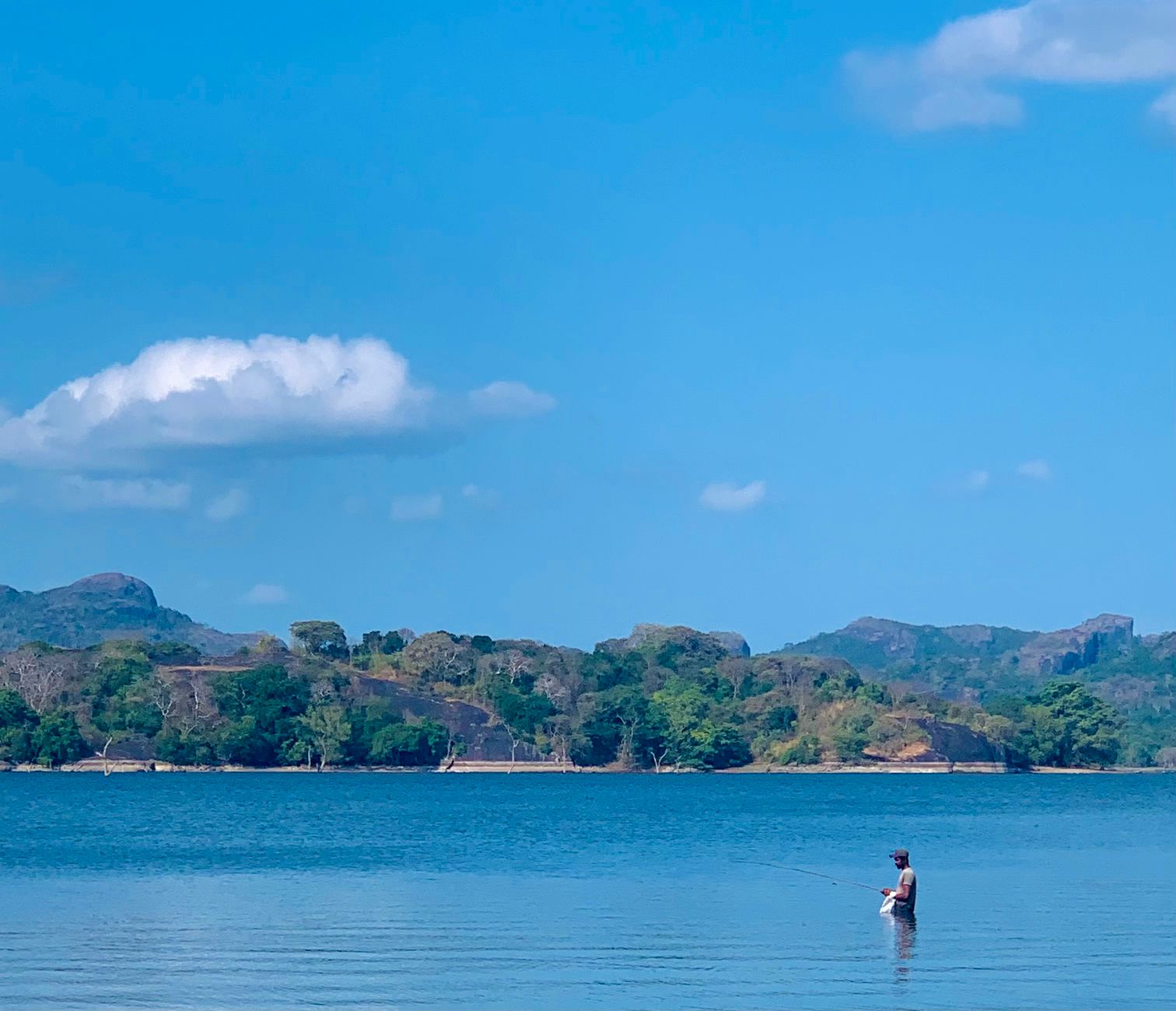
Amaya Lake Dambulla offers a serene lakeside experience in central Sri Lanka, positioned on the edge of Kandalama Lake between Dambulla town and the cultural heartland. Rather than a resort that dominates its surroundings, it functions as a genuine retreat—a place where the landscape remains the focus and your stay complements rather than intrudes upon the environment. The property appeals most to travellers seeking quietness, natural atmosphere, and straightforward access to the region's Buddhist heritage sites without the bustle of more commercialised locations.
What makes Amaya Lake Dambulla distinctive?
The defining feature is location: Kandalama Lake itself, an artificial reservoir ringed by forested hills and visible from most areas of the property. This creates an immediate sense of removal from roads and town noise, even though you're only minutes from Dambulla's daily rhythms. The lake draws migratory birds, particularly during winter months, and morning light across the water carries a quality that shifts throughout the day—misty and contemplative at dawn, brilliant by midday, softly golden as evening approaches.
The property's architecture works with rather than against the landscape. Stone, timber, and open-sided structures align with the natural palette around you, and there's genuine attention to how buildings meet the terrain rather than level and reshape it. This matters because it determines whether your experience feels integrated into a place or removed from it; here, it decidedly feels integrated.
Related: Things to Do in Marawila: Visiting Places & Local Experiences
See also: Black Forest Beach Resort: Location, Facilities & What to Expect
See also: Beach Huts in Arugam Bay: Where to Stay by the Shore
Staff interaction tends toward genuine helpfulness rather than performative hospitality. You'll find people who actually know the region—which temples open earliest, which roads avoid crowds, where local families eat rather than where tourists are steered—and they share this knowledge straightforwardly.
How does Amaya Lake compare to other central Sri Lanka stays?
Dambulla town itself, approximately 3 kilometres away, offers guesthouses and smaller hotels ranging from budget to mid-range, many focused on serving pilgrims visiting the Golden Temple complex. These put you directly in town life—noisier, more commercial, but cheaper and offering street-level immersion in local routines.
Larger resort properties around the cultural triangle often position themselves as all-encompassing destinations, with extensive facilities, multiple restaurants, and activities managed entirely on-site. Amaya Lake Dambulla takes a different approach: it's smaller, quieter, and assumes you'll venture out for most meals and experiences rather than having everything consolidated.
Sigiriya, roughly 20 kilometres northeast, offers rock fortress views and more developed tourism infrastructure. Kandy, 70 kilometres south, combines cultural significance with urban energy and shopping. Amaya Lake Dambulla sits geographically and philosophically between these poles—close enough to reach both comfortably, but sufficiently removed to maintain its own quieter character.
For someone prioritising landscape, bird-watching, meditation, or simply sitting with a book whilst observing seasonal light changes across water, this property makes strong sense. For someone wanting intensive activity scheduling, evening entertainment options, or concentrated shopping and dining, a location closer to Kandy or Sigiriya might suit better.
What's the practical experience of staying here?
Rooms tend to be straightforward rather than luxuriously appointed—comfortable, clean, with functioning fixtures and decent natural light, but without unnecessary flourishes. This restraint actually enhances the feeling that your surroundings are the attraction rather than interior décor.
Meals are typically served in open or semi-open dining areas overlooking the lake. Sri Lankan and international options are usually available, and whilst not restaurant-quality, they're prepared competently and quantities are substantial. Early breakfast is worth rising for, as light across the water is at its most dramatic and bird activity peaks before temperature rises.
Water activities—kayaking, small boat trips—are sometimes available, though seasonal water levels and weather affect what's feasible at any given time. These are genuinely valuable ways to experience the lake's ecosystem from a different perspective.
The road to reach the property is serviceable but not motorway standard, meaning the final approach involves a winding drive that's part of the transition into a quieter mode. This isn't an obstacle; it's actually consistent with the overall experience of stepping back from intensity.
Planning your visit to the area
Dambulla's Golden Temple and cave complex remains the primary draw for most visitors, and it's approximately 3 kilometres from lakeside property locations. This can be visited comfortably as a half-day excursion early morning or late afternoon. Rock fortress sites like Sigiriya and Pidurangala are within 30–40 minutes' drive, making them feasible day trips.
Better outcomes come from building several days into your itinerary rather than a single night. This allows for unhurried temple visits, a morning or evening lake walk, possible bird-watching sessions, and time simply sitting with the landscape—the things this environment actually encourages.
The period from December to March brings cooler temperatures and more reliable dry conditions, alongside migratory bird species that make the lake particularly rewarding for observation. May to September experiences higher rainfall but noticeably fewer visitors, greener landscape, and more muted tourist atmosphere if that appeals to you.
Bringing binoculars, a good book, and comfort with slowness makes far more sense than an ambitious daily itinerary. The location rewards people who arrive intending to spend time rather than accumulate sites visited.
Getting there and practical arrangements
Dambulla sits approximately 145 kilometres north of Colombo via the A6 highway, a journey of roughly two and a half to three hours depending on traffic. Kandy, 70 kilometres south, is alternatively accessible via smaller roads through tea country that add time but offer scenic driving.
Local taxis or pre-arranged driver services work reliably for reaching the property and exploring nearby sites. Hiring a driver for the duration of your stay costs considerably less than in Colombo and provides genuine flexibility in timing and route selection.
Train services connect Kandy to Colombo and other points, though not directly to Dambulla; reaching the property from Kandy station requires onward transport arrangements.
Contact the property directly for current facility details, seasonal closures, and meal plan options. Staff can assist with arranging guide services for temple visits and suggesting nearby restaurants in town if you prefer eating away from the property.
For broader context on the region, visiting pages on Dambulla and the wider cultural triangle provides additional perspective on Buddhist heritage sites, local transport, and dining elsewhere in the area.
FAQ
Is the lake clean for swimming? Water quality varies seasonally; swimming is occasionally possible but not guaranteed. Kayaking and boat trips are more reliable options for water-based activity. Confirm current conditions with the property directly.
What's the nearest significant town for additional supplies or dining? Dambulla town, 3 kilometres away, has local restaurants, markets, and basic services. It's functional rather than sophisticated, but genuinely frequented by residents rather than tourists exclusively.
Are there good reasons to stay multiple nights rather than one? Absolutely. A single night means limited time to absorb the landscape's rhythm, visit temples without rushing, and simply rest. Three to four nights allows genuine engagement with the environment and unhurried exploration of nearby sites.