Herbal Gardens in Sri Lanka: Guide to Visiting Spice and Medicinal Plant Farms
Sri Lanka's herbal gardens are working farms and demonstration spaces where you'll see medicinal plants, spice cultivation, and traditional Ayurvedic preparations. Most are concentrated in the central highlands around Kandy and Nuwara Eliya, with visits ranging from casual strolls to detailed agricultural tours. Many double as teaching spaces and small factories.
What You'll Actually See at a Herbal Garden
These aren't manicured botanical gardens. Most herbal gardens in Sri Lanka are functional farms mixed with tourist education. Expect:
- Growing plots of turmeric, cinnamon, cardamom, cloves, and lesser-known medicinal plants (senna, neem, ashwagandha).
- Processing areas where you might see dried herbs being packaged or oils being pressed.
- Demonstration sections with labelled plants and explanations of traditional uses in Ayurveda.
- Shops selling oils, powders, teas, and pastes at prices well above farm cost—negotiation is normal.
- Staff who range from knowledgeable herbalists to casual tour guides; quality varies significantly.
Visit duration: 45 minutes to 2 hours, depending on the garden's size and your pace.
Related: Brh Villa and Banquet: Sri Lanka Wedding & Event Venue Guide
Related: Is Batticaloa Worth Visiting? An Honest Take
Related: Midigama Beach: A Practical Guide to Sri Lanka's Quiet Surf Village
Where to Visit Herbal Gardens
Kandy Region
Kandy hosts the most-visited herbal gardens, many clustered within a 10–15 km radius. The town's proximity to tourists and central highland elevation make it logical. You'll find gardens described as "spice gardens," "herbal gardens," or "Ayurvedic gardens"—the distinction is often marketing rather than botanical.
Most Kandy gardens are within walking distance or a short tuk-tuk ride from the city centre. Expect entry fees between 500–1,000 LKR per person.
Nuwara Eliya and Around
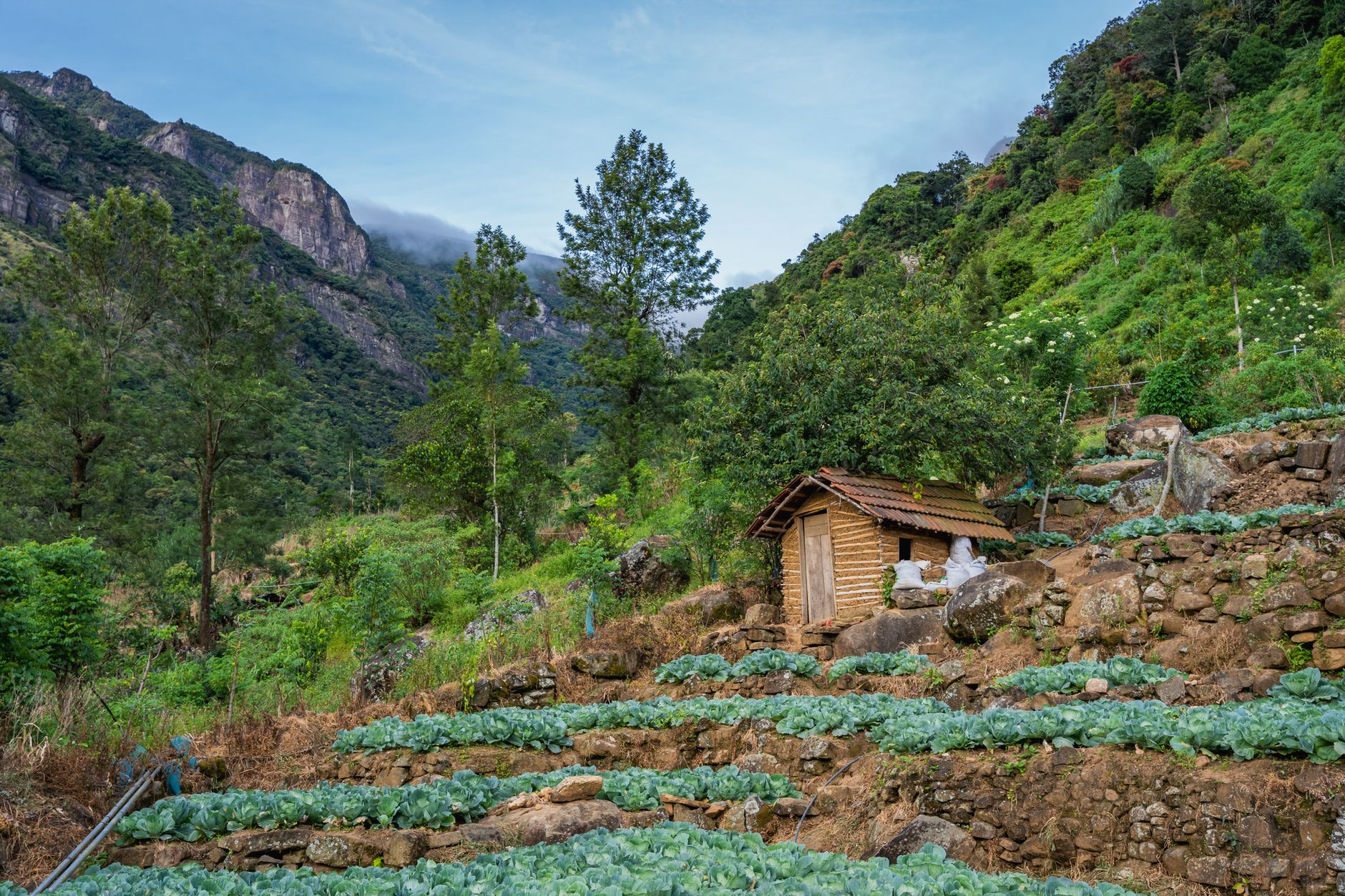
The cooler hill town and surrounding tea country offers quieter, sometimes more authentic herbal farms. Several work directly with tea estates or operate as small family enterprises rather than tourist attractions. The landscape here is more dramatic—morning mist, cooler temperatures, and fewer crowds than Kandy.
Nuwara Eliya sits about 1,900 metres elevation; many herbal plants thrive in this climate. Visit time from Kandy: 2.5 hours by bus or hired vehicle.
Matara and the South Coast
The southwestern region has growing interest in herbal tourism, though fewer established gardens. If you're based in Matara or nearby coastal towns and want to avoid the central highlands, local guides can arrange farm visits, but organisation is often informal.
What Matters: Quality and Authenticity
Not all herbal gardens are equal. The difference between a working farm where you learn something genuine and a tourist trap where staff recite memorised facts is noticeable.
Better gardens tend to:
- Have actual growing plants you can examine, not just plastic models.
- Employ staff who can answer follow-up questions or admit what they don't know.
- Show processing methods or let you see drying/packaging in action.
- Price products fairly relative to market rates.
- Be less crowded with tour groups.
Warning signs:
- Every plant is labelled with miraculous health claims.
- Staff pressure you immediately into the shop.
- No actual growing space—only a small display and a large sales area.
- Tours are identical scripts regardless of your questions.
Smaller, family-run gardens outside Kandy often outperform the high-traffic tourist ones. You'll need to ask locally or hire a knowledgeable guide to find them.
Practical Details for Visiting
Best Time
Herbal gardens operate year-round, but visit during dry season months (January–March, July–August) for easier travel. The central highlands receive rain most of the year; morning mist is common but usually clears by mid-morning.
What to Bring
- Sturdy walking shoes (grounds are often uneven or muddy).
- Sun protection (the highlands offer sun exposure, though cooler than lowlands).
- Small notebook if you want to record plant names or uses.
- Cash in Sri Lankan rupees; card payments are rare.
- Insect repellent (some herbal gardens have vegetation attracting mosquitoes).
How to Get There
Most herbal gardens near Kandy are reachable by:
- Tuk-tuk (negotiated fare, typically 800–1,500 LKR return with waiting time).
- Hired vehicle with driver (more expensive but reliable; 3,000–5,000 LKR per half-day from Kandy).
- Guided tour (hotel staff or tour operators; 2,500–5,000 LKR including transport, sometimes including other stops).
For Nuwara Eliya gardens, you'll likely need a vehicle; there's less public transport infrastructure.
Cost and Value
Entry fees: 500–1,000 LKR. Guided tour (if offered): Often included; staff may expect a small tip (200–500 LKR) for detailed tours. Products: Oils range 500–2,000 LKR per small bottle; powders and pastes, 300–1,500 LKR. Tourist-area gardens mark up heavily; prices drop in smaller establishments.
Should You Buy Herbal Products?
Products sold at herbal gardens are often legitimately made on-site or sourced locally. Quality is more reliable than roadside vendors, but less regulated than pharmacy products. If you're interested in Ayurvedic oils or herbal teas, buying directly can be better value than shops in Colombo or tourist hotels.
Practical advice:
- Don't buy on impulse in the first garden you visit.
- If a particular product interests you, ask detailed questions about ingredients and processing.
- For items you want to take home, prioritise powders and teas over liquids (easier to transport).
- Check expiry dates if visible; many garden products aren't dated.
Common Questions
Are herbal gardens safe for people with allergies? Most herbal gardens don't have allergen lists. If you have serious plant allergies, inform staff before touring and avoid handling unfamiliar plants. Some gardens use pesticides; this isn't always disclosed.
Can you visit a herbal garden without a guide? Yes. Self-guided visits are common and often more relaxed. You'll miss expert knowledge, but staff usually answer basic questions. Guided tours are worthwhile if you're genuinely interested in Ayurveda or agriculture.
Do herbal gardens cater to children? They're not child-focused attractions. Children may find a short tour interesting, but there's limited interactive activity. Uneven ground and heat can be challenging for very young children.
How long should I spend at a herbal garden? If you're simply checking one off a list: 45 minutes is sufficient. If you're genuinely interested in plants and processing: 1.5–2 hours is worthwhile. Don't over-schedule; one herbal garden is usually enough per trip.
Related Guides
For broader context on the central highlands, see our guide to best time to visit Kandy and Nuwara Eliya travel tips. If you're interested in agriculture more broadly, tea plantation tours in the hill country offer similar hands-on learning about Sri Lanka's farming traditions.