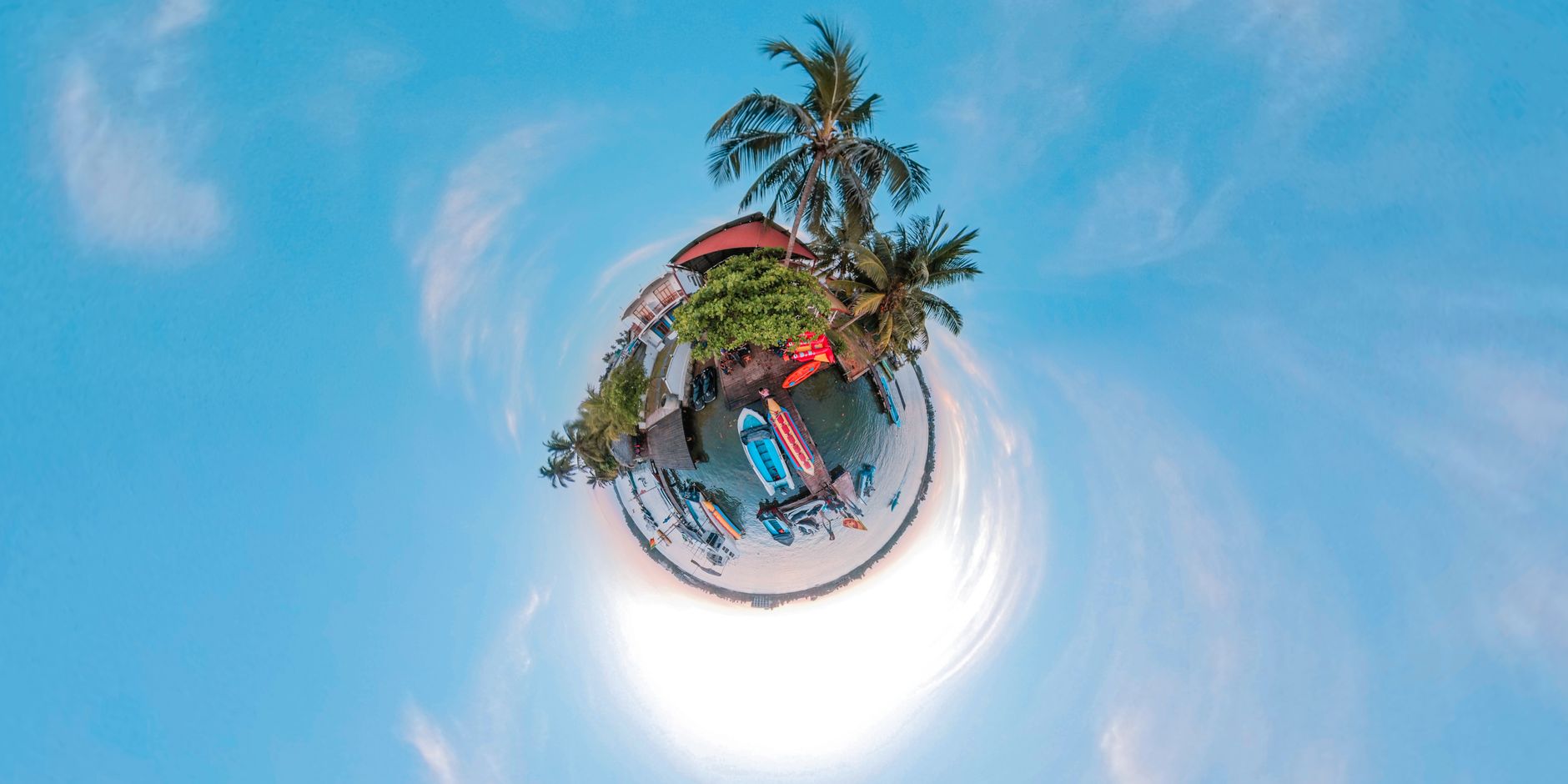
Hiru Beach Resort Kalpitiya: Contact & Practical Guide
Hiru Beach Resort occupies a peaceful stretch of Kalpitiya's western shore, positioned ideally for early-morning dolphin-watching trips and sunset lagoon cruises. Rather than a sprawling complex, the property maintains a modest footprint that feels integrated into the landscape rather than dominating it. Reaching the resort and understanding how to book requires knowing the right channels, as direct contact methods differ from larger international chains.
How do I contact Hiru Beach Resort Kalpitiya?
Direct phone contact remains the most reliable way to reach the resort for immediate responses. The main line connects you to the front desk, where staff can answer questions about availability, rates, and current activities. WhatsApp is increasingly common in Sri Lankan hospitality—many resorts, including properties in Kalpitiya, respond quickly to WhatsApp messages with photos and detailed information. Email enquiries typically receive responses within 24 hours, though during peak season (December to March) allow an extra day.
When contacting, have your preferred dates, number of guests, and any specific requirements (dolphin tours, room type, dietary needs) ready. Staff speak English fluently and can often arrange airport transfers or onward travel bookings whilst you're planning your stay. If you're booking through an online platform, verify the contact details match the resort's official channels to avoid commission-marked rates.
Related: Granbell Hotel Colombo: Design, Location & What to Expect
Related: Hikkaduwa Hotels: Where to Stay on Sri Lanka's Beach Town
Related: Panchakarma Kur in Sri Lanka: Authentic Ayurvedic Detox Guide
What's the booking process and payment?
Direct bookings with the resort typically offer better flexibility than third-party sites. You'll exchange emails or messages confirming your arrival date, room category, and any add-on activities. Many resorts request a deposit via bank transfer (usually 30–50 per cent of the total) to secure your reservation, with the remainder due on arrival or a few days before. Some properties accept international payment methods through their websites, though Sri Lankan bank transfers tend to have lower fees.
Payment in Sri Lankan rupees on arrival is standard practice and often preferred, as it avoids currency conversion charges. Credit card facilities exist but may incur processing fees. Cancellation policies typically allow free cancellation up to 14–21 days before arrival; confirm this when booking, as peak-season stays may have stricter terms.
Booking direct also means the resort can note preferences—a quieter room, higher floor for breezes, dietary requirements for meals—details easily lost in automated online systems.
When is the best time to visit Kalpitiya?
Kalpitiya's climate divides into two distinct seasons. The dry season (November to April) brings calm lagoons, excellent visibility for dolphin watching, and reliably warm, sunny days; this is when the resort operates at full capacity and rates peak. The monsoon season (May to October) brings afternoon rains and rougher seas, yet the landscape turns lush, tourist numbers drop significantly, and rates fall accordingly.
For dolphin-watching trips, December through March offers the highest likelihood of sightings and the calmest sea conditions. July and August can produce rough waters that make lagoon tours uncomfortable, though this varies year to year. If you prefer solitude and don't mind afternoon showers, May, June, and September offer good value and a more local atmosphere.
Bird-watching enthusiasts should time visits for the migration periods (October–November and March–April) when waders and raptors pass through the lagoon system. The shallow waters of Kalpitiya attract over 200 bird species throughout the year.
What activities are included or available?
Most Kalpitiya resorts include or can arrange dolphin-watching trips (typically early morning, two to three hours), lagoon cruises for bird-watching, and boat tours to nearby sandbars. Snorkelling around bar reefs is possible during the dry season. Some properties offer fishing trips, kayaking, or guided walks through mangrove channels. Activities are usually charged separately unless bundled into a package rate.
The village of Kalpitiya itself rewards exploration on foot or by tuk-tuk: fish markets along the shore, small restaurants serving fresh catch, and the Portuguese fort ruins add local context beyond resort walls. Hiring a tuk-tuk for a half-day costs around LKR 1,500–2,000 for guided exploration.
What should I know before arriving?
Kalpitiya is a working fishing community, not a built-up tourist hub. Expect authentic atmosphere—boat engines, early morning bustle, genuine hospitality—rather than manicured uniformity. Most visitors arrive via Colombo (three to four hours' drive north) or through Negombo if combining a beach stay with cultural sites. The coastal road offers views of fishing lagoons and occasional saltpans; the drive is scenic but can feel long after a flight.
Bring sun protection seriously: the sun reflects intensely off lagoon water and beach sand. Insect repellent helps during dawn and dusk boat trips, especially in the wetter months. If you're sensitive to sounds, note that fishing boats depart before sunrise and return throughout the day; the rhythm of village life is present and audible.
Cash points exist in the village, but carrying sufficient rupees from Colombo or Negombo saves time. Mobile phone coverage is reliable on major networks. Fresh water showers after salt-water activities are standard at resorts, though water pressure may be gentler than you're accustomed to—a quirk of local infrastructure rather than neglect.
Comparing Kalpitiya to other coastal options
Kalpitiya differs markedly from southern beaches like Mirissa or Unawatuna. Those locations prioritise surfers, backpackers, and beachside nightlife; Kalpitiya attracts nature-focused travellers and those seeking quieter seaside time. The lagoon ecosystem here—shallow, sheltered waters teeming with dolphins, migratory birds, and traditional fishing activity—is unique in Sri Lanka and impossible to replicate at more developed resorts. If you're drawn to wildlife experiences and genuine village culture over resort facilities, Kalpitiya makes sense; if you want vibrant nightlife or long sandy beaches for swimming, the south coast suits better.
For those combining a beach stop with cultural exploration, Negombo sits just south and offers colonial history and easy airport access, whilst Kalpitiya requires deliberate travel to reach—but that isolation is precisely why it appeals.
FAQ
Q: Can I visit Hiru Beach Resort for a day without staying overnight? A: Some resorts permit day visitors for meals and activities if you arrange in advance; however, Kalpitiya is genuinely quieter and more rewarding as an overnight or multi-day stay, given the travel time from Colombo or other tourist hubs.
Q: What's included in room rates? A: Typically, accommodation and breakfast are standard. Dolphin tours, other activities, meals beyond breakfast, and drinks are usually additional charges; clarify this when booking to avoid surprises.
Q: Is Kalpitiya safe for solo travellers? A: Yes, Kalpitiya is genuinely safe, and solo visitors are welcomed. The fishing community is accustomed to respectful visitors, and resorts facilitate group tours where you'll meet other guests interested in shared activities like dolphin watching.