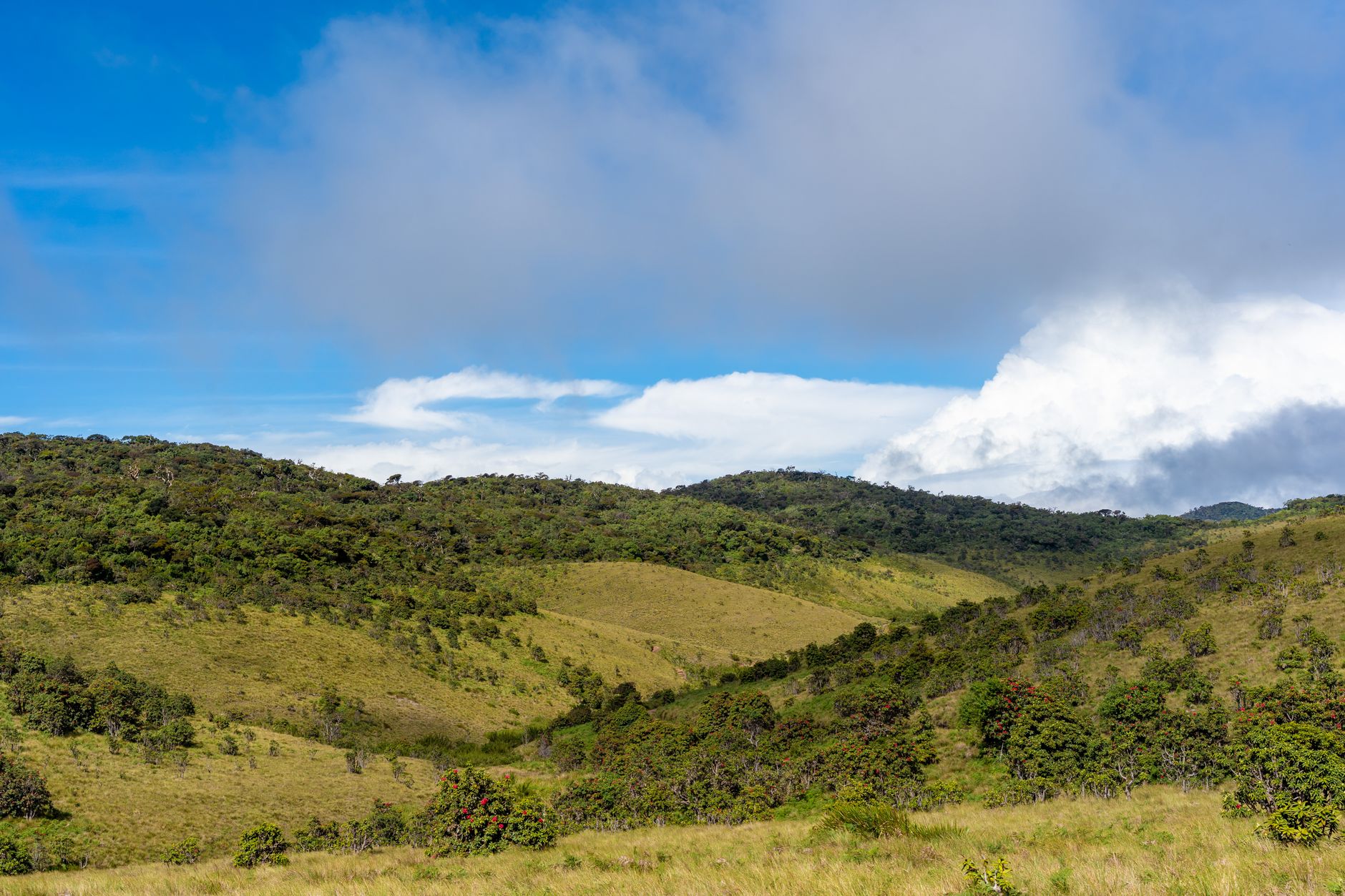
Horton Plains National Park: A Complete Walking Guide
Horton Plains sits at 2,194 metres on the central highlands. The main draw is World's End: a 1.7 km walk across grassland to a cliff edge with a 1,200-metre vertical drop. You can do the full 9.5 km loop in 3–4 hours, or walk just to World's End and back (about 2 hours). Early starts are essential—mist rolls in by late morning and ruins visibility.
What fitness level do you need?
World's End itself is not technically difficult. The terrain is open grassland with a clear path; navigation is straightforward. However, the altitude (2,194 m) and pace matter more than steepness. Most visitors manage it comfortably, but breathlessness and mild altitude effects are common. If you struggle on hills or have cardiovascular concerns, go slowly, take breaks, and consider bringing a walking pole for balance on descent.
The full loop adds Baker's Falls (a short detour with steeper ground) and 4 km more walking. Only do the full loop if you're comfortable with 3+ hours steady walking and have started early enough to avoid thick mist.
Related: Rathnapura with Family: What Works and What to Skip
Related: Wadduwa for Solo Travellers: Safety and Practical Tips
Related: Heritance Tea Factory: Complete Visitor's Guide
Starting times and weather
Start by 6:00 or 6:30 a.m. if you want clear views. Park gates open at 06:00. By 08:30–09:00, mist typically begins creeping up from the valleys. By 10:00–10:30 on most days, visibility drops to 20–30 metres. You've paid the entry fee; starting late wastes it.
Weather patterns:
- June–September (southwest monsoon): Cloud and mist are heaviest. Rain is frequent. Visibility may not clear even at dawn.
- December–February (northeast monsoon): Clearest month is January. Mornings are often bright; mist may stay away until 09:30 or later.
- March–May: Improving after monsoon; still variable. May can be very misty.
- October–November: Transitional; decent visibility some days.
Check the weather forecast the night before. If heavy rain is predicted, World's End view will be obscured.
The walk: World's End and the loop
World's End direct (1.7 km, ~45 minutes each way): Flat grassland track. You reach the cliff edge abruptly—no barrier, so stay back and watch footing in mist or wind. The view (on a clear day) is exceptional: you're looking across the lowlands towards the southern coast. Return the same way.
Full circuit loop (9.5 km, 3–4 hours): From the park entrance, the path goes south-west to World's End, then curves east past Baker's Falls (a tea-stained waterfall in a rocky gorge—short detour, rougher ground) and loops back north past Small's Plain and through scrubby woodland. The loop is consistently walkable but exposed in places; wind can be strong. The final stretch into afternoon glare can be tiring.
Practical details
Entry: Park entrance is on the Nuwara Eliya–Kandy road, near Pattipola. Entry fee (2024–2026) is around LKR 1,500–2,000 for foreigners; locals are cheaper. Small café at the entrance.
Getting there: If you're in /nuwara-eliya, Horton Plains is 30 km away (45–60 minutes by car). From /ella, it's 60+ km (1.5–2 hours). Most visitors hire a driver or join a guided tour. Public transport exists but is slow and requires early starts.
What to bring:
- Waterproof jacket (even if forecast says clear).
- Warm layers: temperature is 10–15 °C, and wind chill is real.
- Good walking shoes with grip (grass is muddy after rain; rocks are slippery).
- Water (1.5–2 litres).
- Sun cream and hat (altitude means UV is strong).
- Snacks: energy bars, fruit.
- Camera with a lens cloth (you'll wipe mist off constantly).
Guides: Guides are available at the park entrance for ~LKR 2,000–3,000. They're useful if you want the full loop and natural history; not essential for World's End alone.
How long should you spend?
If visibility is good, 2 hours (World's End return) is enough to feel you've seen the highlight. If you enjoy walking and have started early, the full loop plus sitting quietly at World's End takes 4–4.5 hours comfortably. Arrive at the gate by 06:00, finish walking by 10:00–10:30.
Common mistakes
- Arriving after 07:30. Mist doesn't always wait for late risers.
- Underestimating altitude. Take it steady; don't power up the grassy slopes.
- Leaving layers at the hotel. It's genuinely cold and windy up there.
- Not checking weather. Rain doesn't cancel the walk, but it does cancel the view.
- Assuming you need a full day. You don't. 2–3 hours is realistic.
Is it worth visiting?
Yes, if you can get clear visibility. The cliff-edge drop is dramatic, and the high-altitude grassland landscape is unusual in Sri Lanka. If mist descends, the walk becomes a damp trudge across invisible terrain. On a grey day, it's not worth the cost or effort; consider it a conditional destination—i.e. plan it as a backup to Nuwara Eliya or /ella/best-time-to-visit attractions, and do it only if weather cooperates.
FAQ
How difficult is World's End for someone with no hiking experience? It's not technically difficult, but altitude and tiredness matter. If you walk regularly (even on flat ground), you'll manage. If you rarely walk far, go slowly, take breaks, and don't feel pressured to do the full loop. A walking pole helps on the return descent.
What if there's mist when I arrive? Wait an hour and see if it clears—sit in the café, drink tea. If it doesn't clear by 07:30, the view probably won't appear that day. You can still walk (the path is clear) and see 30–50 metres around you, but the 1,200-metre drop beneath you will be invisible.
Can I do this trek without a guide? Yes. The path to World's End is obvious and well-used. The full loop is less obvious in places but marked. If you have basic navigation skills and a phone GPS, you're fine. Guides add context but aren't necessary.
Is there anywhere to eat or sleep near the park? There's a small café at the entrance. For proper meals and accommodation, stay in Nuwara Eliya (30 km) or Kandy (60 km). Some guesthouses in Pattipola village (at the gate) offer basic rooms, but facilities are basic.
What's the best month to visit? January. Expect the clearest skies and the shortest mist window. Avoid June–September unless you don't mind cloud cover.