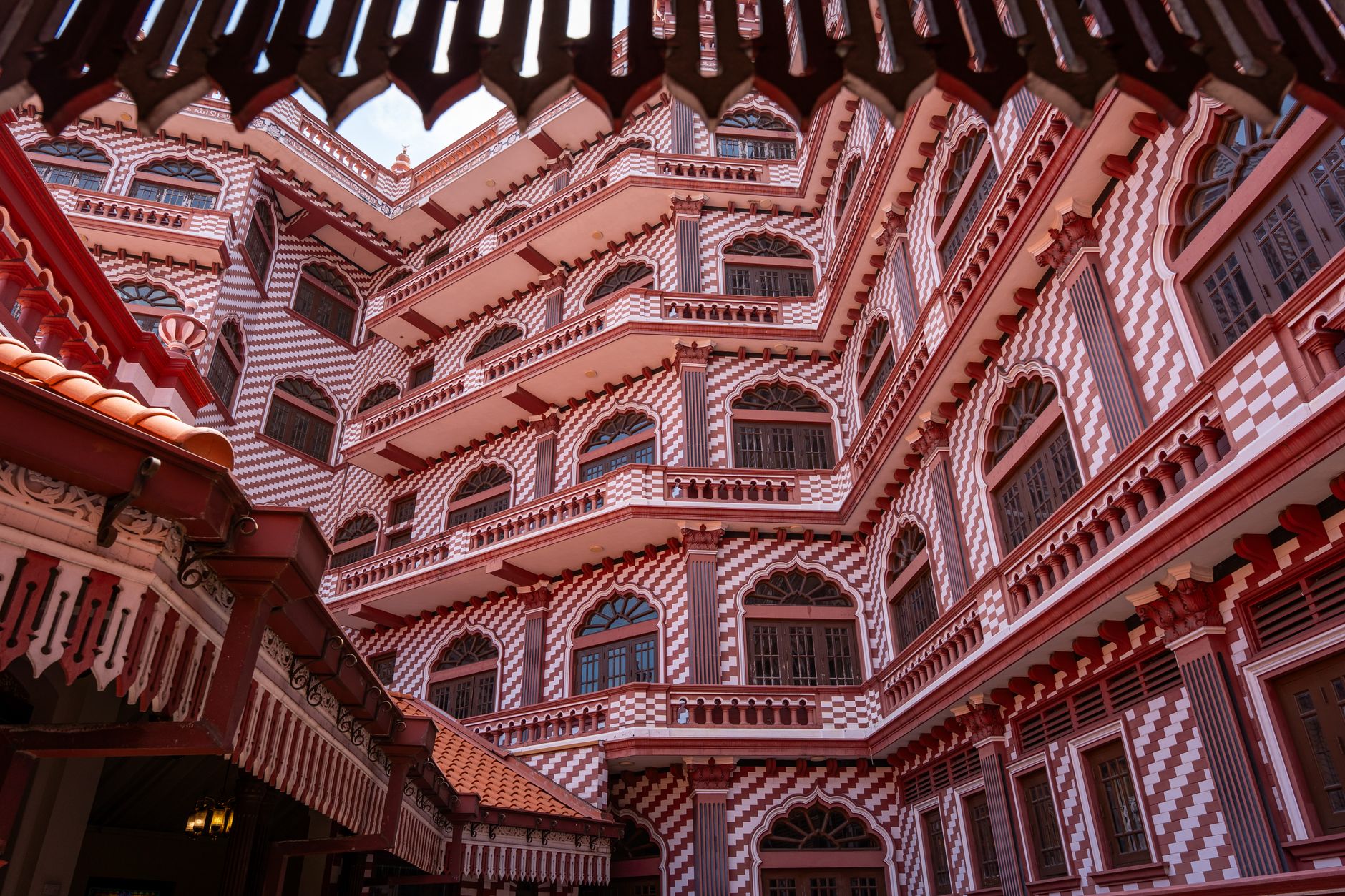
Hotels in Colombo: Where to Stay in Sri Lanka's Capital
Colombo's hotel options reflect the city's character as Sri Lanka's commercial and cultural hub—a mix of restored colonial buildings, gleaming contemporary towers, and beachside properties that each offer distinctly different experiences. The right hotel depends less on star ratings and more on which neighbourhood aligns with what you're actually doing in the city: whether you're here for business in the Fort, eating your way through Galle Face, catching trains to the highlands, or spending time on the southern beaches.
Which Colombo neighbourhood suits your stay?
Fort and the Colonial Centre
This dense, historic quarter near the old harbour is where Colombo's oldest hotels sit alongside banks, government buildings, and bustling street life. Staying here puts you within walking distance of the National Museum, Old Parliament Building, and the chaos of Pettah market—useful if you're exploring colonial architecture or catching a train south. The streets are narrow, traffic constant, and the area gains a different energy after dark. Hotels here tend towards mid-range or heritage properties, often in converted period buildings. It's practical for logistics rather than relaxation.
Related: Clock Inn Colombo: A Guide to the Historic Landmark and Area
Related: Hotels in Sri Lanka: Where to Stay Across the Island
Related: Lagoon Hotels in Bentota: What to Expect and How to Choose
Galle Face and the Promenade
The wide, windy seafront stretching south from the old Fort is where Colombo's most established hotels cluster, many with direct views across the Indian Ocean. This is the aspiring neighbourhood for leisure travellers and those wanting to feel they're "in" Colombo while remaining calm and walkable. The Galle Face Promenade itself is lined with street vendors, families, and fishermen in the early morning, transforming into a social hub by evening. Hotels here range from luxury seafront properties to mid-range options a street or two back. You'll pay for proximity to the water and the area's better restaurants and cafés.
Beira Lake and the Business District
Inland from the coast, where the lake reflects the city skyline, sits Colombo's contemporary hotel zone—tall properties with gyms, multiple restaurants, and the feel of an international business hotel. This neighbourhood is quieter than the Fort, more polished than Galle Face, and useful if you're attending meetings or prefer air-conditioned, climate-controlled comfort. It's less atmospherically interesting for leisure travellers but efficient if you're in the city for work and want good dining and transport links.
Mount Lavinia and the South Beach
About 15 kilometres south of central Colombo, this beachside suburb has shifted significantly in character, with residential development changing the pace. Some established beachfront hotels remain, offering direct access to sand and sea, but they're no longer as exclusive or quiet as they once were. Mount Lavinia works if you want to be near the beach but still connected to Colombo's restaurants and shops via short taxis. The beach itself is functional rather than pristine—strong currents and urban development have altered its appeal—but the area has good local cafés and an ongoing cultural scene.
How accommodation types differ
Heritage and Restored Colonial Hotels
A small number of Colombo hotels occupy period buildings—some converted mansions, others purpose-built during the British administration. These tend to have character, courtyard spaces, and higher staff-to-guest ratios, though rooms can feel darker and systems less reliable than newer builds. They appeal to those interested in Sri Lankan architectural history and those who prefer atmosphere over modernity. Expect prices mid-range to upper mid-range.
Mid-Range Contemporary Hotels
The bulk of Colombo's hotel stock falls here—three- to four-star properties built in the last 15–20 years with reliable air-conditioning, room service, and business facilities. Many are near the business district or scattered through residential neighbourhoods like Colombo 3 and 4. They're efficient, comfortable, and good value compared to the capital cities of the region, though aesthetically unrememberable. Staff tend to be well-trained and multilingual.
Luxury and Upper-Range Hotels
A handful of properties at Colombo's top end offer premium service, restaurants, and views—mostly clustered along Galle Face or with significant floor space and spa facilities inland. These justify their prices through consistency, staff training, and amenities rather than unique settings, given Colombo's urban density. Useful if business or comfort is your priority.
Apartment and Longer-Stay Accommodation
An increasing number of serviced apartments and boutique properties suit visitors staying longer than a few days. These often offer kitchenettes, more space, and placement in residential neighbourhoods with actual local shops and cafés rather than tourist zones. Prices vary widely; some offer better value than hotels for families or those wanting to cook occasionally.
Practical context for booking
Colombo's hotel prices fluctuate significantly by season—the December to February window and school holidays (particularly June–August) bring premium rates and fuller properties. Mid-April to mid-September and September to November are generally cheaper and less crowded, though May and September can be wet. Many hotels quote prices in US dollars for international guests; confirm what's included (Wi-Fi, breakfast, airport transport) as standards vary.
Transport from the airport (Bandaranaike International, about 30 kilometres north) takes 45 minutes to an hour by taxi or pre-arranged transfer; hotel concierges can arrange this, often cheaper than booking online from abroad. Taxis within Colombo are metered and inexpensive; ride-hailing apps work throughout the city.
Book hotels through direct websites when possible, as third-party platforms often overcharge. Many mid-range and upper properties have good websites with transparent pricing. Read recent reviews specifically for comments on Wi-Fi reliability and hot water consistency—common points of variation even in otherwise well-run hotels.
Timing your Colombo stay matters contextually: a night or two on arrival or before departure can be adequate; three to five days allows proper exploration of the city's museums, eating culture, and neighbouring towns like Negombo or Kandy. /colombo/best-time-to-visit offers detailed seasonal context.
What to expect beyond the room
Most Colombo hotels include breakfast (though quality varies significantly) and offer 24-hour room service. Restaurant and bar standards are generally reliable at mid-range and above; independent restaurants outside hotels are often cheaper and better. Staff are typically helpful with restaurant reservations, transport, and activity bookings, though knowledge of cultural sites varies—you may need to research independently.
Internet reliability improves yearly but still isn't guaranteed; properties with fibre connections (increasingly common) are noticeably better. Power cuts are rare in central Colombo but do occur; backup generators are standard at all but the most basic hotels.
For context on what to do in and around Colombo, see /colombo for neighbourhood guides and restaurant recommendations.
FAQs
Is it worth staying in Colombo for several days, or should I head straight to the coast or highlands?
That depends on your interests. If you're interested in museums, colonial architecture, food culture, or understand you'll need a night anyway, three days in Colombo is rewarding. If beaches and nature are your only focus, a night is sufficient; the city itself won't appeal. Colombo is best appreciated by those curious about urban Sri Lanka, not those seeking escape from it.
Are hotels cheaper booked directly or through online platforms?
Often cheaper directly through hotel websites, particularly for mid-range properties. Third-party platforms add commission, which they sometimes pass to the guest. Always check the hotel's own site first and compare rates for the exact same room and dates.
Is the area around my hotel safe at night?
Colombo's main hotel zones (Fort, Galle Face, Beira Lake) are safe for walking and taxis at all hours, though petty theft occurs in crowded areas. Use normal city precautions: don't display valuables, use metered taxis or apps, and avoid walking alone very late. Hotel staff can advise on neighbourhoods and arrange transport if you're unsure.