Hotels in Sri Lanka: A Practical Guide to Choosing Where to Stay
Sri Lanka's accommodation ranges from beachside resorts to mountain lodges and heritage city hotels. Your choice depends on your itinerary, budget, and activity level. This guide cuts through marketing copy and helps you match hotel type to purpose.
What regions should you consider?
Sri Lanka's hotel landscape splits into clear geographic zones, each suited to different travel styles.
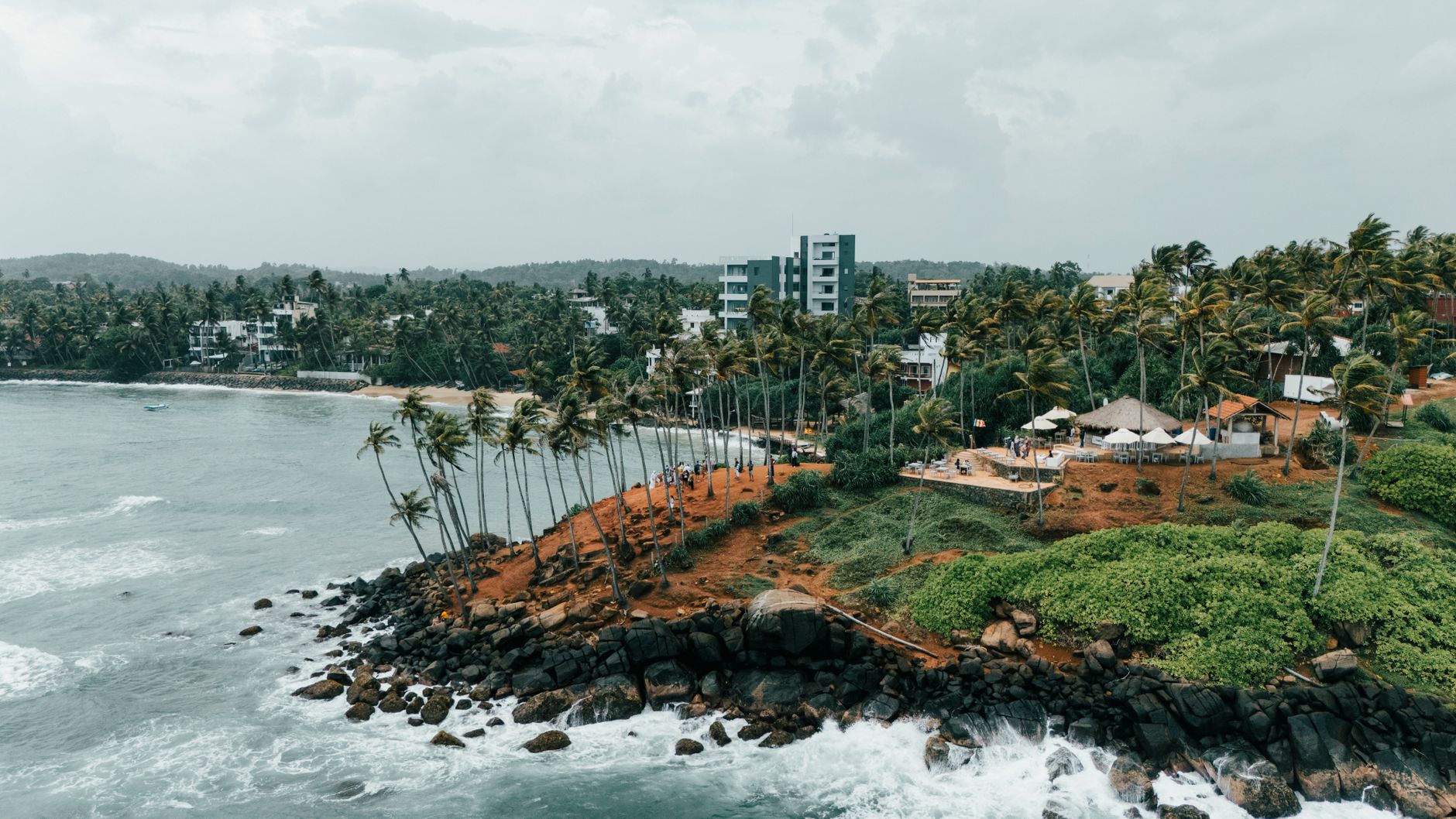
Coastal South and West — Mirissa, Unawatuna, Negombo, and Bentota offer beachfront resorts and guesthouses. Expect surf conditions, reef snorkelling, whale watching (July–April), and relaxed pacing. Hotels here range from budget beach shacks (£15–30) to upscale resorts (£80–200+). Humidity and heat are year-round; monsoon rain hits May–September on the west and south coasts separately.
Related: Hotels in Yala National Park Sri Lanka: Where to Stay
See also: Is Arugam Bay Worth Visiting? An Honest Take
See also: Colombo with family: what works and what to skip
Hill Country — Ella, Kandy, and Nuwara Eliya sit 600–2,000 metres up. Cooler climate, tea plantations, trekking, and cultural sites dominate. Hotels skew toward mid-range lodges (£25–80) and boutique properties; fewer ultra-luxury options exist here. Rain is heaviest October–November and April–May.
Colombo and Suburbs — City hotels concentrate around Fort, Galle Face, and Colombo 7. Business travellers, transit stops, and cultural exploration drive demand. You'll find chain hotels (£60–150), boutique properties, and budget options. Humidity is high; monsoon patterns favour May–September avoidance.
Cultural Triangle — Sigiriya, Polonnaruwa, and Dambulla attract history-focused travellers. Hotels are smaller, often mid-range (£25–70), with fewer resort-style chains. Dry season (May–September) is optimal.
East Coast — Arugambe, Trincomalee, and Batticaloa are less developed. Budget and mid-range dominate; resorts are emerging. Good for solitude and April–October bathing.
How do you match hotel type to your purpose?
Beach and leisure — Book a coastal resort in Mirissa or Bentota if you're swimming, surfing, or resting. Three to five nights is typical. Check monsoon timing before booking; the west and south coasts share similar November–March peaks but differ on rain patterns in other seasons.
Trekking and hiking — Stay in Ella or Nuwara Eliya if your itinerary includes Pidurutalagala, Adam's Peak, or Horton Plains trails. Mountain lodges often provide early breakfasts (treks start 3–4 a.m.), packed lunches, and drying facilities. Budget £30–60 for comfort; expect basic to mid-range finishes. October and April–May see rainfall; December–March is driest.
Cultural sites and history — Base yourself in Kandy or the Cultural Triangle for temple visits, ancient ruins, and museums. Three to four nights lets you cover Sigiriya, Polonnaruwa, and local sites without rushing. Hotels here are often smaller and character-driven rather than resort-styled.
City exploration and transit — Colombo hotels near Fort or Galle Face work if you're transiting, shopping, or visiting museums and galleries. One to two nights suffice. Mid-range business hotels dominate; boutique options exist but book ahead.
What budget range should you expect?
£15–30 per night — Guesthouses and budget beach huts, mostly on the coast and in Ella. Basic Wi-Fi, fan cooling, shared bathrooms common. Suitable for backpackers and long-term independent travellers.
£30–60 per night — Mid-range lodges, mountain hotels, and family-run beach properties. Private rooms, air-conditioning or fans, breakfast often included. Good value for couples and families.
£60–150 per night — Boutique hotels, converted heritage properties, and mid-tier resorts. Character, solid service, private balconies, air-conditioning, restaurant on-site. Suitable for discerning leisure and some business travellers.
£150–300+ per night — Luxury resorts, high-end hotels in Colombo and coastal hotspots, and flagship boutique properties. Premium service, high-quality dining, spa facilities, often beachfront. Justifiable for special occasions or business travel.
How do you avoid common mistakes?
Monsoon timing — The island has two monsoon cycles. Southwest monsoon (May–September) hits the west and south coasts; northeast monsoon (November–February) affects the north and east. Check your chosen region before booking. Expect rain, rough seas, and potential cancellations of water activities.
Overcommitting to one area — Booking five nights in one hotel can feel monotonous. Plan moves every three to four nights unless you're on beach-only holiday.
Ignoring connectivity — If you're working remotely, confirm hotel Wi-Fi quality and backup mobile coverage. City hotels are safer bets; mountain and rural properties can be unreliable.
Noise and neighbours — Budget properties and beachfront hotels in peak season get loud. Read recent reviews for guest feedback. Quieter properties exist slightly inland or at altitude.
Distance to activities — A resort in Bentota is 100 km from Kandy's temples. Plan transport; tuk-tuks and hired drivers add cost and time. Match hotels to your activity clusters.
How far should you book in advance?
Peak season (December–March) — Book three to six months ahead if you have specific hotel preferences. Popular coastal resorts fill fast.
Shoulder seasons (April–May, September–October) — Two to four weeks ahead is usually sufficient.
Green seasons (June–August, November) — Last-minute bookings often yield discounts. Risk of rain is higher but tourist density drops.
For trekking and cultural sites, two to three weeks is safe year-round unless you're travelling Christmas or New Year.
Is location more important than stars or reviews?
Yes. A three-star hotel on the right beach or in the right town beats a four-star property 20 km away. Proximity to your activities—trekking trailheads, surf breaks, temple clusters—saves time and money. Use Google Maps to check walking distance to restaurants, shops, and transport hubs.
Reviews matter for service quality, cleanliness, and Wi-Fi reliability, but location trumps rating.
FAQs
Q: Which region is best for a first-time visitor? A: The south and west coasts (Mirissa, Unawatuna) combine beaches, cultural sites (Galle Fort), wildlife, and easy infrastructure. Alternatively, spend time in Ella for hill-country trekking and scenic trains. Combine both for a balanced trip.
Q: Should I book online or contact hotels directly? A: Online platforms (Booking.com, Agoda) offer wider choice and cancellation flexibility. Direct booking sometimes yields better rates for multi-night stays. Compare both before committing.
Q: Is it safe to use budget hotels? A: Yes, generally. Read recent reviews for cleanliness and security. Avoid the cheapest options in isolated areas. Mid-range guesthouses in town centres are safer and often better value.
Q: What's the best time to visit overall? A: December–March is dry and busy across the island; book early. For fewer crowds, try April–May (green, some rain) or September–October. Each region has different optimal windows—check Ella's best-time-to-visit guide for specific examples.