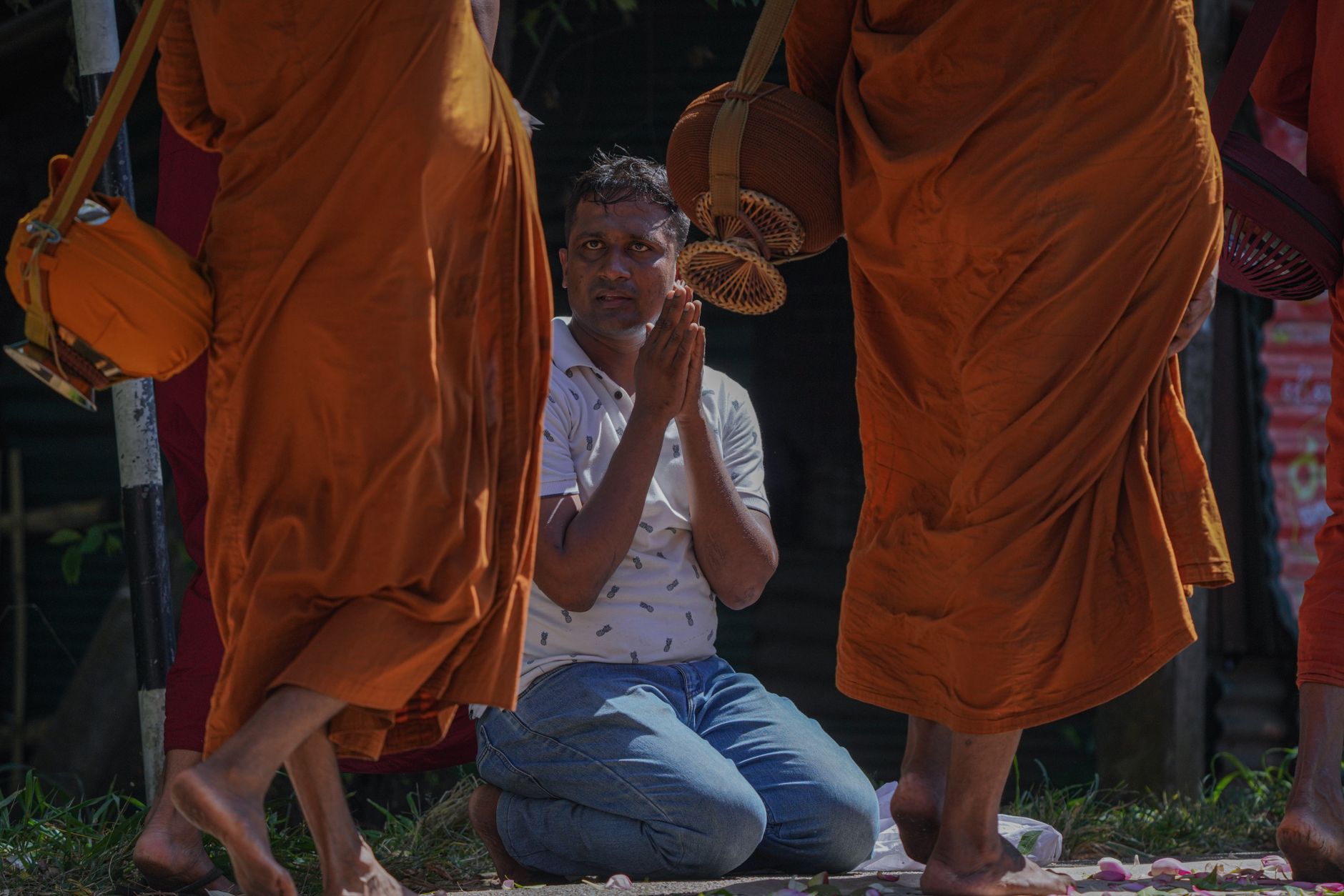
Anuradhapura is worth visiting if you value ancient Buddhist archaeology, patient wildlife watching, and the atmospheric quietness of ruins. The experience is rewarding but demands heat tolerance, early starts, and realistic expectations about crowds and preservation. It's not a quick tick-box stop; it's a place that repays time and effort.
What actually makes Anuradhapura special?
The city is Sri Lanka's most significant Buddhist heritage site—home to the Mahabodhi Temple, Jetavana Stupa (once the world's tallest brick structure), and the sacred Bodhi Tree, guarded by monks for over 2,000 years. Walking through the ruins, you encounter genuine stillness. The sites aren't manicured theme parks; they're real archaeological remains embedded in scrubland, tank systems, and working monastic culture. That authenticity is the draw.
Wildlife adds unexpected richness. The wetland tanks around the ruins attract painted storks, herons, crocodiles, and sometimes wild boar. Early morning or late afternoon, the light across water and ancient brick creates the visual drama you'd hope for. This isn't Yala, but it's not empty either.
Related: Is Negombo Worth Visiting? An Honest Take
See also: Is Arugam Bay Worth Visiting? An Honest Take
Related: Best Places in Sri Lanka for Wildlife Safari
Is the heat actually a problem?
Yes. Anuradhapura is inland and flat; temperatures peak between April and September, often exceeding 35°C with little natural shade. Many sites are open compounds with minimal shelter. A midday visit in May means walking exposed, dusty paths for several hours. Your tolerance matters enormously.
Visit between November and February for genuine comfort. March and October are borderline—manageable early morning, gruelling by 10 a.m. If you arrive during high heat, start at dawn (6 a.m.), finish by noon, rest during afternoon heat, and return late afternoon if energy permits.
How spread out are the sites?
Very. The Sacred Precinct—the core Buddhist cluster—covers roughly 40 square kilometres. Walking between major stupas means 1–3 km stretches on open roads. A hired three-wheeler or car (with driver) is essential; backpacker walking culture doesn't work here. Expect to spend a full day covering main sites at a sensible pace. Rushing through in four hours leaves you exhausted and disappointed.
Where should you stay?
The Ivy Lake (4-star, 8.9/10 rating) offers the highest-rated comfort, with lakeside views and air-conditioned refuge. Gamodh Citadel Resort (3-star, 8.5/10) provides mid-range reliability. For budget options, Montana Rest Apartments and Lievis Tourist Homestay - Anuradhapura both score above 8.7/10 despite basic facilities. Near Wilpattu National Park (accessible from Anuradhapura), Big Game - Wilpattu by Eco Team (8.6/10) combines heritage exploration with wildlife.
Accommodation quality here is functional rather than luxury-focused. Expect reliable rooms with fans or air-con, basic breakfasts, and helpful staff. The trade-off is worth it—you're based for genuine early starts.
Who should actually go?
Go if you:
- Have specific interest in Buddhist history or ancient architecture.
- Enjoy patience-based travel (slow exploration, not rushing).
- Can manage heat or visit during cool months.
- Want to see Sri Lanka beyond beaches and tea plantations.
- Appreciate wildlife in unglamorous settings.
Skip or defer if you:
- Prefer manicured, well-explained sites with cafés and rest points.
- Have only 24 hours in Sri Lanka's north.
- Cannot tolerate heat above 35°C without significant discomfort.
- Want Instagrammable temples with crowds and infrastructure.
What does a realistic day look like?
5:30 a.m.: Wake, basic breakfast at your hotel. 6:00 a.m.–8:30 a.m.: Visit Jetavana Stupa and surrounding compounds (fewer people, cooler light). 8:45 a.m.–10:30 a.m.: Sacred Bodhi Tree area (popular, but manageable early). 10:30 a.m.–1:00 p.m.: Rest, hydrate, light lunch at hotel or town café. 3:00 p.m.–5:30 p.m.: Mirisawetiya Stupa or tank-side walks (wildlife, softer light). Return to hotel before dark.
This structure respects heat, maintains attention, and gives you 5–6 hours actual exploration—enough for meaningful time without burnout.
How does Anuradhapura compare to Polonnaruwa?
Polonnaruwa is also ancient and similarly spread out, but its sites feel more arranged (slightly more accessible). Anuradhapura is grander in scale and Buddhist significance, but less navigable. Polonnaruwa can work as a half-day stop; Anuradhapura deserves a full day or overnight. If you have time, visit both—they're distinct enough. If choosing one, Anuradhapura's Bodhi Tree and Jetavana Stupa justify the extra effort.
Wilpattu National Park connection
Wilpattu lies 40 km northwest and complements Anuradhapura well. You can base yourself near Anuradhapura and make a three-hour safari trip. Early-morning game drives (6:00–10:00 a.m.) offer leopard, elephant, and water-buffalo sightings more reliably than ruins alone. Many visitors combine a ruins day with a Wilpattu morning.
The verdict
Anuradhapura is worth visiting if you approach it honestly: as a moderately demanding, heat-exposed, but genuinely significant archaeological experience, not as a quick photo stop. The ruins are real, the history is dense, and the quietness is real—but only if you have the time, physical tolerance, and curiosity to slow down and observe. For culture-focused travellers spending 2+ weeks in Sri Lanka, it's essential. For week-long beach trips, it's worth only if you're willing to sacrifice a beach day.
Give it 24 hours, start early, hire transport, book decent accommodation, and the effort pays off with something few Sri Lanka visits offer: genuine encounter with one of Buddhism's holiest sites, largely preserved and lived-in rather than performed.
FAQ
How long should I spend in Anuradhapura? One full day (dawn to afternoon) covers main sites reasonably. Two days allow deeper exploration and afternoon/early-evening wildlife watching. Rushing through in 4–5 hours means surfaces only.
Is it safe to visit alone? Yes. The town and archaeological sites are safe. Solo travellers are normal here. Hire a driver for transport; walking alone on main roads is possible but impractical in heat.
What's the best time to visit? November to February (cool, dry). Avoid April–September (peak heat and potential rain). March and October require dawn starts and afternoon retreats.
Can I see Anuradhapura as a day trip from another city? From Dambulla (70 km south, ~2 hours drive), yes—early start, five-hour visit, evening return. It's rushed but possible. Staying overnight removes pressure and enables evening wildlife watching at tanks.