Ella delivers legitimate drama: emerald tea gardens rolling toward thousand-metre cliffs, morning mist that dissolves by noon, and trails that loop through working plantations where you'll smell fermented leaf and hear pickers' voices. But it's also become Sri Lanka's most crowded hill-station village, with guesthouses replacing family homes and Instagram set-pieces replacing solitude. Is it worth visiting? Yes—but the honest answer requires nuance.
What makes Ella genuinely special
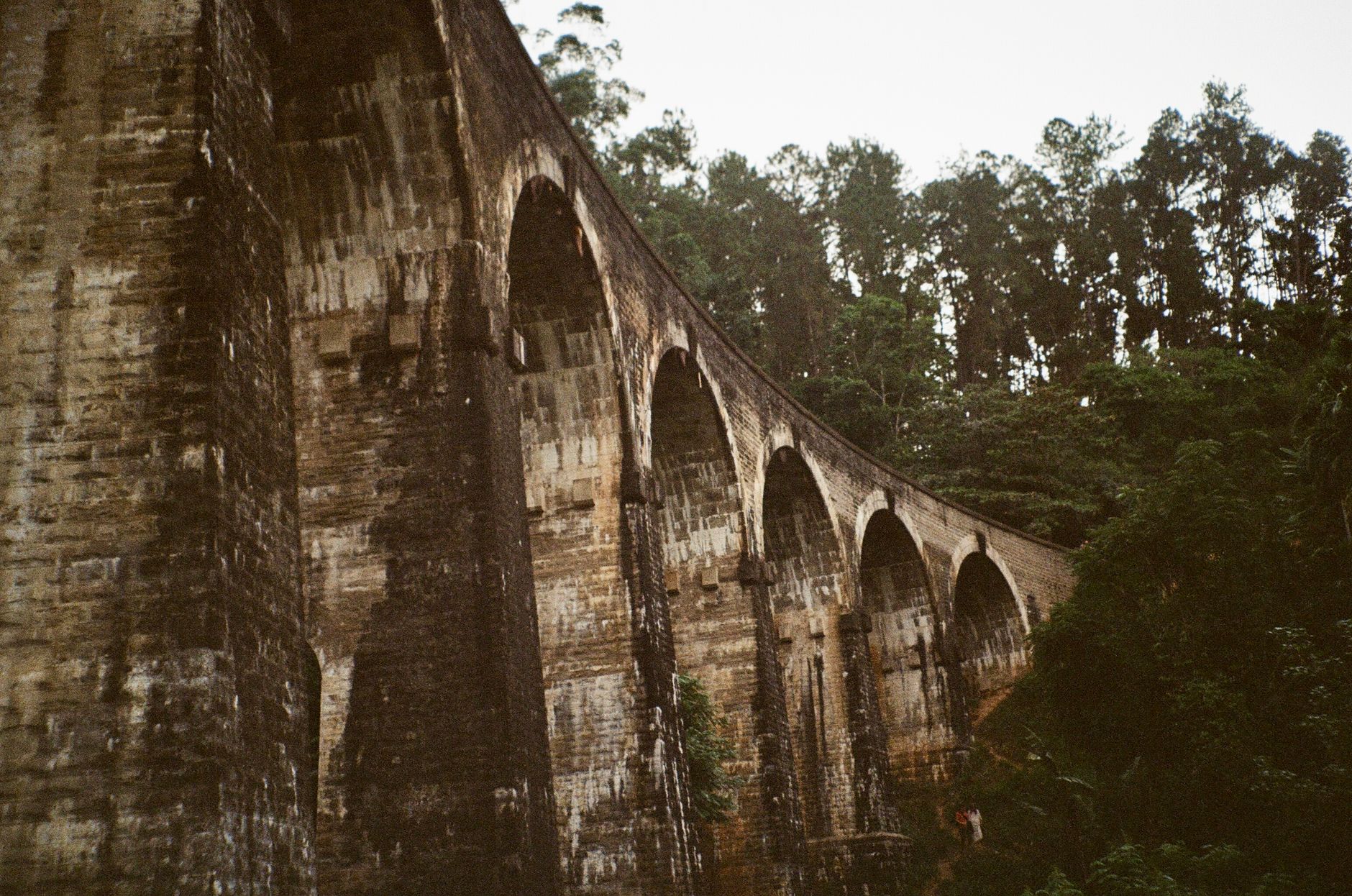
The landscape is the real draw. Nine o'clock bend—the hairpin turn on the Ella–Kandy road—offers unobstructed views across the Badulla plateau that justify the hype. From here you see terrain that barely changes for forty kilometres: contoured tea gardens, eucalyptus groves, and the occasional cardamom plantation catching afternoon light. This isn't Instagram hyperbole; it's textured, layered scenery that changes with the hour.
The walking is straightforward and accessible. Ravine hiking—the most popular route—takes two hours return, descends four hundred metres through tea gardens, and reaches a stream-fed waterfall. Little Adam's Peak, a neighbouring ridge, offers similar views to Kandy's better-known Adams Peak but with one-fifth the crowds. Both routes follow maintained paths used by plantation workers; you're not scrambling over unmarked rock.
Related: Kandy to Ella Train Tickets: Routes, Prices & How to Book
See also: Jaffna for Solo Travellers: Safety and Practical Tips
See also: Galle for Solo Travellers: Safety and Practical Tips
Tea tourism has a practical advantage here. Unlike factory visits in Nuwara Eliya, Ella's plantations are scattered across the slopes, so visiting one doesn't mean standing in a bus queue. EKHO Ella and RAVANARANGE ELLA both arrange morning walks through working gardens where pickers are actually harvesting—not a staged photo opportunity.
The downsides that matter
Ella has tipped into overcrowding. The main bazaar—a single high street—now hosts forty-odd guesthouses, cafés, and souvenir stalls where there were perhaps eight years ago. Between November and February, the village fills with trekkers following identical itineraries: nine o'clock bend at sunrise, Ravine trail by mid-morning, Little Adam's Peak at dusk. You'll share every viewpoint.
Accommodation quality is patchy. Budget options like Rock Side Inn-Ella (1 star, 8.6/10 rating) and Lakshmis Hotel (2 stars, 8.5/10) offer character and value but minimal amenities. Mid-range properties like Hotel Onrock (3 stars, 8.3/10) and Misty Hills Ella Resort (3 stars, 8.1/10) deliver more comfort but feel generic. Only EKHO Ella (4 stars, 8.9/10) and the five-star options—RAVANARANGE ELLA (8.5/10) and Duet Hearts (8.8/10)—genuinely match their price to experience. Many mid-range properties inflate rates during peak season without corresponding improvements.
Food culture is tourist-driven. Cafés serve "authentic Sri Lankan curry" alongside pasta and smoothie bowls; genuine local eating means finding small rice-and-curry shops off the main street. Most travellers eat in their guesthouses or the handful of tourist-facing restaurants.
Weather is unpredictable. Ella sits in a cloud belt; mist can obscure views for days during the southwest monsoon (May–September). Even in the dry season, mornings are often clouded until 11am. You might arrive to find views completely obscured.
When Ella is actually worth your time
Visit if: You have 2–3 nights and want straightforward hill-station walking without technical difficulty or major altitude acclimatisation. You're comfortable sharing space with other trekkers. You're interested in tea production beyond a factory visit. You value the landscape over solitude.
Skip or shorten if: You're seeking quiet hill-station retreats (Kandy's Ramboda Falls area or the Horton Plains plateau offer more space). You dislike crowds. You need guaranteed clear views (those occur November–February, but morning mist still common). You've already visited other Sri Lankan tea regions.
The honest timeline
Three nights is the realistic optimum. Day one: settle in, walk the main bazaar, do nine o'clock bend at sunset (fewer people). Day two: Ravine trail in the morning, explore plantations in the afternoon. Day three: Little Adam's Peak early, depart mid-afternoon. Two nights feels rushed; four nights means repeating routes.
Best months to visit: Late July through September (fewer tourists, though mist more likely) or December–January (clear skies, heavy crowds). Avoid February–April (hottest, busy) and May–June (monsoon mist lasts until noon).
Comparing Ella to alternatives
Ella vs. Nuwara Eliya: Ella has better walkable landscape and working tea culture. Nuwara Eliya has cooler climate, lake views, and a historic town feel. Choose Ella for nature, Nuwara Eliya for town exploration.
Ella vs. Kandy region: Kandy has cultural attractions (temples, markets, Royal Botanic Garden) and is busier but more convenient. Ella is purer hill-station experience with less to do beyond walking.
Ella vs. Horton Plains: Horton Plains offers higher altitude (2,200m vs. 1,041m), more dramatic escarpment views, and fewer guesthouses—but requires early starts, poor facilities, and day-trip logistics. Better for experienced hikers; Ella is more accessible.
Where to stay
For genuine value and character, Rock Side Inn-Ella punches above its 1-star rating (8.6/10 from 192 reviews) with a riverside setting and knowledgeable owners. EKHO Ella (4 stars, 8.9/10) bridges budget and comfort thoughtfully. If budget allows, Duet Hearts (5 stars, 8.8/10) or RAVANARANGE ELLA (5 stars, 8.5/10) justify cost through privacy and service, though tea-garden views are visible from most price points.
For more on Ella, including detailed hiking routes and seasonal logistics, see our destination guide.
The final word
Ella is worth three nights if you want accessible hill-country walking and actual working tea culture. It's not worth a longer stay unless you're using it as a hub for Badulla district exploration. It's not quieter or less touristy than you've heard; it's more crowded than five years ago and will be more crowded in five years' time. But the landscape is real, the walking is good, and if you time it right—early morning, shoulder seasons—you'll have moments of genuine peace above the clouds.
FAQs
How many days should I spend in Ella? Three nights allow two full days of walking without repetition. Two nights is viable but rushed; four or more means revisiting the same trails.
Is Ella worth visiting in the rainy season? Monsoon mist (May–June, September–October) obscures views until late morning and occasionally all day. Cloud forests can be beautiful, but you're gambling on visibility. Best to visit November–February for reliability.
Can I hike Ella independently or do I need a guide? Main trails (Ravine, Little Adam's Peak, nine o'clock bend) are marked and safe to walk alone. A local guide adds context about tea harvesting and plantation history but isn't essential for safety.
Is Ella more expensive than other Sri Lankan towns? Yes. Guesthouse prices have doubled in five years. Budget travellers should expect £8–15 per night for basic rooms; mid-range runs £20–50. Comparable towns like Kandy and Galle are slightly cheaper.