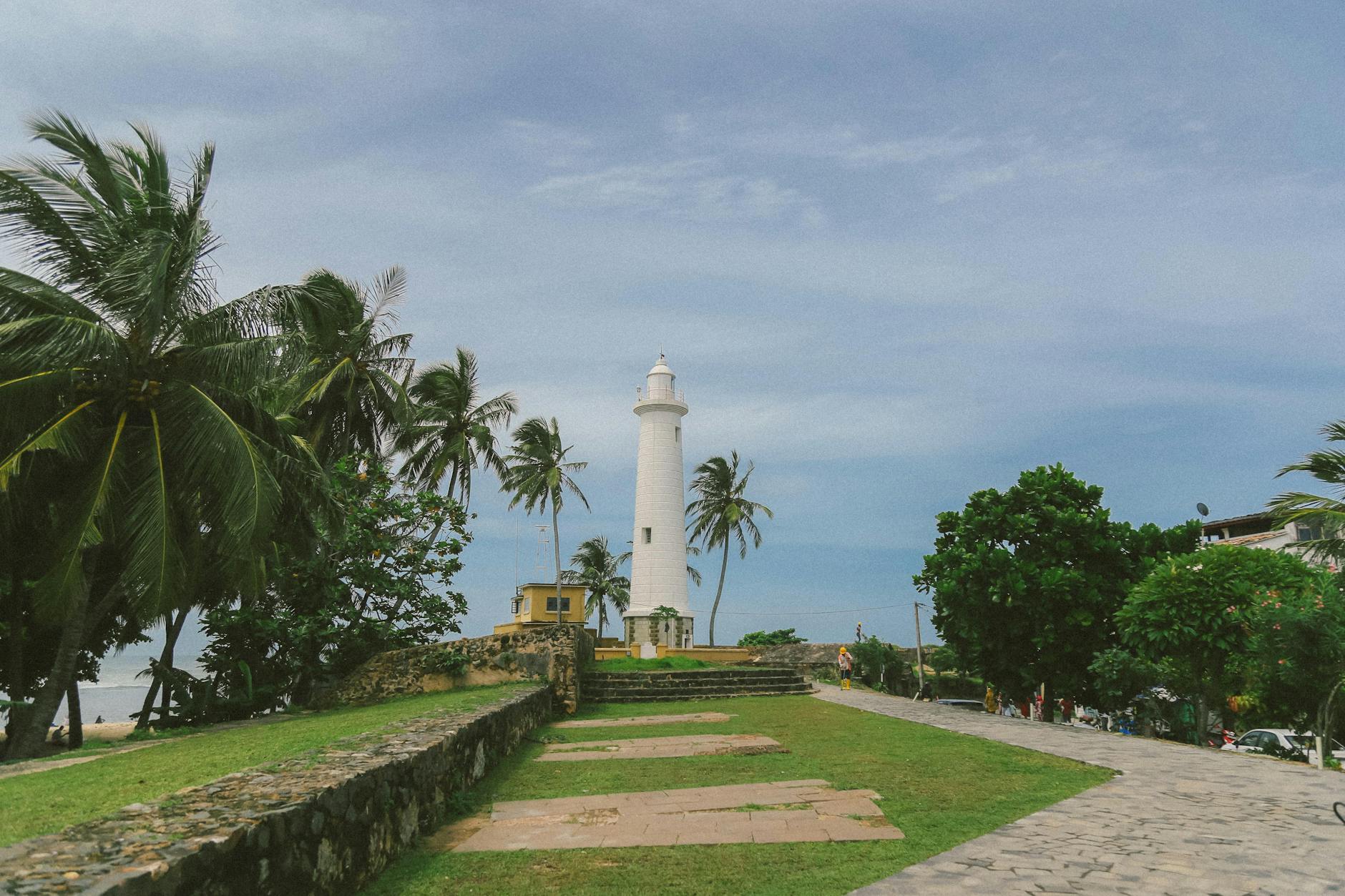
Galle for Solo Travellers: Safety and Practical Tips
Galle is exceptionally welcoming for solo travellers. The fort and old town are compact and walkable, local transport is cheap and frequent, and the community actively engages with independent visitors. Petty theft exists, but serious crime against tourists is rare. Choose accommodation inside or near the fort for maximum safety and convenience.
Is Galle safe for solo travellers?
Yes. Galle has a low rate of violent crime against tourists. The fort area draws visitors year-round; locals are accustomed to independent travellers and generally helpful. However, petty theft—phone snatching, bag slashing—does occur in crowded spots like the clock tower and fish market. Avoid flashing expensive cameras or jewellery, and keep one hand on your bag in dense crowds.
Women solo travellers report feeling safe during daylight and early evening throughout the fort. After dark (past 9 p.m.), stick to well-lit streets and avoid isolated sections of the ramparts. Unwanted attention is minimal compared to Colombo or beach areas like Mirissa, though occasional approaches from tuk-tuk drivers or street vendors occur—a firm "no" ends most interactions.
Related: Nallur Kandaswamy Kovil: A Complete Guide
See also: Kanneliya Rainforest: Wildlife, Trails & Visitor Guide
See also: Unawatuna with family: what works and what to skip
Where should a solo traveller stay in Galle?
Stay inside or immediately adjacent to the fort. This puts you within metres of restaurants, bakeries, the ramparts, and other solo travellers (and witnesses). The fort itself is genuinely compact—you can cross it on foot in seven minutes.
Budget option with high ratings: Wijenayake's - Beach Haven Guest House - Galle Fort (3 stars, 9.1/10) sits right within the fort walls, steps from the lighthouse and seaside terrace. Shared common areas encourage solo traveller connection. Fort Inn Guest House (3 stars, 7.7/10) is another centrally located budget pick.
Mid-range with sociable vibe: Ginganga Lodge (4 stars, 9.5/10) is Fort-adjacent and consistently praised for hospitality—owners actively help guests plan days and arrange transport. Villa White Queen (4 stars, 8.8/10) is a small property near the fort with reliable Wi-Fi and on-site advice.
Upmarket and secure: Le Grand Galle (5 stars, 9.1/10) and The Fort Printers Hotel (5 stars, 8.9/10) both offer 24-hour reception, safes for valuables, and staff who speak English. If you want structured peace of mind, the extra cost pays dividends.
Avoid staying in outlying neighbourhoods or beachside huts; you'll spend money and time on transport and feel less embedded in the town's rhythm.
How do you get around Galle safely as a solo traveller?
Within the fort: Walk. Every corner is reachable on foot, and foot traffic is your ally—you're never truly alone. Rampart walks at dawn or dusk are safe; hundreds of early risers and joggers use them daily.
To nearby beaches (Unawatuna, Mirissa): Tuk-tuks are cheap (Rs. 200–500) and reliable. Agree on a fare before boarding. If the driver seems unsafe or takes a roundabout route, ask to be let out near a shop or police checkpoint. Three-wheelers are ubiquitous; never feel obliged to stay with one driver. For a slightly higher fee (Rs. 1,500–2,500), call a ride via PickMe or Uber from your phone—your destination is confirmed in advance, and there's a digital record.
Train to Mirissa or Matara: The coastal railway is an experience and entirely manageable solo. Buy a ticket at the station 20 minutes before departure. Third-class carriages are packed with locals; second-class is quieter and safer for solo travellers. Trains run mid-morning and mid-afternoon; travel in daylight.
Night safety: Don't wander alone after 10 p.m. If you're out for dinner, ask staff to arrange a tuk-tuk pick-up from the restaurant. Most hotels will call one for you at no cost. Stick to lit main streets and avoid the quieter eastern sections of the fort ramparts after dark.
Practical logistics for solo travellers
Money and valuables: ATMs are reliable and widely available; withdraw cash during daylight and avoid doing so in very crowded areas. Carry two cards and store one separately. Use your hotel safe for documents, spare cash, and items you don't need daily. Pickpocketing is the main threat, not mugging.
Phone and internet: Buy a local SIM (Dialog or Airtel) at the airport or any shop for Rs. 500–800. Data is cheap (Rs. 3,000 per month for unlimited). You'll use it for calling tuk-tuks, booking hotels, and contacting family. Hotels and restaurants offer free Wi-Fi; quality varies but is generally reliable.
Language: English is spoken in hospitality and commercial settings. Learn a few Sinhala phrases ("ayubowan" = hello, "mistura" = thanks, "nana" = no). Locals appreciate the effort, and it reduces the likelihood of overcharging.
Food safety: Eat where you see locals eating. Street food—kottu roti, lamprais, hoppers—is safe if prepared in front of you. Avoid uncooked salads and unpasteurised milk. The fish market operates early morning; buying fresh fish and having a nearby restaurant cook it is cheap, fun, and very safe.
Medical: Galle has a government hospital (Galle Teaching Hospital) and private clinics. Travel insurance is essential and inexpensive. Pharmacies stock most Western medications without prescription.
Connect with other solo travellers
Galle is a hub for independent travellers, especially during October–March. Your accommodation will likely have a common area where other solos congregate for breakfast or evening drinks. Many travellers stay 3–7 days and form informal groups for day trips or meals. Ask staff at your guesthouse about walking tours (usually free or tip-based) and cooking classes—both attract solo travellers.
Hostel-style guesthouses (like Wijenayake's) naturally facilitate connection. If you're staying at a hotel, eat breakfast on the terrace or at a nearby café rather than your room—you'll meet people.
When to visit
December to March is peak season: calm seas, dry weather, and busy with travellers. You'll have company but also crowds. April–May and September–November are quieter and warmer; fewer other solo travellers around, but also fewer eyes on the streets. June–August sees periodic rain and monsoon swells; not dangerous, but less comfortable. August is lowest-season; the town empties, accommodation is cheaper, and it can feel isolating if solo travel is new to you.
FAQ
Is it cheap to travel solo in Galle? Yes. A mid-range guesthouse costs Rs. 2,000–4,000 (USD 7–13) per night. Meals range Rs. 300–800 (street food to decent restaurant). Local transport is minimal; one tuk-tuk to nearby attractions is Rs. 300–500. A comfortable solo week costs USD 150–250, including food and activities.
Should I book accommodation in advance? During peak season (December–February), yes—major guesthouses fill quickly. During low season, you can arrive and choose from several options, though you'll miss the bargaining and personal touch of a walk-in. Booking in advance via Agoda or the property's website ensures a room and lets you contact the hotel to ask about solo traveller discounts or nearby activities.
What's the best solo traveller activity in Galle? Rampart walks at sunrise (5:30–6:30 a.m.) are meditative and safe; you'll meet joggers and photographers. The fort itself—wandering side streets, visiting the lighthouse, drinking tea in a colonial-era shop—is timeless. Day trips to Unawatuna Beach or a train ride to Mirissa are easy and social.
Can I travel solo as a woman in Galle? Absolutely. Women solo travellers report Galle as one of the friendlier Sri Lankan towns for independence. Harassment is rare; unwanted attention exists but is usually low-key and stops with a firm response. Stick to the fort and nearby populated areas, and you'll feel comfortable.
Related reading
For more on the region, explore Ella for hill-country hiking and Mirissa for beach-focused solo travel.