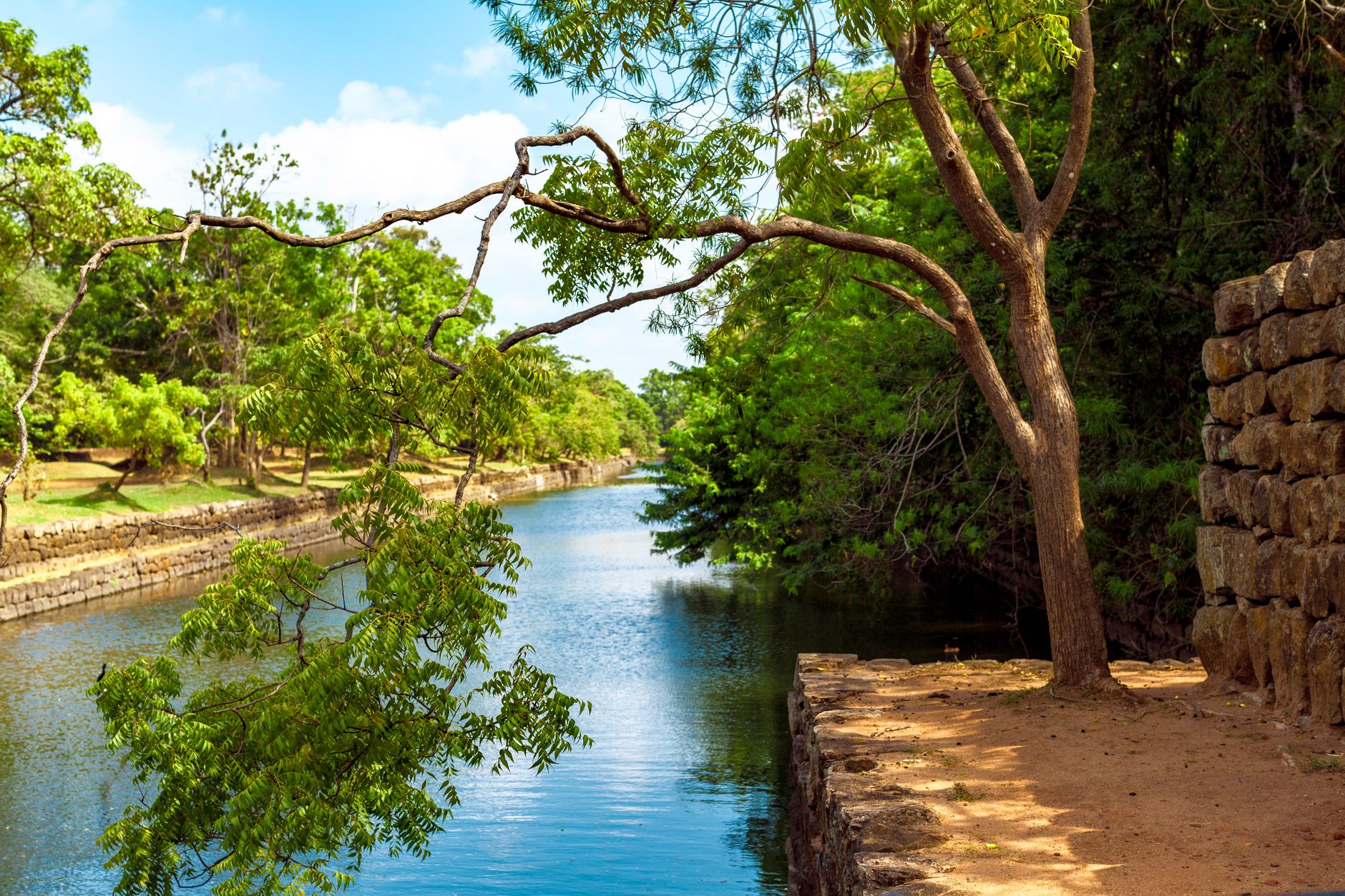
Habarana isn't a destination in itself—it's a strategic base. Worth visiting? Yes, if you're chasing leopards at Yala, climbing Sigiriya, or exploring Polonnaruwa's ruins. The town itself offers little. Your answer depends on what you actually want to do.
Habarana works as a jumping-off point for Sri Lanka's Cultural Triangle and the country's best wildlife reserves. If your itinerary centres on national parks and ancient sites within a 90-minute radius, it's invaluable. If you're hoping for a charming town experience or beach proximity, look elsewhere.
What actually brings people to Habarana?
Three things:
Related: Alugolla: Sri Lanka's Hidden Waterfall Gem in the Central Highlands
Related: Sigiriya for Solo Travellers: Safety and Practical Tips
Related: Hikkaduwa Places to Stay: Budget to Mid-Range Options
Safari logistics. Yala National Park's entrance at Tissamaharama is 2.5 hours south; leopard sightings peak May–September and December–February. Minneriya National Tank (famous for August elephant herds) sits 40 minutes east. Kaudulla National Park is 30 minutes away. Early morning departures from Habarana mean you can start safari drives before dawn—crucial for predator activity.
Sigiriya Rock Fortress. The monolithic 5th-century palace sits 15 minutes north. Most visitors climb it at dawn (6–7am) to avoid afternoon heat. You'll encounter walls of tourists but the views justify it. The climb takes 45 minutes to the summit; expect crowds between 7–9am.
Polonnaruwa's medieval ruins. Forty minutes east, these UNESCO-listed palaces, temples and reservoirs require a full day. You're cycling or walking between sites in tropical heat—Habarana's proximity matters when you're already fatigued.
The honest limitations
Habarana has no beach, no nightlife, and no independent dining culture beyond hotel restaurants. The town itself is dusty, unremarkable, and exists primarily to house tourists. Walking around town offers nothing; your experience happens within a vehicle or on a guided tour. Infrastructure is basic outside resort grounds.
If you're not doing safaris or visiting the Triangle sites, there's genuinely no reason to be here. You won't wake up thinking, "I'm so glad I stayed in Habarana." You'll think, "Glad that base camp got me to Yala at 5am."
Who should stay here and for how long
Stay 2–3 nights if you're combining Yala safari (overnight or full day) with Sigiriya and Polonnaruwa visits. This rhythm gives you one evening to rest between early starts.
Skip it entirely if:
- You're only visiting Sigiriya (stay in nearby Dambulla instead)
- You're heading to Yala but have limited time (Tissamaharama, 90 minutes south, is closer to the park)
- Your focus is beaches or the south coast
Where to stay: matching hotel quality to your actual needs
Habarana's accommodation spans from functional to luxury. Choose based on recovery time between activities, not town charm.
For serious comfort between safaris: Taru Villas Maia - Habarana (9.7/10, 51 reviews) is the standout—intimate villas with thoughtful design, superior breakfasts, and staff who understand safari rhythms. You'll return exhausted from a 5am Yala drive; this place justifies the cost. Sigiriya Forest Edge by Marino Leisure (9.6/10, 119 reviews) offers similar refresh quality.
For reliable mid-range value: Habarana Village by Cinnamon (9.0/10, 647 reviews) is dependable—pools, decent buffets, efficient service. Not memorable, but you're sleeping 6 hours between activities, not seeking transcendence. The Other Corner Hotel (9.0/10, 102 reviews) is smaller, quieter, equally practical.
For resort scale and facilities: Cinnamon Lodge Habarana (8.9/10, 838 reviews) and Aliya Resort & Spa - Thema Collection (9.0/10, 845 reviews) both deliver expected resort amenities—spas, multiple restaurants, grounds to decompress on. You won't feel isolated.
Budget-conscious: Oak Ray Elephant Lake (8.0/10, 89 reviews) is simple but serviceable for one or two nights.
None of these hotels are destination experiences. They're bases. That's fine—that's what Habarana is.
Practical timing and logistics
Best months to visit Habarana: Depends on what you're doing. For Yala leopard safari, May–September offers the best sightings (dry season, concentrated wildlife around shrinking water). For Minneriya's August elephant gathering, July–August. Polonnaruwa and Sigiriya are year-round, though heat is brutal March–May.
Getting there: Colombo to Habarana is 3.5 hours by road (northbound on the A6). Kandy to Habarana is 1.5 hours southeast. Plan ground transport through your hotel—solo tuk-tuk negotiation is possible but organised drivers know routes and timing better.
What to actually pack: Quick-dry clothing, serious sun protection, binoculars for safari, and good walking boots for Sigiriya and Polonnaruwa. You'll be up at 5am multiple days; bring melatonin if jet lag hits hard.
The real decision
Visit Habarana if your itinerary requires it—safari access, Triangle sites, and good hotel infrastructure make it functional. Don't expect the town to enchant you. Your enchantment will come from a leopard sighting at dawn, or climbing a 5th-century fortress, or cycling past thousand-year-old stupas. Habarana simply positions you to find those moments.
If you're not doing those things, you're wasting time. And time in Sri Lanka is better spent elsewhere.
Frequently asked questions
How long should I spend in Habarana? Two to three nights maximum. One night if you're rushing (covers Sigiriya sunrise and one activity). More than three and you're repeating safaris or padding the itinerary unnecessarily.
Is Habarana safe? Yes. Tourist areas and hotels are secure. Standard precautions apply (don't flash valuables, avoid solo walks after dark). You'll feel safer here than in Colombo or Kandy.
Can I see elephants from Habarana? Yes—Minneriya (40 minutes) guarantees sightings August–September when herds gather at the tank. Kaudulla (30 minutes) is reliable year-round. Both require booked jeep safaris.
Should I hire a private driver or book hotel safaris? Private drivers are cheaper but hotel concierges have better park connections and know current wildlife movement. For your first safari, book through the hotel. Subsequent visits, private hire saves money.