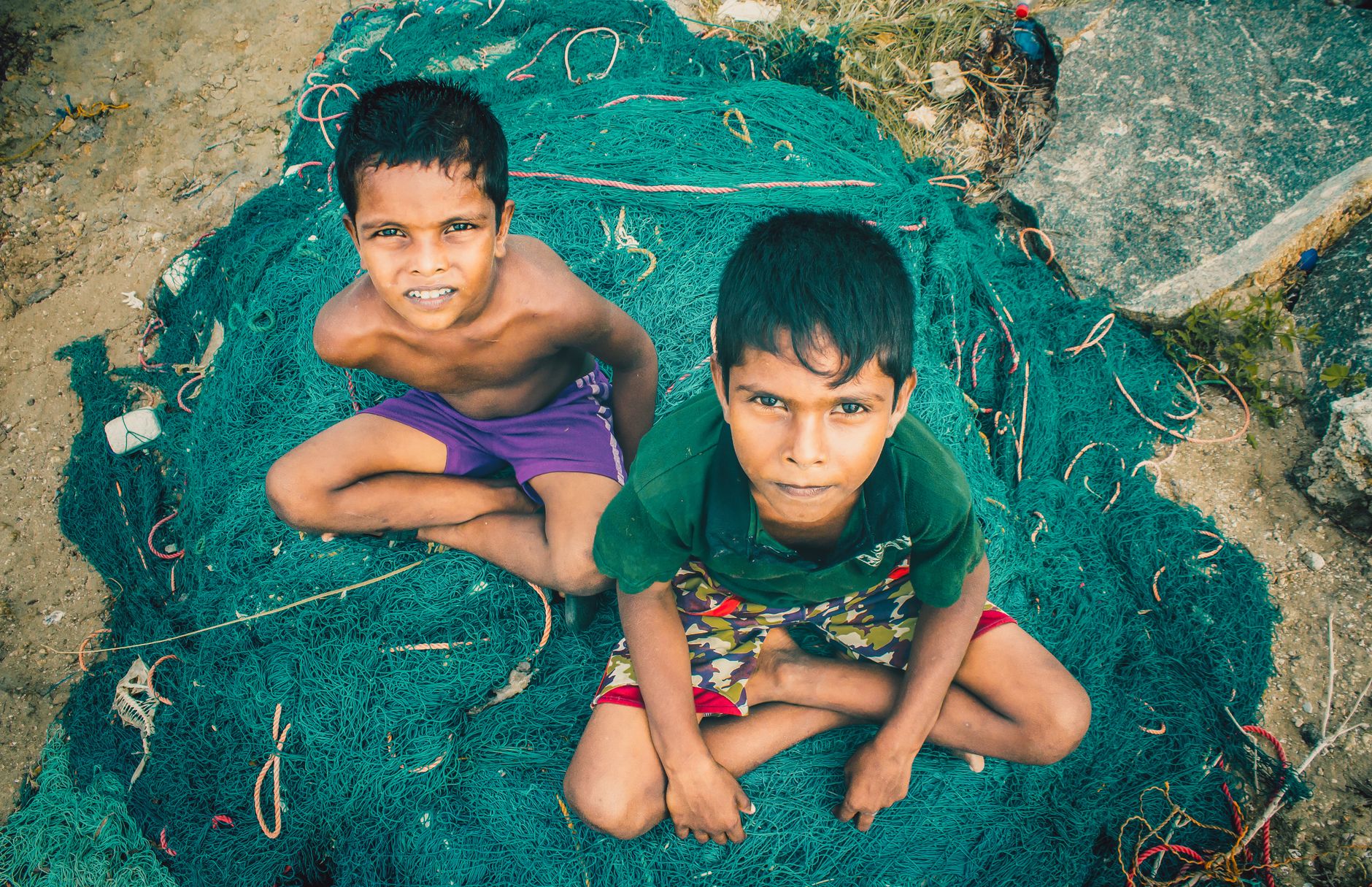
Yes, Jaffna is worth visiting—but only if you travel with realistic expectations and enjoy slow, unpolished experiences. It's the least developed tourist region in Sri Lanka, with the fewest hotels, restaurants, and Western conveniences. What you gain instead is authenticity, Hindu temple grandeur, and almost complete absence of tourist crowds. The question isn't whether Jaffna is 'worth it' in absolute terms; it's whether its particular character suits your travel style.
What makes Jaffna genuinely compelling
Jaffna's appeal lies in its visual and cultural specificity. The Jaffna peninsula—separated from the mainland by the Jaffna Lagoon—has a distinct Tamil Hindu identity that shapes everything from food to architecture. The Nallur Kandaswamy Temple, the region's spiritual centrepiece, draws serious pilgrims year-round; its intricate gopuram (gateway tower) and daily rituals feel entirely removed from Sri Lanka's Buddhist tourism circuit. If you've visited Colombo's Galle Face Hotel or Kandy's crowds, Jaffna feels like a different country.
The food is the second draw. Jaffna's seafood—especially prawn curry, crab omelette, and lagoon fish—benefits from extreme freshness and Tamil cooking traditions absent elsewhere in Sri Lanka. Restaurants here operate without tourist markup; you'll eat superbly for low prices. The lagoon itself, dotted with fishing nets and mangrove channels, offers photography and quiet reflection that Negombo's busier waters don't provide.
Related: Mirissa with Family: What Works and What to Skip
Related: Kandy to Ella Train: The Ultimate Guide to Sri Lanka's Most Scenic Journey
Related: Places to Stay in Hikkaduwa: Budget to Mid-Range Options
Architecture enthusiasts will find colonial buildings in genuine disrepair—which means no sanitised museum experience, just crumbling verandas and peeling pastel walls that document the region's post-war recovery. The Jaffna Fort, though partly ruined, tells a clearer story than manicured heritage sites elsewhere.
The honest infrastructure problems
Jaffna has no direct flights from Colombo. You must fly to Colombo first, then either drive 7–8 hours north or take an overnight bus. The A9 highway is now fully open and relatively well-maintained, but the journey exhausts many visitors. Some choose to break it into two days, stopping in Vavuniya or Mullaitivu, but this adds cost and logistics.
Hotels are limited. Jetwing Jaffna, Fox Resorts Jaffna, and Northgate Jaffna maintain 4-star standards and score 8.7–8.9/10, but they're small properties with fewer than 50 rooms combined. Book early, especially during Hindu festival months (April, July, October). Mid-range options like Jaffna Heritage Villa (8.6/10) exist, but budget hotels are genuinely basic; Hotel Green Grass scores 6.8/10 for reason.
Restaurants cluster around the clock tower and hospital road; there's no dining scene comparable to Galle or Ella. If you have dietary restrictions or expect variety, you'll struggle. Power cuts still occur, though less frequently than five years ago. Internet is adequate in hotels but unreliable elsewhere.
Who should (and shouldn't) visit
Go if you:
- Want to see Hindu temple culture and Tamil Sri Lanka without the mainland India logistics
- Enjoy slow travel, reading, and reflection over packed itineraries
- Are interested in post-war regional recovery and recent history
- Love seafood and will eat whatever's caught that day
- Are comfortable with minimal English outside hotels
- Have flexible dates and can tolerate occasional service delays
Skip if you:
- Need reliable hot water, consistent electricity, or quick Wi-Fi
- Prefer structured tours, organised activities, and scheduled meals
- Want beaches; Jaffna's coast is lagoon and mangrove, not sand
- Are on a tight schedule and can't absorb a 7–8 hour drive
- Need a broad choice of restaurants or accommodation styles
- Expect English to be widely spoken
Best time to visit Jaffna
Jaffna's climate is drier than the rest of Sri Lanka. The driest months are May to September, with minimal rainfall. October to April sees occasional rain but remains manageable. July hosts the Nallur Temple Festival, drawing thousands of pilgrims; accommodation fills weeks in advance. If you want quietness, May to June or September to October offer the best balance of dry weather and low crowds.
What to actually do there
Most visitors spend 3–4 days and find it sufficient. Days usually follow this pattern: morning temple visits (Nallur Kandaswamy, Mullaitivu Maviddapuram), lunch at a lagoon-side restaurant, afternoon walks through the clock tower bazaar, evening drives to the Jaffna Fort or lagoon viewpoints. The Nallur Kandaswamy Temple alone justifies the trip if you appreciate temple architecture; watching priests perform evening rituals inside the sanctum is hypnotic. The adjacent temple tank reflects the gopuram in perfect symmetry.
Beyond temples, there's limited "tourist activity". No elephant orphanages, tea plantations, or waterfall hikes. This lack of organised attractions either appeals to you or it doesn't.
The real verdict
Jaffna is worth visiting if you value cultural specificity, quiet, and the satisfaction of reaching somewhere genuinely remote within Sri Lanka. It's not worth visiting if you need comfort, variety, and efficiency. The peninsula doesn't pretend to be a mainstream destination, and that authenticity is its primary asset. If you've travelled through South India or spent time in rural Tamil Nadu, Jaffna will feel familiar and rewarding. If you're expecting Mirissa's beach bars or Kandy's curated experiences, you'll be disappointed.
The 7–8 hour drive is real cost, not just time. Budget accordingly, and consider whether you're visiting Jaffna because it genuinely appeals to you, or because you feel you 'should' tick off Sri Lanka's regions. The former travellers love it. The latter often feel the journey wasn't justified by what they found.
FAQ
How long should I spend in Jaffna? Three to four days is standard. Two days feels rushed; a week is ideal if you want to absorb the pace and take day trips to outlying temples like the one at Kankesanturai. Most visitors stay 3 days.
Is Jaffna safe for tourists? Yes. The security situation has stabilised considerably since 2015. The region sees very few tourists, which means minimal street crime and genuine local friendliness. Avoid discussing the 26-year war casually; it's recent history and remains sensitive. Police and military presence is visible but not oppressive.
Can I hire a driver for the Colombo–Jaffna drive? Yes, and most visitors do. A return drive from Colombo costs 8,000–12,000 LKR (roughly $25–$36 USD). Most 4-star hotels can arrange this. The drive is safest during daylight; departing Colombo at dawn reaches Jaffna by late afternoon. An overnight stay in Vavuniya breaks the journey if you prefer.
What's the food situation really like? Excellent if you eat fish and seafood, limited otherwise. Vegetarian options exist (dhal curry, plantain, coconut sambal) but aren't abundant. There's no Western-style breakfast culture outside hotels. Breakfasts are typically hoppers, string hoppers, or kottu roti. Eat at guesthouses and small local restaurants; the risk of food poisoning is no higher than elsewhere in Sri Lanka.