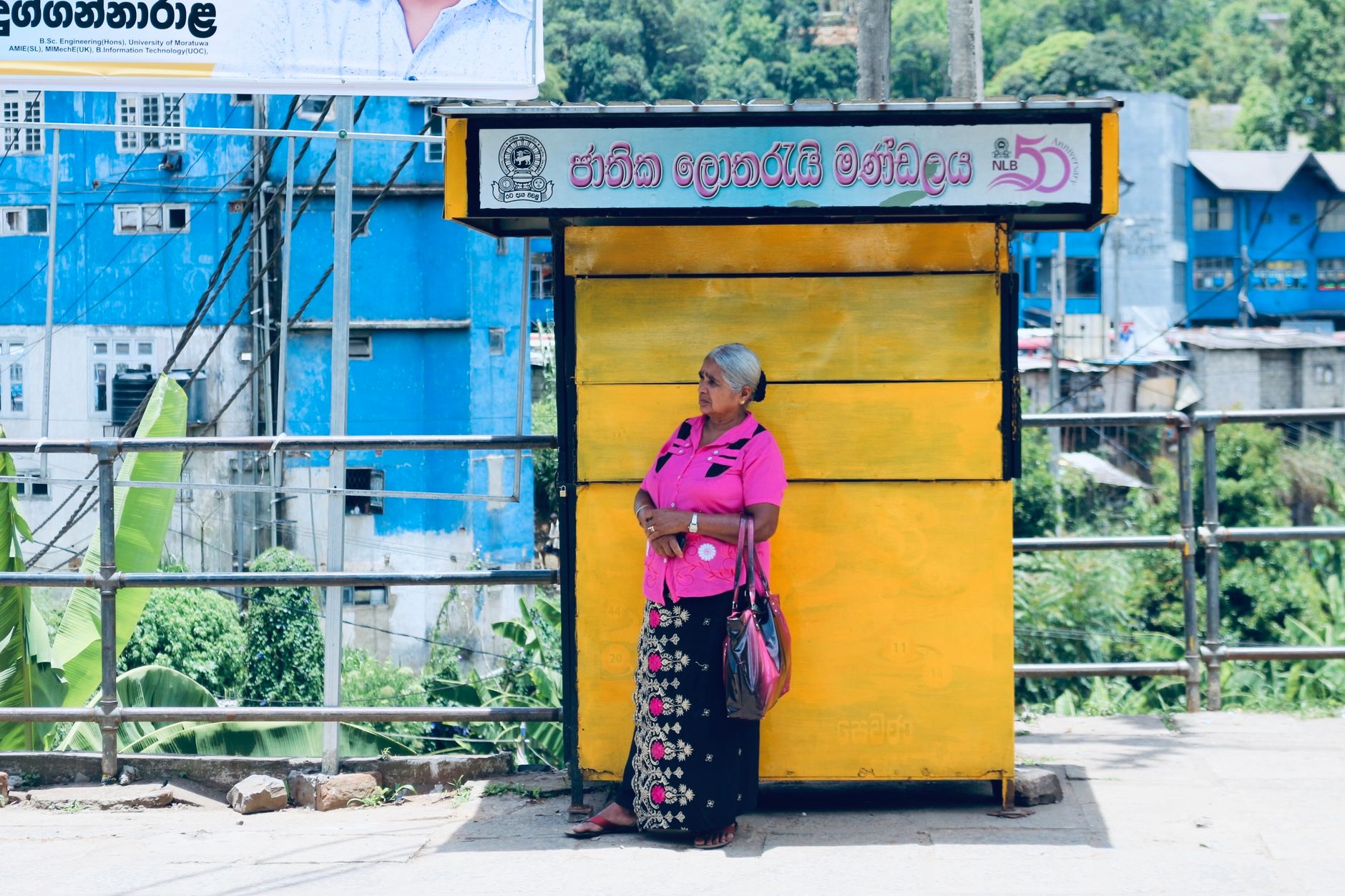
Vavuniya sits at a crossroads between Sri Lanka's cultural heartland and its wildest natural spaces. It's not a destination that appears in glossy tourism brochures, but it offers something increasingly rare: a genuine slice of northern Sri Lankan life without the polish or crowds. The answer to whether it's worth your time depends entirely on what you're seeking—and we'll help you figure that out honestly.
What makes Vavuniya different from other Sri Lankan towns?

Vavuniya is a working town first, a tourist destination second. The majority of visitors here are passing through en route to Jaffna or the Eastern Province, which means you'll experience the place as locals do rather than through a curated lens. The streets hum with the rhythm of daily Tamil and Muslim commerce, the air carries the scent of genuine Sri Lankan street food rather than tourist-friendly adaptations, and conversations happen in Tamil and Sinhala before English enters the picture.
The town sits roughly 225 kilometres north of Colombo and serves as the gateway to Vavuniya District, an area historically significant and geographically diverse. It's built around a central commercial hub with a quiet, unhurried energy that contrasts sharply with the frenetic pace of Colombo or even Kandy.
Related: Is Kurunegala Worth Visiting? An Honest Take
Related: Beautiful Hotels in Tissamaharama: Where to Stay in Sri Lanka's Wildlife Hub
Related: Best Ayurveda Cure in Sri Lanka: Complete Guide
Who should visit Vavuniya?

Vavuniya suits you if you:
Want to explore Wilpattu National Park, one of Sri Lanka's oldest and most rewarding wildlife sanctuaries, located just 30 kilometres away. The park sits in semi-arid scrubland and holds leopards, sloth bears, elephants and over 200 bird species with far fewer tourists than Yala.
Are interested in authentic cultural immersion—visiting Hindu temples, Muslim shrines and historical sites without encountering other Western visitors. The Madhu Road holds spiritual significance, and the town itself has genuine archaeological layers if you're willing to ask locals for guidance.
Enjoy Tamil cuisine and want to eat where Tamil families eat. The town's restaurants serve kottu, devilled dishes, dosas and thosai prepared exactly as they are in Tamil Nadu, and street-level short eats are exceptional and honest.
Are researching Sri Lanka's recent history and want to understand the northern context beyond Jaffna. The district's landscape and communities tell part of that story.
Vavuniya probably isn't for you if you:
Need resort comfort, Instagram-worthy colonial hotels or beaches. There are no beaches here, no luxury amenities, and the hospitality infrastructure is basic.
Are on a tight timeframe looking to maximise major sights. Vavuniya rewards slower travel and local knowledge rather than tick-box tourism.
Prefer the predictability of established tourist towns where English is widely spoken and services are polished.
What's actually worth doing here?

Wildlife and nature: Wilpattu National Park is the draw. It's genuinely excellent—the dry season (June to September, and January to March) offers decent wildlife viewing, and the park's lakes and vegetation create a landscape quite different from Yala. You'll need a jeep and guide; arrange these through your accommodation or a local operator.
Food: Spend time eating. Vavuniya's Tamil and Muslim communities have created a genuine food culture. Walk down the main street and stop at small restaurants for kottu roti made with curry leaves and local spices, or dine at modest family-run places serving devilled preparations and string hoppers. This is where you'll actually understand how Sri Lankans eat outside tourist zones.
Temples and shrines: The Madhu Church (technically in the Mullaitivu District but accessible from Vavuniya) is significant; closer by are Hindu temples worth visiting if you're interested in devotional architecture and local spiritual practice. Ask your hotel staff for recommendations—they'll know which ones welcome visitors genuinely.
Roadside cultural stops: The journey to and from Vavuniya passes through landscape with small towns, wayside shrines and village life. Slow down on the drives rather than treating them as transit.
Where to stay?
Accommodation is modest but honest. Hotel Oviya has strong guest ratings (9.2/10) and offers reliable comfort at a reasonable level—think clean rooms, helpful staff and good value rather than luxury. Birunthavanam (7.3/10 from 26 reviews) is another established option with decent facilities. Both are central, which matters when you're navigating a town where taxis aren't everywhere.
For travellers seeking something quieter, Heritage Medawachchiya Resort in nearby Medawachchiya offers a different environment if you prefer to base yourself outside the town centre. Ask your chosen hotel to arrange wildlife jeeps and guides—they'll have reliable local contacts.
When to go?
The dry season from June to September is best for Wilpattu, when water sources concentrate wildlife. January to March also works. The southwest monsoon (May to September) brings substantial rainfall to parts of the district, though Vavuniya itself sits in a drier zone. Avoid the rainy seasons unless you're specifically comfortable with wet conditions and don't mind flexibility with park visits.
How long should you spend here?
Two days is realistic—one full day for Wilpattu, one for exploring town and food, with a morning or evening for travel. You could stretch to three days if you're researching the district more deeply or want multiple park visits. Most travellers spend one night as a stopover between Colombo and Jaffna, which is worth doing if you have time.
The honest summary
Vavuniya won't give you the manicured experience of Kandy or the beach ease of Mirissa. What it offers instead is directness: real food, genuine local life, excellent wildlife access, and the feeling of being somewhere that exists for reasons other than tourism. It's unpretentious, and that's its strength.
If you're a traveller who gets energy from authentic encounters, authentic food, and landscapes that aren't crowded with other tourists, Vavuniya is genuinely worth a detour. If you travel primarily for comfort and visual spectacle, it isn't. There's no middle ground, and that clarity is perhaps the most honest thing that can be said about it.
Consider coupling it with Ella on a longer northern or eastern itinerary—Vavuniya's authenticity balances well with other, more conventional stops.
FAQ
Is Vavuniya safe to visit? Yes. The town and district have been stable and welcoming to visitors for years. Standard travel sense applies—avoid displaying excessive valuables, keep to main areas at night, and respect local culture. Locals are generally curious and friendly towards visitors.
Do I need a guide for Wilpattu? Yes, park regulations require a licensed guide and jeep operator. Your hotel can arrange this reliably, usually at better rates than booking independently. Guides are knowledgeable and essential for spotting wildlife.
How far is Vavuniya from Jaffna? Approximately 140 kilometres north, roughly 3 to 4 hours by road depending on traffic and road conditions. It's a natural stopover if you're heading to Jaffna from the south.
What's the language situation? Tamil is primary; Sinhala is spoken, and English is limited outside hotels. Learning a few basic Tamil phrases or Tamil numbers is genuinely helpful and appreciated. Hotels and guides will speak English; day-to-day interactions may not.