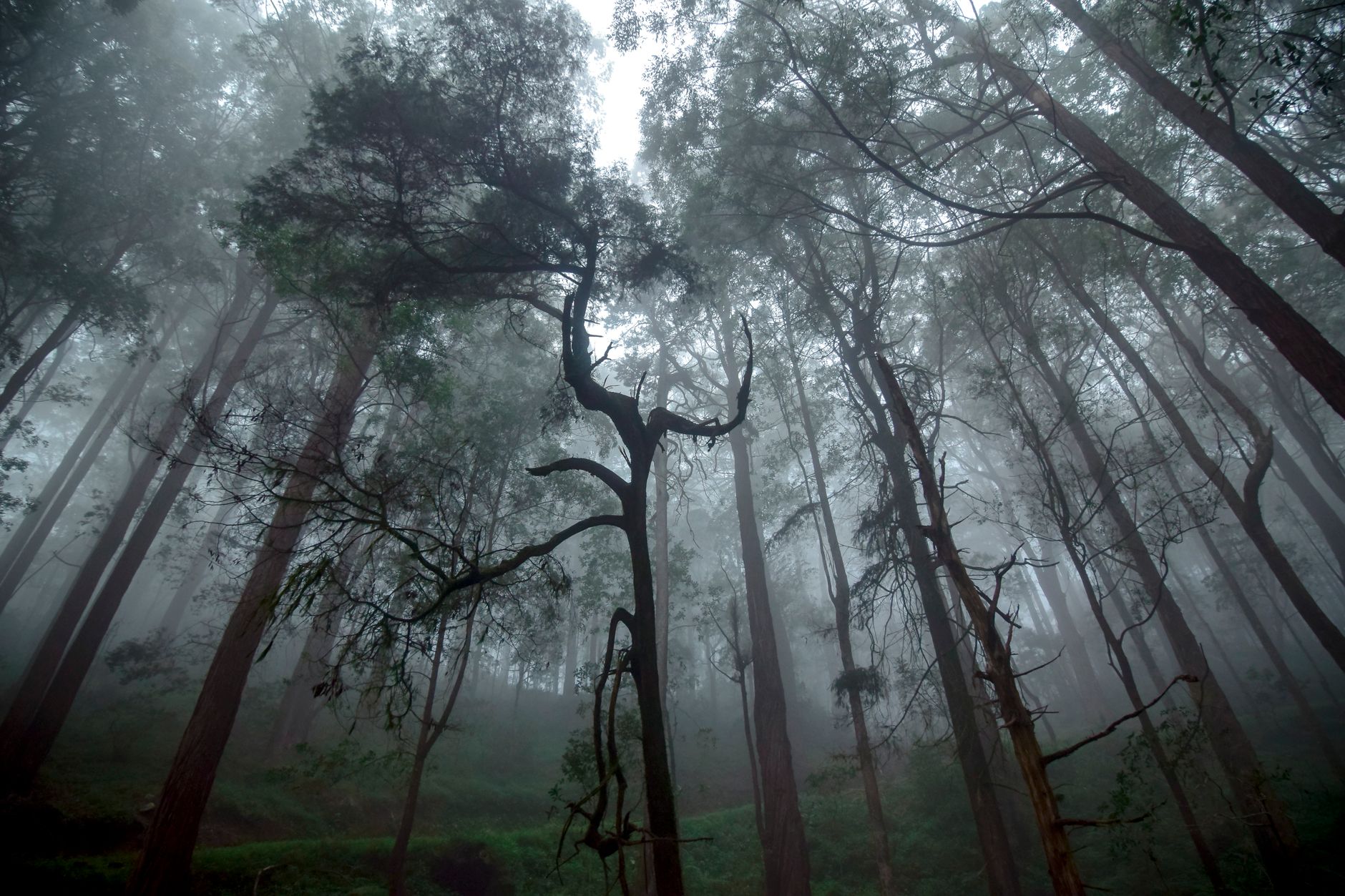
Kanneliya Forest: Sri Lanka's Hidden Rainforest Sanctuary
Kanneliya Forest is a protected rainforest reserve nestled in the southwestern lowlands of Sri Lanka, near Galle District. Unlike the island's better-known hill country forests, Kanneliya offers tropical lowland rainforest—dense canopy, humid understory, streams cutting through volcanic rock, and bird calls that dominate the soundscape. The main trek is moderately challenging, 3–4 hours return, requiring fitness and respect for terrain. It's genuine wilderness, not a manicured nature walk.
What Makes Kanneliya Different?
Most Sri Lankan rainforest visits happen in the central highlands. Kanneliya is lowland rainforest—warmer, more humid, botanically distinct. The forest sits on the southwestern wet zone's most southerly edge, protected as a sanctuary since the 1990s. You'll find endemic birds (Sri Lanka wood pigeon, green-billed coucal), monitor lizards, and if you're very quiet at dawn, occasional leopard tracks. The canopy is so thick that midday feels like twilight. Stream crossings are frequent; the forest essentially is a network of streams running to the Gin River.
Getting There: Access and Reality Check
Starting point: The village of Kanneliya, roughly 25 km southeast of Galle via the A17 coastal road towards Matara. From Galle town, it's a 45-minute drive by private taxi or tuk-tuk (around 1,500–2,000 LKR one way). Public transport (bus from Galle towards Matara) drops you at the village; from there, a short walk to the forest entrance.
Related: Nightlife and Evenings in Kilinochchi
Related: Tissamaharama with Family: What Works and What to Skip
Related: Is Pasikuda Worth Visiting? An Honest Take
Gate and guide: There's a small Forest Department office at the entrance. A guide is not strictly compulsory but highly recommended—trails branch, stream levels vary seasonally, and a local guide enhances wildlife spotting and safety. Expect to pay 2,000–3,500 LKR for a guide (shared with your group). Entry fee is minimal (usually under 500 LKR).
Best seasons: December–April. Rainfall is low, trails are firm (though muddy in patches), and stream crossings are manageable. May–September brings heavy monsoon; trails become treacherous and leeches are prolific. October–November is transitional—still viable but damp.
The Trek: Difficulty and What to Expect
Difficulty: Moderate. Not a casual stroll, but not technical climbing either.
Duration: 3–4 hours for the main loop, depending on pace and wildlife stops.
Terrain:
- Steep descent into the forest canopy (rope sections on the steepest parts).
- Frequent stream crossings—sometimes ankle-deep, sometimes knee-deep depending on recent rain.
- Exposed tree roots, slick rocks, and narrow ledges alongside waterfalls.
- Mud and exposed soil; footfall is unpredictable.
Fitness required: You need solid hiking legs. Not a beginner walk. If you struggled with Pidurangala or Adam's Peak, this is harder than both due to the exposed footing and continuous wet conditions.
What you'll see:
- Cascades and small waterfalls (more dramatic in the rainy season; diminished by March–April).
- Dense canopy—towering trees forming a green tunnel.
- Birdlife: early morning is best; guides spot things you'd never find alone.
- Rock formations and stream geology.
- Leeches (in season, October–November especially).
Gear and Practical Checklist
- Footwear: Waterproof hiking boots or trail shoes with good grip. Flip-flops or smooth-soled shoes are dangerous.
- Clothing: Quick-dry trousers (not denim—it stays wet for hours), lightweight long-sleeve shirt for sun and insect protection, rain jacket (even in 'dry' season, forest mist happens).
- Water and snacks: 2 litres minimum; the forest is humid and exposed roots are tiring. Bring energy bars or fruit.
- Leech prevention: Salt, insect repellent, and acceptance. Leeches are bloodsuckers but harmless. Salt applied directly makes them drop; vinegar also works. Tight socks and tucked trousers reduce exposure.
- Torch/headlamp: Canopy is dim even at midday. Useful for spotting animals and navigating steep bits.
- First aid: Blister kit, basic bandages, painkillers.
- Camera: Bring it; light conditions are challenging but worthwhile if you're interested in macro photography or bird shots.
Comparing Kanneliya to Other Sri Lankan Forests
| Forest | Difficulty | Duration | Best for | Terrain |
|---|---|---|---|---|
| Kanneliya | Moderate–hard | 3–4 hrs | Rainforest immersion, birdwatching | Wet, steep, streams |
| Sinharaja (near /ella) | Moderate | 4–6 hrs | Biodiversity, endemic birds | Muddy, steep, slippery |
| Pidurangala | Easy–moderate | 1.5–2 hrs | Sunrise, views, fitness-building | Rocky scramble, open |
| Panilkan Sanctuary | Moderate | 2–3 hrs | Leopard habitat, seclusion | Gentler than Kanneliya |
Kanneliya is wetter and more challenging than Pidurangala but more contained than a full Sinharaja trek. It's ideal if you want authentic rainforest without committing to a multi-day trek.
When to Visit Kanneliya
Peak season (December–February): Dry, clear skies, firm trails. Busiest with other trekkers. Go early (by 7 a.m.) to avoid midday heat and other groups.
Shoulder season (March–April, November): Acceptable, but muddy patches are common. Leeches peak in November.
Monsoon (May–September): Avoid unless you're an experienced rainforest hiker. Trails flood, visibility is near zero, and wildlife is less active.
For more context on southwestern Sri Lanka timing, see /galle/best-time-to-visit.
Wildlife You Might Encounter
- Birds: Sri Lanka wood pigeon, ashy-headed laughing-thrush, green-billed coucal, common hawk-cuckoo (vocal at dawn).
- Mammals: Monitor lizards (common), bats, civets (nocturnal).
- Amphibians: Frogs and toads, especially after rain.
- Invertebrates: Leeches (seasonal), centipedes, spiders (harmless).
Leopards live in Kanneliya but are extremely shy. Sightings are rare and never guaranteed. Early morning increases your chances, but a guide is essential for safety and to avoid disturbing the forest.
Essential Logistics
Best base: Galle town (20 min away by taxi) offers accommodation, restaurants, and a working port town atmosphere. See /galle for options.
Travel time from other regions:
- From Colombo: 2.5–3 hours by car; drive south on the A2 and A17.
- From Mirissa: 30 minutes north.
- From Unawatuna: 20 minutes south.
Cost breakdown (per person for a group of 2–3):
- Taxi from Galle: 1,500–2,000 LKR.
- Entry fee: 300–500 LKR.
- Guide fee (shared): 1,000–2,000 LKR per person.
- Total: roughly 3,000–4,500 LKR (~$10–15 USD).
Timing the day: Start early (6:30–7:00 a.m.) to catch birdlife and avoid heat. The forest is coolest and most active in early morning.
Practical Tips
- Respect the guide's pace. Rushing increases injury risk on slick rock.
- Don't stray from the marked path. Stream valleys look similar; navigation is easy to botch.
- Listen for calls before moving. The forest is richest when you're quiet. Guides will stop to identify bird sounds; embrace these pauses.
- Bring a dry bag for electronics. Humidity and stream spray are constant.
- Avoid peak midday heat. Trails are shadiest in early morning and late afternoon. 10 a.m.–3 p.m. is oppressive and exhausting.
FAQ
Can I visit Kanneliya without a guide? Technically yes, but not recommended. Trails branch, stream levels are unpredictable, and wildlife spotting is severely limited. A guide costs little and transforms the experience. Safety improves significantly with a local who knows the terrain and can navigate stream crossings.
Are leeches really a problem? Not a deal-breaker, but seasonal. October–November is worst; they're less common December–April. Wear long socks, use insect repellent, and carry salt. Leeches don't carry disease and drop off after a day or two. Apply salt or vinegar and they'll release immediately.
Is this a good trek for someone who's never hiked before? No. This requires good fitness, balance on uneven terrain, and comfort with wet, exposed footing. Start with easier walks (Pidurangala, short trails near Ella) and build fitness before attempting Kanneliya. See /ella for beginner-friendly alternatives in Sri Lanka's southwest.
What's the difference between Kanneliya and Sinharaja? Kanneliya is shorter, more accessible, and lower altitude (near sea level). Sinharaja is larger, more biodiverse, and requires better fitness and multi-day planning. Both are rainforest, but Kanneliya is an afternoon immersion; Sinharaja is a full commitment.