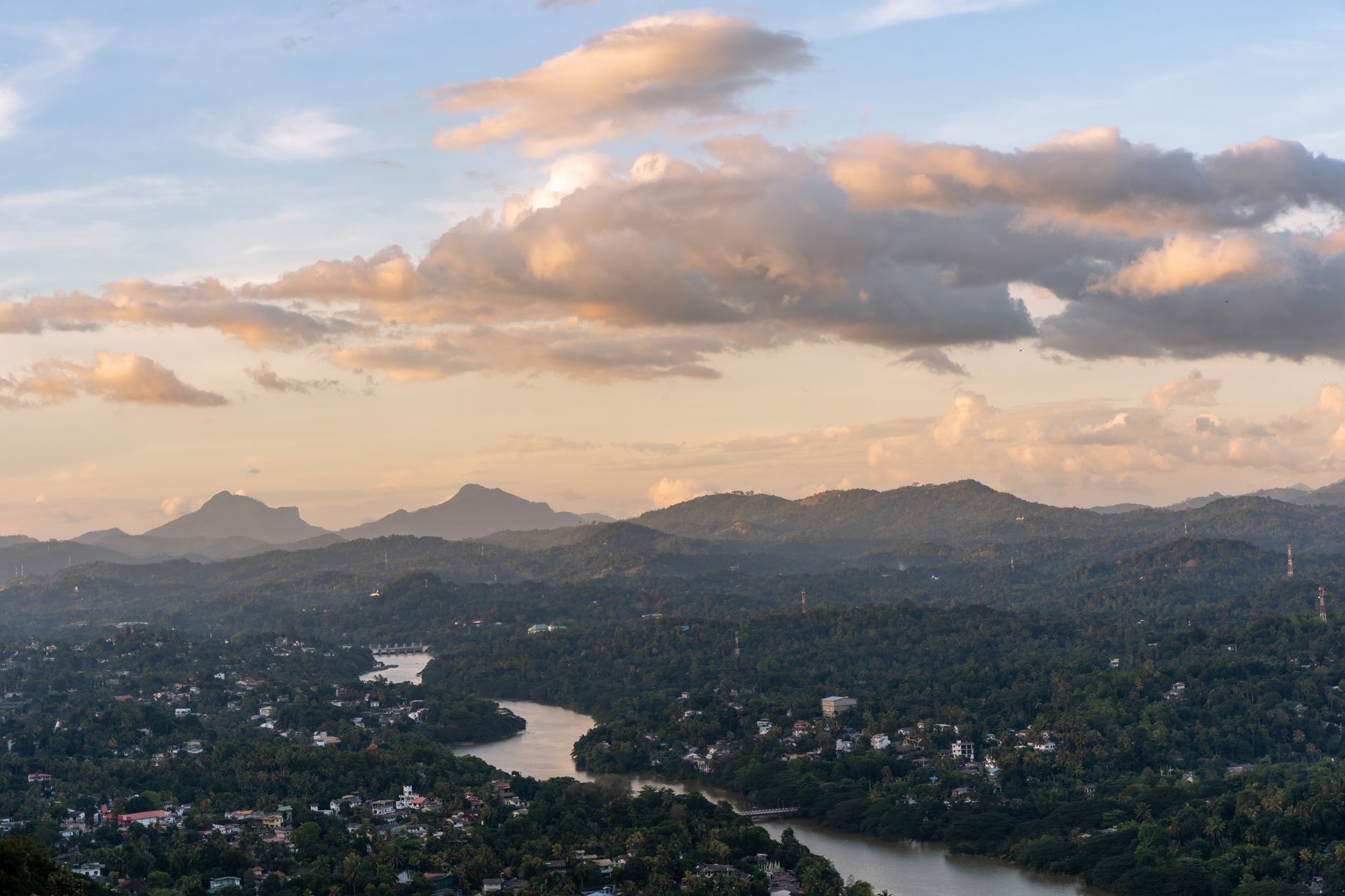
Kurunegala for Solo Travellers: Safety and Practical Tips

Kurunegala is straightforward and rewarding for solo travellers—a quiet, navigable hill-country town without the backpacker crowds of Kandy or Ella. The local population is welcoming, the tuk-tuk network is reliable and inexpensive, and accommodation ranges from budget guesthouses to mid-range villas. Safety is generally high; petty theft is rare, and locals actively help lost tourists. The real challenge isn't danger—it's managing limited English outside hotels and coordinating solo activities in a town built around family and group tourism.
Is Kurunegala actually safe for solo travel?

Yes. Kurunegala ranks low on crime indices for tourists. Petty theft from rooms is uncommon if you use reputable establishments; violent crime targeting foreigners is extremely rare. The town's size—around 50,000 people—means police presence is visible and locals know their neighbours. The main risks are standard travel ones: loose scooter-hire agreements, overcharging by unfamiliar tuk-tuk drivers, and dehydration on walks. Solo female travellers report feeling safe walking during daylight and early evening, though walking alone after 21:00 is best avoided.
How do you move around Kurunegala safely?

Tuk-tuks are the primary transport. Agree on a price before departure—typical journeys within town cost 150–300 LKR. Request your hotel to book a tuk-tuk rather than hailing one on the street; pre-arranged drivers are vetted and less likely to overcharge. For longer trips (to Sigiriya, Dambulla, or Kandy), use a registered taxi via your hotel or apps like PickMe (Sri Lanka's Uber equivalent). InterCity buses connect Kurunegala to main towns, but route planning requires Sinhala language skills or hotel assistance. Avoid travelling alone on buses after sunset.
Related: Beach Huts in Arugam Bay: Where to Stay by the Shore
Related: 3-Star Hotels in Nuwara Eliya: Best Value Stays in the Hill Country
Related: Puttalam with Family: What Works and What to Skip
Walking within central Kurunegala is safe and practical. The market area, temple precinct, and lake walk are navigable during daylight. Always carry a charged phone, a paper map from your guesthouse, and communicate your plans to your accommodation staff.
Which neighbourhoods are best for solo travellers?
Stay near the central lake or the upper town cluster where Rivendell Twisted Tree, a highly-rated 4-star villa, offers direct access to walking routes and social common spaces—useful for solo guests who want optional interaction. The lake foreshore is peaceful and walkable, with tea shops and small restaurants popular with locals. Avoid isolated properties on the town's outskirts unless you hire transport; solo travellers benefit from proximity to people and services.
Accommodation for solo travellers
Mid-range villas and guesthouses are ideal for solo travel. Rivendell Twisted Tree (rated 9.8/10) is Kurunegala's most reliable choice—friendly staff, reliable WiFi, good breakfast, and communal areas where you'll meet other travellers. Amagla Deduru Oya Estate, a 4-star property, offers a rural setting with support for activity booking.
Budget options like The Oasis By Lucky and White House family stay are cheaper but offer minimal staffing and fewer social opportunities. Choose based on whether you want daily hotel support or prefer independence.
Booking safety: Use Booking.com, Agoda, or direct hotel websites. Read solo-traveller reviews specifically. Confirm cancellation policies and room policies (ensuite vs. shared bathroom) before booking. Many budget places don't offer guaranteed single rooms; clarify this via email.
Language and communication
English fluency drops sharply outside hotels. Learn five Sinhala phrases: "Ayubowan" (hello), "Shukriya" (thank you), "Bilingual?" (does anyone speak English?), "How much?" (rates vary), and "No, thank you." Download Google Translate offline mode; it's invaluable for tuk-tuk negotiations and restaurant ordering.
Your hotel staff are your lifeline. Build a relationship on arrival—ask them to write down tuk-tuk driver phone numbers, restaurant names in Sinhala, and directions to places you plan to visit. They'll often call ahead to shops and restaurants to smooth your way.
Daily logistics and practical needs
Cash and cards: Kurunegala has ATMs (mostly around the central market and bus station). Withdraw cash daily—not all small shops or tuk-tuk drivers accept cards, and some ATMs are unreliable. Keep 1,000–3,000 LKR in small notes for tuk-tuks and tea shops.
Food and water: Stay hydrated—Kurunegala's elevation (610m) and dry season heat combine intensely. Drink bottled or hotel-provided water; street water is risky for solo travellers without local immunity. Small restaurants near the market serve excellent rice and curry (300–600 LKR). Fruit juice stalls are everywhere; fruit is safe if you see it cut fresh.
Health and pharmacies: A pharmacy operates near the central market. For minor ailments (stomach upset, headache, sun exposure), your hotel can direct you or contact a local doctor. Travel insurance is essential, though Kurunegala's hospital is basic.
Mobile connectivity: Airtel and Mobitel SIM cards are sold at the bus station and market shops. A local SIM with 2GB data costs around 500 LKR and provides reliable coverage. Purchase from official booths to avoid counterfeit cards.
What to do as a solo traveller
Kurunegala's attractions suit independent travellers:
- Kurunegala Lake walk: A 3.5km circuit at sunrise or late afternoon. Start at 06:00 to avoid crowds and heat; bring water and sun cream.
- Alutnuwara Viharaya temple: An active Buddhist monastery with respectful foreign visitors welcome. Go with a guide (your hotel can arrange) to understand rituals and history.
- Day trips: Arrange through your hotel to Sigiriya (UNESCO rock fortress, 1.5 hours), Dambulla Cave Temple (45 minutes), or Anuradhapura (ancient capital, 2 hours). Group tours fill quickly; solo travellers often join existing groups at hotels.
- Tea estate visits: The surrounding hills produce tea. Your hotel can arrange a half-day tea-estate walk with a farmer.
Safety tips specific to solo female travellers
Female solo travellers report feeling safe in Kurunegala, but social norms differ. Wear modest clothing (shoulders and knees covered) in public; this gains respect and reduces unwanted attention. Loose cotton shirts and knee-length trousers are ideal for climate and custom. Avoid walking alone very late (after 21:00). Use tuk-tuks for night journeys. Men may stare or ask personal questions; this is curiosity, not threat, but polite deflection is appropriate ("I prefer not to say").
Timing and seasons
Visit between December and April (dry season) when walking is pleasant and roads are passable. Avoid May–September (monsoon), when daily rain interrupts activity plans and landslides occasionally block roads. Kurunegala is quietest May–June and September–October; December–January sees more tourist traffic but remains calm compared to coastal resorts.
FAQ
Q: Can I hire a scooter solo in Kurunegala? A: Technically yes, but not recommended for solo travellers unfamiliar with Sri Lankan road culture. Kurunegala's roads are narrow and hilly; traffic rules are informal. Tuk-tuks are cheaper, safer, and let you rest instead of concentrating on driving.
Q: Is it common to meet other solo travellers in Kurunegala? A: Yes, especially in mid-range guesthouses like Rivendell Twisted Tree, which has communal dining. However, Kurunegala isn't a backpacker hub like Ella; don't expect social routines. Travellers here tend to be quieter, older, and planning independent activities.
Q: What's the cost of a solo trip to Kurunegala per day? A: Budget 3,000–5,000 LKR daily (accommodation 1,500–2,500 LKR, food 1,000–1,500 LKR, activities 500–1,000 LKR). Mid-range solo travel costs 6,000–8,000 LKR per day.
Q: Are there ATMs, and should I carry cash? A: Yes, ATMs exist in central Kurunegala. Carry 5,000–10,000 LKR in cash daily; not all places accept cards, and some ATMs malfunction. Arrive with a mix of cash and cards.
Q: Can I visit Kurunegala as a day trip from Kandy? A: Yes, but it's 1.5–2 hours each way via bus or tuk-tuk. A day trip allows 4–5 hours in town—enough for a lake walk and one meal, but rushed. One night maximises the experience.